
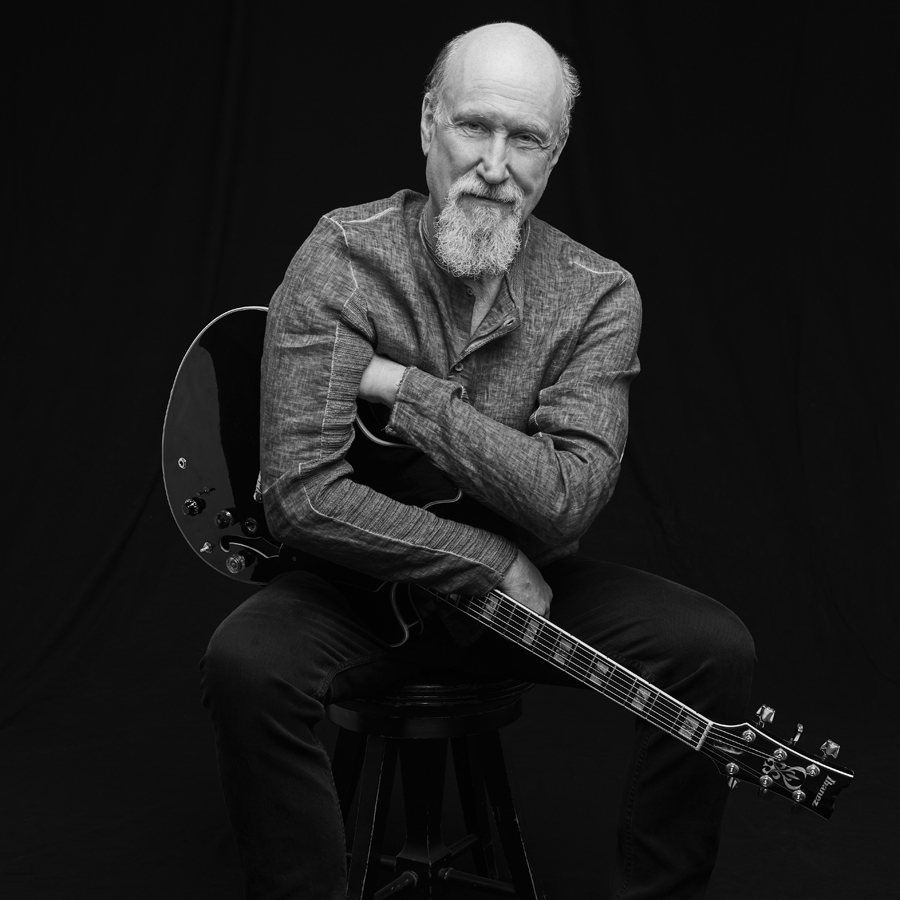
John Scofield is a name that resonates powerfully within the jazz guitar community, celebrated for his innovative style and profound musical contributions. Over his extensive career, Scofield has pushed the boundaries of jazz, blending various genres and creating a sound that is unmistakably his own. This article delves into his beginnings, influences, iconic albums, signature techniques, and the legacy he continues to build.
How He Began
Born on December 26, 1951, in Dayton, Ohio, John Scofield was introduced to music at a young age. He initially played the trumpet in high school but soon gravitated towards the guitar. His passion for the instrument flourished during his teenage years, and he developed a distinct style that combined elements of jazz, blues, and rock. Scofield’s early influences included jazz legends such as Wes Montgomery and Grant Green, whose playing inspired him to explore improvisation and harmonic complexity.
In the early 1970s, Scofield attended the Berklee College of Music in Boston, where he honed his skills and immersed himself in the local music scene. This formative period allowed him to collaborate with a diverse range of musicians and solidify his unique voice on the guitar.
Who Were His Influences?
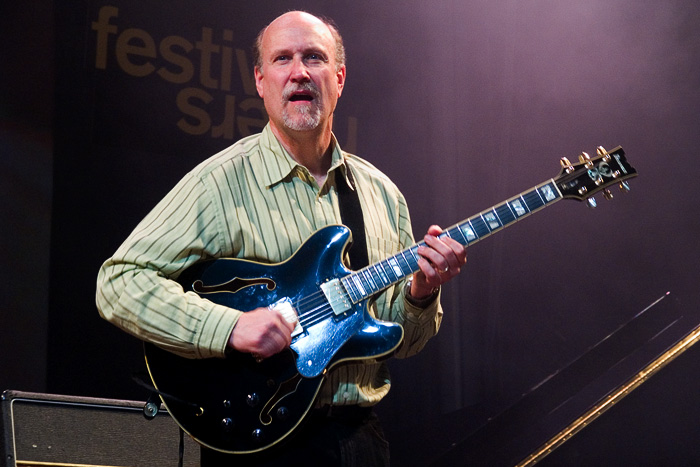
John Scofield’s influences are varied and span multiple genres, reflecting his eclectic musical palette. Apart from the aforementioned Wes Montgomery and Grant Green, he was also heavily influenced by the blues, particularly the work of B.B. King and Albert King. The emotional depth and expressiveness of blues music permeate Scofield’s playing.
Additionally, Scofield draws inspiration from rock and funk guitarists like Jimi Hendrix and Prince, whose innovative approaches to rhythm and tone have informed his style. His collaborations with jazz icons such as Miles Davis and Herbie Hancock have further shaped his sound, exposing him to new harmonic ideas and improvisational techniques.

Iconic Albums and Tracks
Scofield’s discography is extensive, featuring numerous iconic albums that highlight his artistry. One of his most notable works is “A Go Go” (1998), a collaboration with the band Medeski Martin & Wood. The album showcases Scofield’s ability to merge jazz with funk and groove, resulting in a unique and engaging listening experience. Standout tracks like “Chank” and “A Go Go” are fan favorites that exemplify his innovative style.
Another significant release is “Still Warm” (1986), which features powerful tracks such as “The Way You Look Tonight” and “Kite Song.” This album emphasizes Scofield’s signature use of space and dynamics, showcasing his deep understanding of musical storytelling.
Scofield’s collaborations extend to albums like “Hand Jive” (1994) and “This Meets That” (2007), each reflecting his commitment to exploring new musical landscapes and pushing the boundaries of jazz guitar.
Type of Guitar and Amp That Modeled His Tone
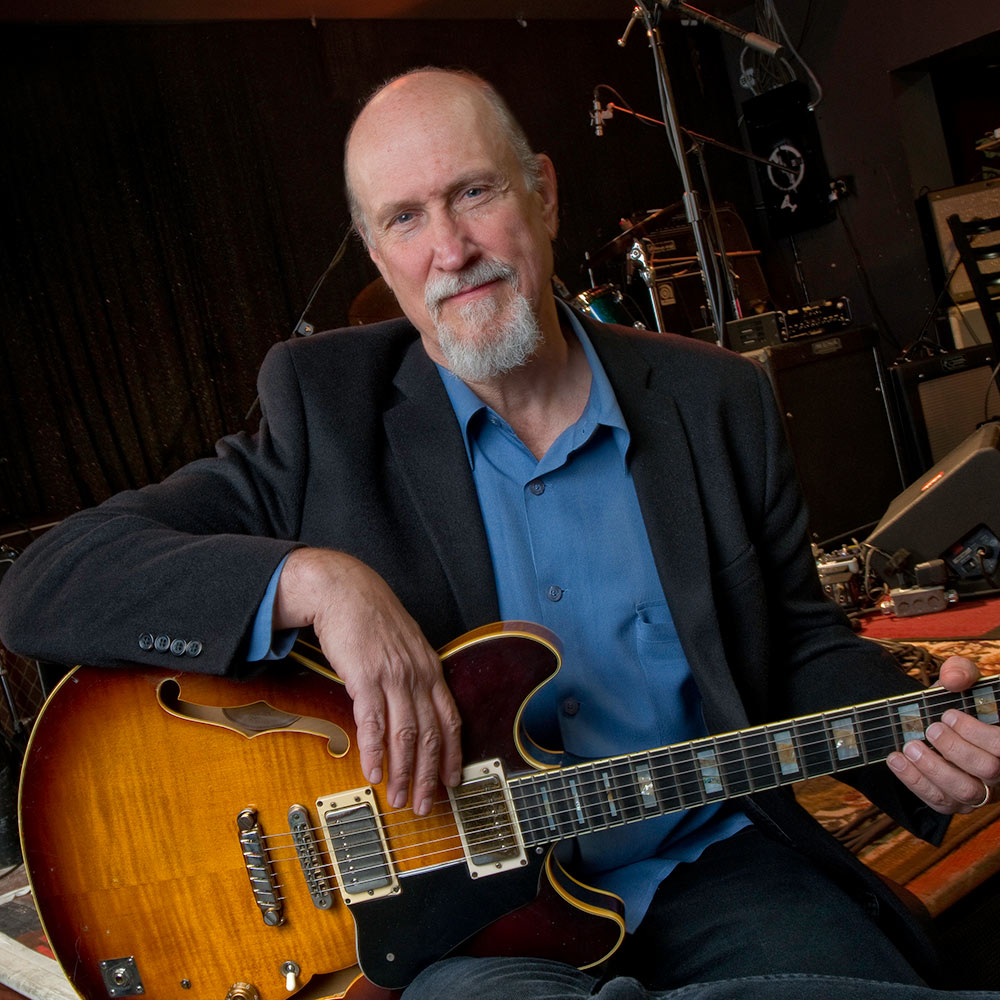
John Scofield is often associated with the Ibanez AS200, a hollow-body guitar known for its warm, rich tones and versatility. He has also been seen playing Fender Stratocasters, particularly during his fusion-oriented performances. The combination of these guitars allows him to achieve a dynamic range that complements his unique playing style.
In terms of amplification, Scofield typically uses a variety of amps, including the Fender Twin Reverb and the Mesa/Boogie Mark series. These amplifiers help him craft his signature sound, characterized by a smooth, expressive tone with a touch of grit.
Important Technique: Use of Space and Dynamics
One of the hallmarks of John Scofield’s playing is his masterful use of space and dynamics. He has a keen ability to create tension and release within his solos, using pauses and subtle shifts in volume to evoke emotion. This technique allows him to build intricate narratives through his guitar playing, capturing listeners’ attention and drawing them into the musical journey.
Scofield often employs unconventional scales and modes, experimenting with chromaticism and polyrhythms. His willingness to explore these elements has made him a trailblazer in jazz guitar, inspiring countless musicians to think outside the box.
What Is His Legacy?
John Scofield’s legacy is one of innovation and exploration. He has played a pivotal role in shaping contemporary jazz guitar, influencing a generation of musicians who seek to blend genres and push artistic boundaries. His unique voice on the guitar, marked by a deep understanding of harmony and rhythm, continues to inspire players across various styles.
Scofield’s collaborations with legendary musicians and his contributions to numerous iconic recordings have solidified his position as a key figure in the world of jazz. His commitment to creativity and expression has paved the way for future generations to explore the possibilities of the guitar.
Conclusion
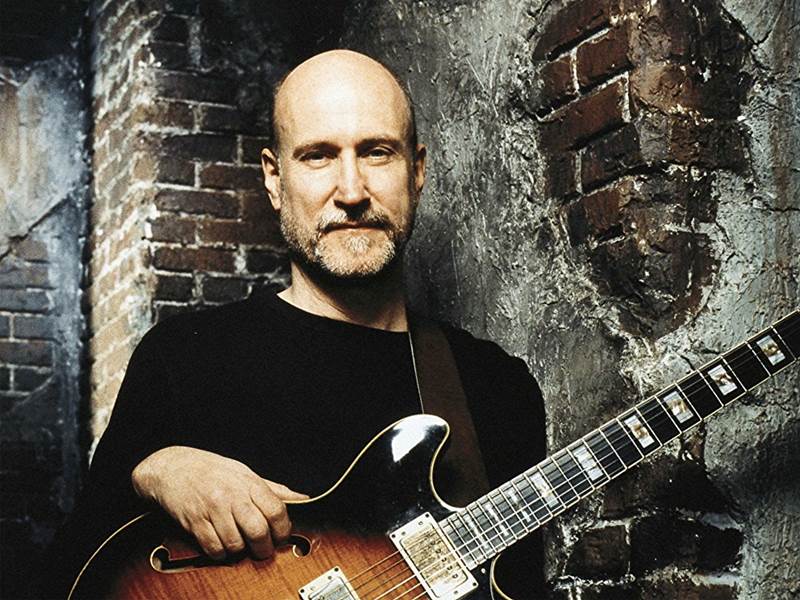
John Scofield is not just a guitarist; he is an innovator who has transformed the landscape of jazz guitar. His ability to blend diverse influences and create a signature sound has left a lasting impact on the genre. As we celebrate his contributions, it is clear that Scofield’s music will continue to inspire and resonate with musicians and audiences alike for years to come.
Bonus Track: 10 Lesser-Known Facts About John Scofield
- Scofield’s first guitar was a cheap Harmony model, which he played throughout high school.
- He initially studied trumpet before switching to guitar.
- He spent time in the U.S. Navy, where he played in a Navy band.
- Scofield was a member of the influential Gary Burton Quintet early in his career.
- He has collaborated with a wide range of artists, including Pat Metheny, Chick Corea, and Joe Lovano.
- His album “A Go Go” won a Grammy Award in 1999 for Best Contemporary Jazz Album.
- Scofield is known for his distinctive “scooped” sound, achieved through specific tone control settings.
- He has released over 40 albums as a leader and has been featured on many others.
- Scofield is also a respected educator, offering masterclasses and workshops around the world.
- He enjoys experimenting with different musical genres, including funk, rock, and blues, blending them seamlessly into his jazz playing.

 oscaronguitars.com
Leave a comment