
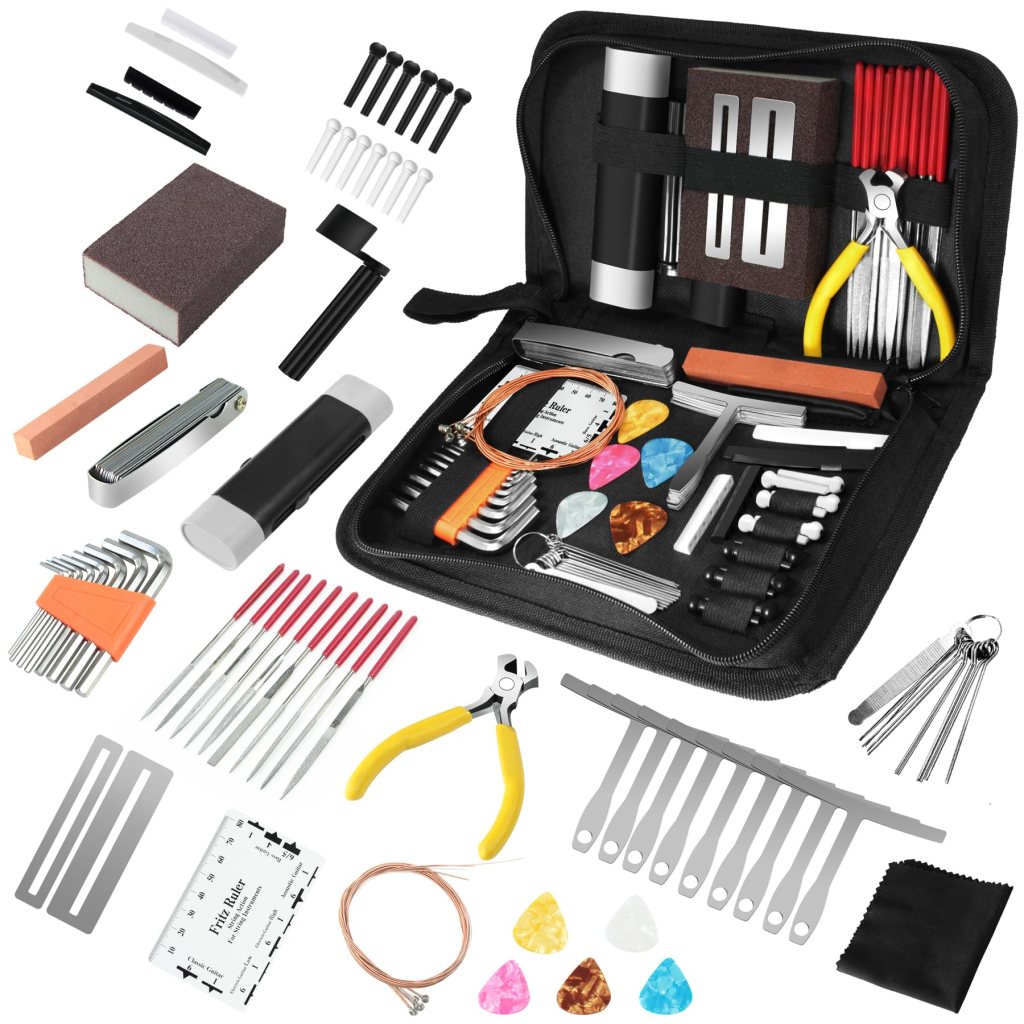
1. Regular Cleaning: Keeping Your Guitar Looking and Sounding Great
Cleaning your guitar is one of the simplest yet most important maintenance tasks. Regular cleaning helps preserve the finish, prevents buildup of grime, and keeps your guitar looking its best.
How to Clean Your Guitar:
- Wipe Down After Every Play: Use a soft, dry microfiber cloth to wipe down the body, neck, and strings after each playing session. This removes sweat, oils, and dirt that can accumulate on the surface.
- Polish the Body: Every few weeks (or more frequently if you play often), use a guitar-specific polish to clean the body. Apply the polish to a soft cloth and gently buff the surface, avoiding excessive pressure to prevent scratches.
- Clean the Fretboard: Over time, the fretboard can accumulate dirt and oils from your fingers. Use a slightly damp cloth to clean the fretboard, and for deeper cleaning, consider using a fretboard conditioner or lemon oil. Be sure to use products appropriate for your guitar’s wood type (e.g., rosewood, ebony, maple).
- Strings Maintenance: Clean your strings regularly with a string cleaner or a soft cloth. This helps remove oils and dirt, extending the life of the strings and maintaining their brightness.
Tip: Avoid using household cleaners or abrasive materials on your guitar, as they can damage the finish. Stick to products designed specifically for guitar maintenance.
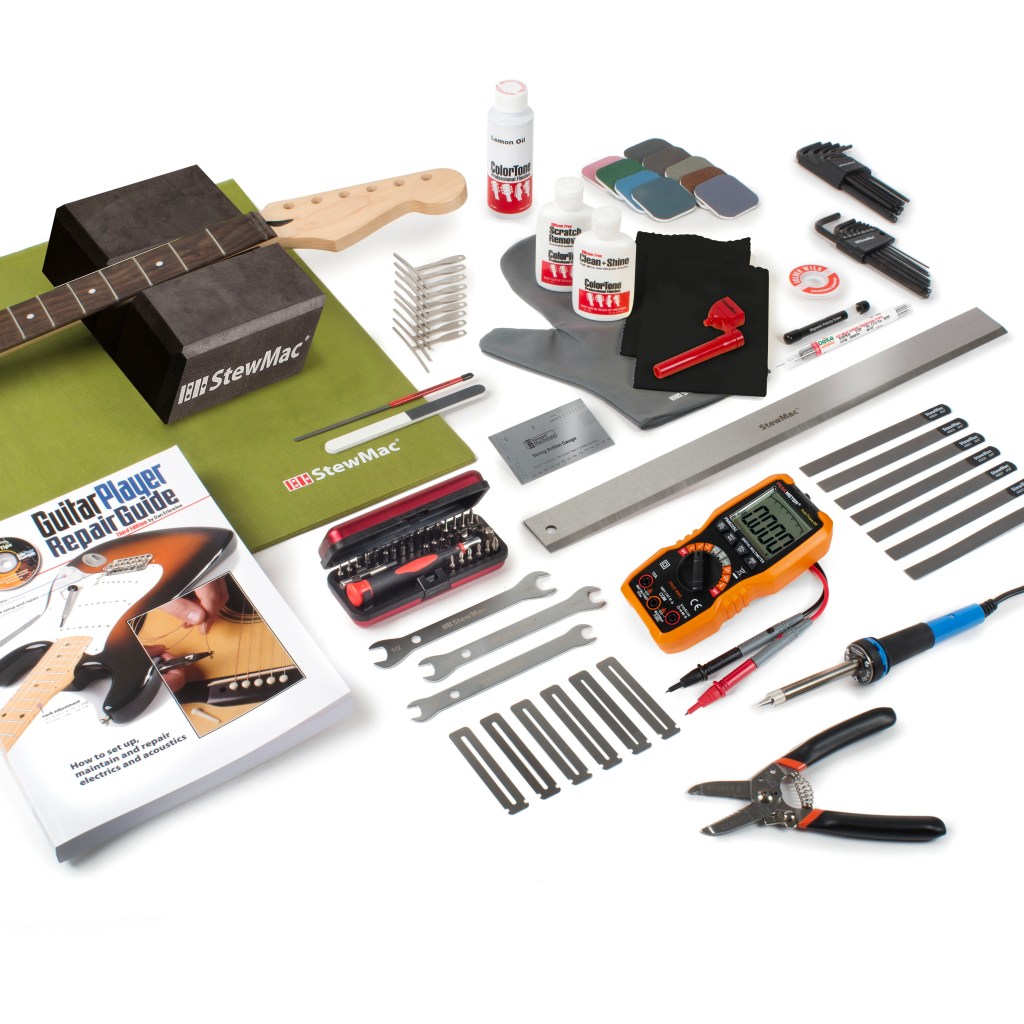
2. Proper Tuning: Keeping Your Guitar in Tune and Ready to Play
Keeping your guitar in tune is essential for consistent sound quality and playability. Proper tuning also helps prevent unnecessary strain on the neck and strings.
How to Tune Your Guitar:
- Use a Reliable Tuner: Whether you prefer a clip-on tuner, a pedal tuner, or a tuning app, using a reliable tuner is key to ensuring your guitar is perfectly in tune. Make tuning a habit before every practice session or performance.
- Tune Regularly: Even if you haven’t played your guitar in a while, it’s important to check and adjust the tuning. Changes in temperature and humidity can cause the strings to stretch or contract, affecting the tuning.
- Stretch New Strings: When you install new strings, gently stretch them by pulling them away from the fretboard while tuning. This helps stabilize the tuning more quickly and reduces the need for constant adjustments.
- Check Intonation: If your guitar sounds in tune when played open but out of tune higher up the neck, your intonation might need adjustment. This is typically a job for a professional, but it’s important to keep an eye on it as part of regular maintenance.
Tip: If you’re frequently adjusting your tuning or find that your guitar won’t stay in tune, it might be time to check the condition of the strings, tuners, or even the nut and bridge for any issues.
3. Storing Your Guitar: Protecting Your Instrument from Damage
Proper storage is crucial for preventing damage and ensuring your guitar’s longevity. Environmental factors like temperature, humidity, and physical impact can all take a toll on your instrument.
How to Store Your Guitar:
- Use a Case: When not in use, store your guitar in a hard case or a padded gig bag. This provides protection from dust, temperature changes, and accidental bumps or drops.
- Avoid Extreme Temperatures: Keep your guitar away from direct sunlight, radiators, or air conditioning vents. Extreme temperatures can cause the wood to expand or contract, leading to warping or cracking.
- Control Humidity: Guitars are sensitive to changes in humidity. Too much moisture can cause the wood to swell, while too little can lead to cracking. Aim to keep your guitar in an environment with a relative humidity level between 40-60%. Using a guitar humidifier or a dehumidifier, depending on your climate, can help maintain a stable environment.
- Hang It Safely: If you prefer to keep your guitar on display, use a wall hanger that’s securely mounted and designed to support the weight of the guitar. Make sure the hanger has protective padding to prevent scratches on the headstock.
- Loosen the Strings: If you’re storing your guitar for an extended period, consider loosening the strings slightly. This reduces tension on the neck and bridge, which can help prevent long-term damage.
Tip: When transporting your guitar, always use a case and avoid leaving it in a hot or cold car for extended periods. Temperature fluctuations can cause serious damage to the instrument.

4. Regular Inspections: Catching Issues Before They Become Problems
Performing regular inspections of your guitar can help you catch potential issues before they become serious problems. This can save you time and money in the long run.
What to Inspect:
- Check the Neck: Look down the neck from the headstock to check for any warping or twisting. The neck should be straight with a slight relief (a gentle curve). If you notice any significant issues, it might be time for a truss rod adjustment, which is best handled by a professional.
- Examine the Frets: Inspect the frets for wear or unevenness. Worn frets can cause buzzing and intonation problems, and may require leveling or replacement.
- Test the Electronics: If you play an electric guitar, regularly test the pickups, volume and tone controls, and switches to ensure they’re functioning properly. Any crackling, buzzing, or loss of signal might indicate a need for cleaning or repair.
- Inspect the Bridge and Tuners: Check that the bridge is secure and the tuners are functioning smoothly. Loose or faulty hardware can affect tuning stability and overall playability.
Tip: If you’re unsure about any issues you find during your inspection, it’s always a good idea to consult a professional luthier or guitar technician for advice or repairs.
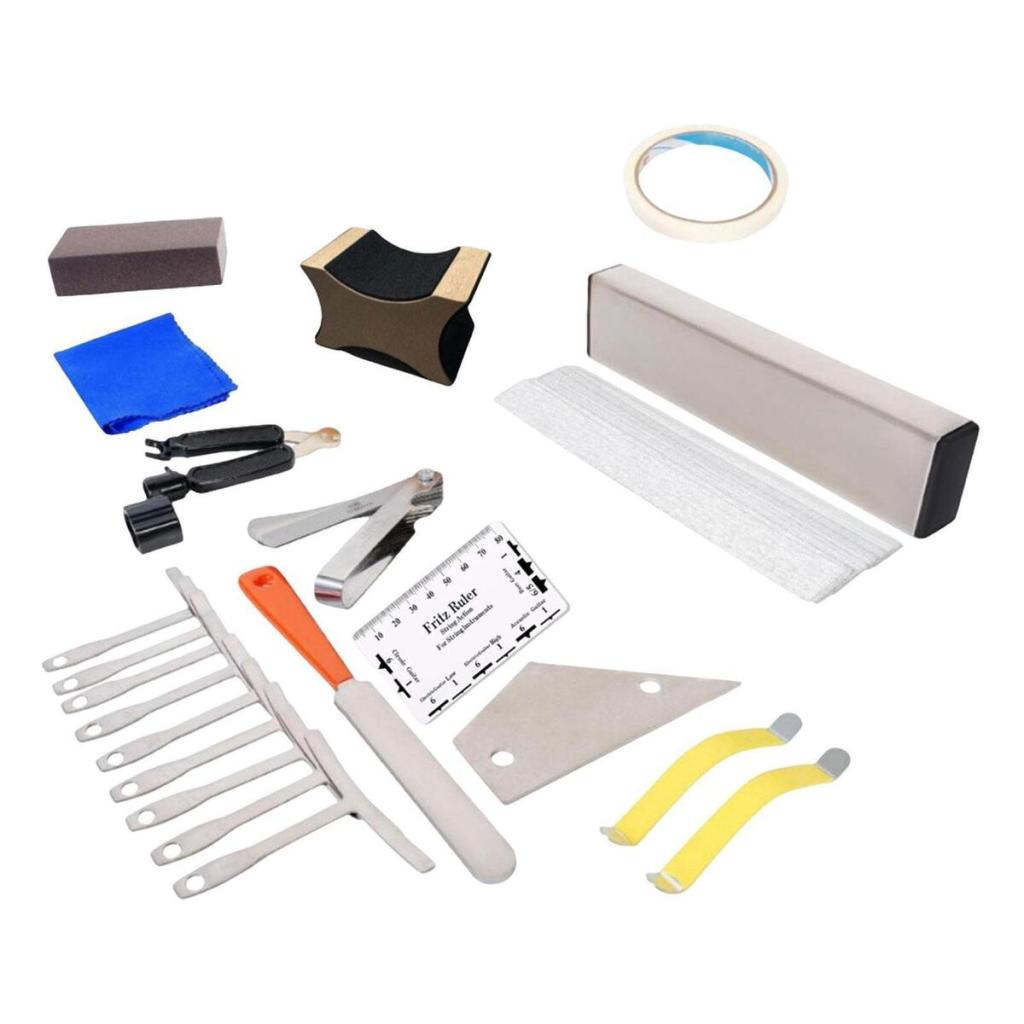
5. Changing Strings: Keeping Your Guitar Sounding Fresh
Regularly changing your strings is one of the easiest ways to maintain your guitar’s sound quality. Old strings can sound dull, feel rough, and are more prone to breaking.
How Often to Change Strings:
- Frequent Players: If you play every day, consider changing your strings every 4-6 weeks.
- Occasional Players: If you play a few times a week, changing strings every 2-3 months is usually sufficient.
- Infrequent Players: If you rarely play, you might only need to change strings a couple of times a year, but always check for signs of corrosion or wear.
How to Change Strings:
- Remove the Old Strings: Loosen the strings and remove them one at a time. Be careful not to scratch the guitar’s finish with the loose ends.
- Clean the Fretboard: While the strings are off, take the opportunity to clean and condition the fretboard.
- Install the New Strings: Start with the low E string and work your way to the high E. Thread each string through the bridge, wrap it around the tuning post, and wind it evenly while tuning to pitch.
- Stretch and Tune: After installing the new strings, gently stretch them and tune the guitar. Repeat the tuning process a few times as the strings settle in.
Tip: Always keep an extra set of strings on hand in case you need to replace a broken string quickly.
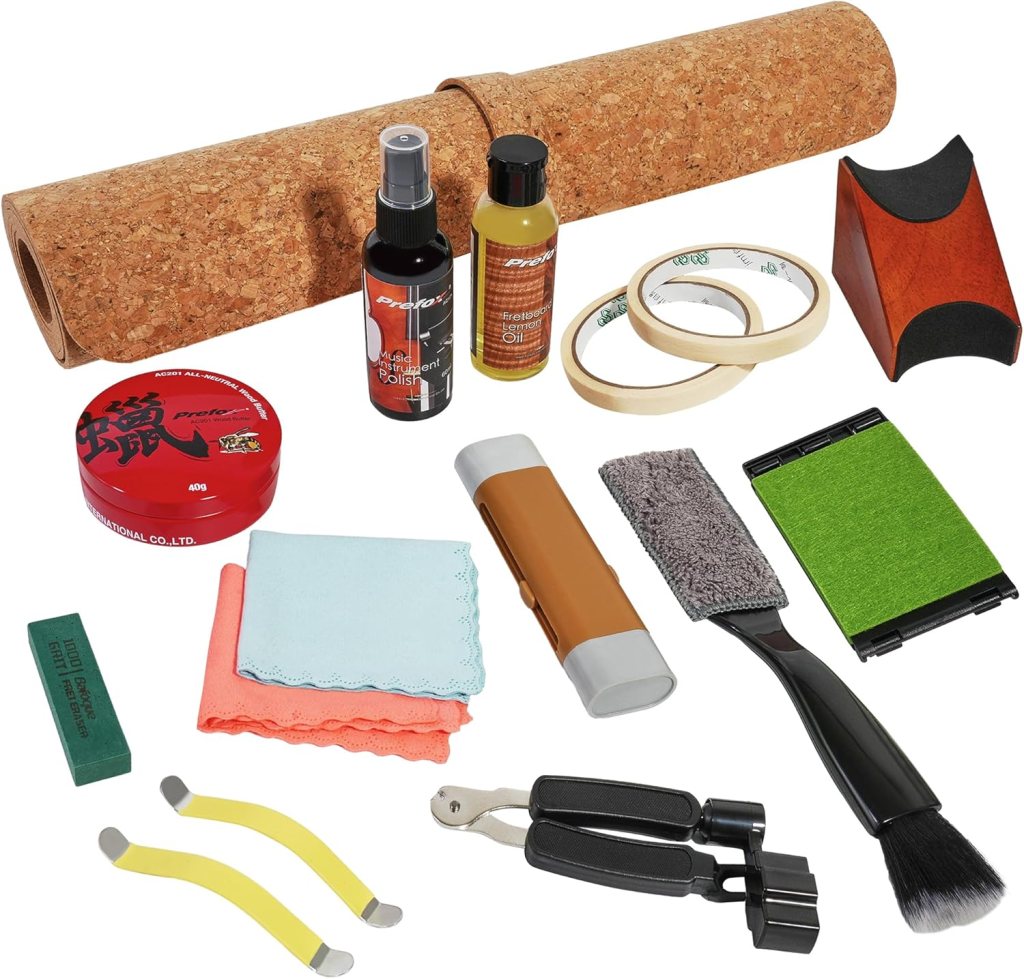
Conclusion: Keep Your Guitar in Top Shape for Years to Come
Taking care of your guitar is essential for maintaining its playability, sound quality, and longevity. By regularly cleaning, tuning, storing, and inspecting your guitar, you can ensure it stays in excellent condition for years to come. And don’t forget to change those strings regularly to keep your sound fresh and vibrant.
 oscaronguitars.com
Leave a comment