
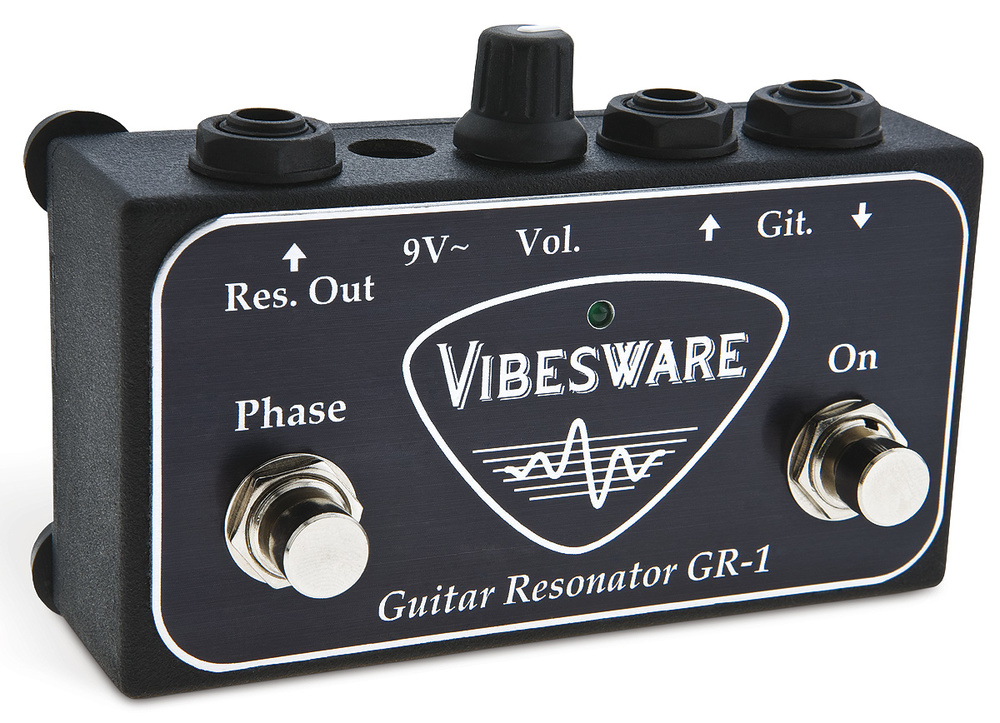
What Is a Rezo Effect?
The Rezo effect, short for “resonator” or “resonance” effect, is a type of filter effect that emphasizes specific frequencies in your guitar signal, creating a resonant peak. This resonance adds a distinctive, often sharp and pronounced tone that can make your guitar sound more vibrant, metallic, or even synth-like. Think of it as a way to highlight certain frequencies, making them stand out more prominently in your overall sound.
The Rezo effect can be subtle or dramatic, depending on how it’s dialed in. It’s commonly used in electronic music and can also be a great tool for guitarists looking to experiment with new, cutting-edge sounds.
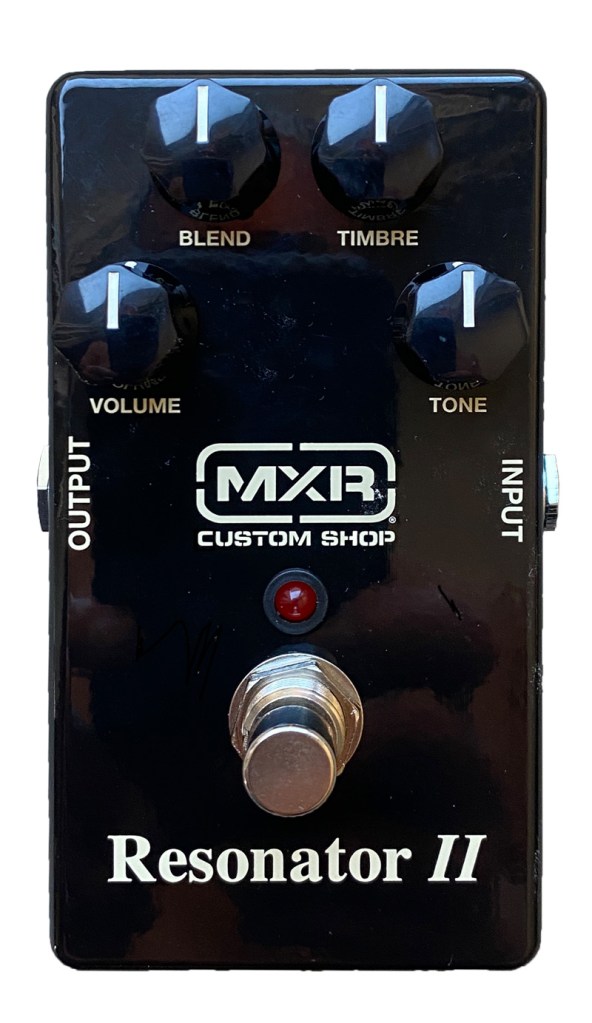
How Does the Rezo Effect Work?
Here’s a breakdown of how the Rezo effect operates:
- Resonant Filtering: At its core, the Rezo effect uses a filter to boost specific frequencies while cutting others. The frequencies that are boosted create a resonant peak, which gives the effect its characteristic sound.
- Adjustable Parameters: Most Rezo effects allow you to adjust parameters such as the resonance (how pronounced the effect is), the cutoff frequency (which determines where the resonance occurs), and sometimes the Q factor (which controls the bandwidth of the resonance). By tweaking these settings, you can tailor the effect to suit your style.
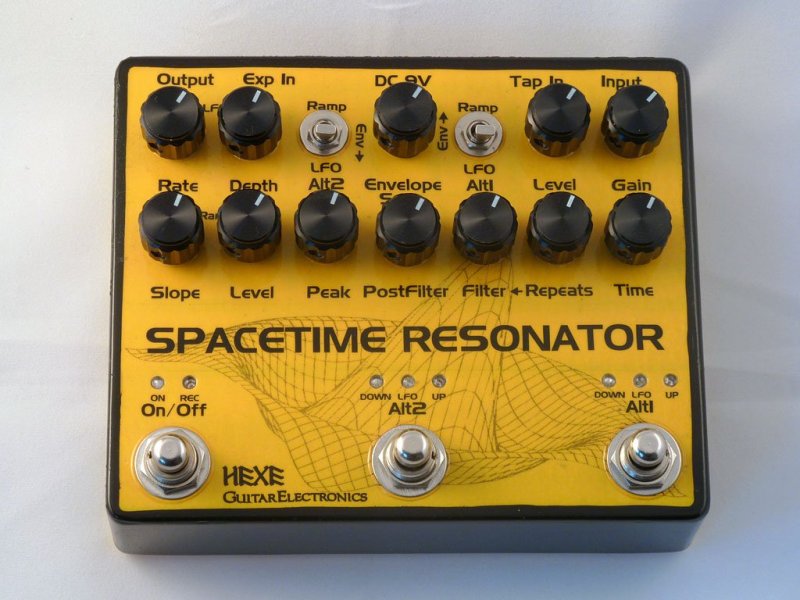
- Modulation Options: Some Rezo effects also offer modulation options, allowing the resonant frequency to move or sweep automatically. This can create dynamic, evolving sounds that add movement and interest to your playing.
- Application in Signal Chain: The Rezo effect can be placed before or after other effects in your signal chain, such as distortion, delay, or reverb, to create different tonal results. Placing it before distortion can make the resonance more aggressive, while placing it after reverb can add a haunting, ethereal quality to the reverb tails.
Why Use a Rezo Effect?
The Rezo effect is not as commonly used as other effects, but it offers some unique benefits that can really make your guitar stand out. Here’s why you might want to experiment with it:
- Unique Tonal Character: The Rezo effect can give your guitar a distinctive, almost vocal-like quality. It emphasizes certain frequencies, creating a tone that’s sharp, cutting, and full of character.
- Creative Sound Design: If you’re into sound design or experimental music, the Rezo effect is a great tool for crafting unique textures and sounds that push the boundaries of traditional guitar tones.
- Versatility: The Rezo effect can be subtle or extreme, making it versatile enough to be used in a wide range of musical styles, from rock and metal to electronic and ambient music.
- Layering and Texturing: When combined with other effects, the Rezo effect can add depth and complexity to your sound, making it richer and more layered. It’s perfect for creating atmospheric soundscapes or adding a new dimension to your riffs and solos.
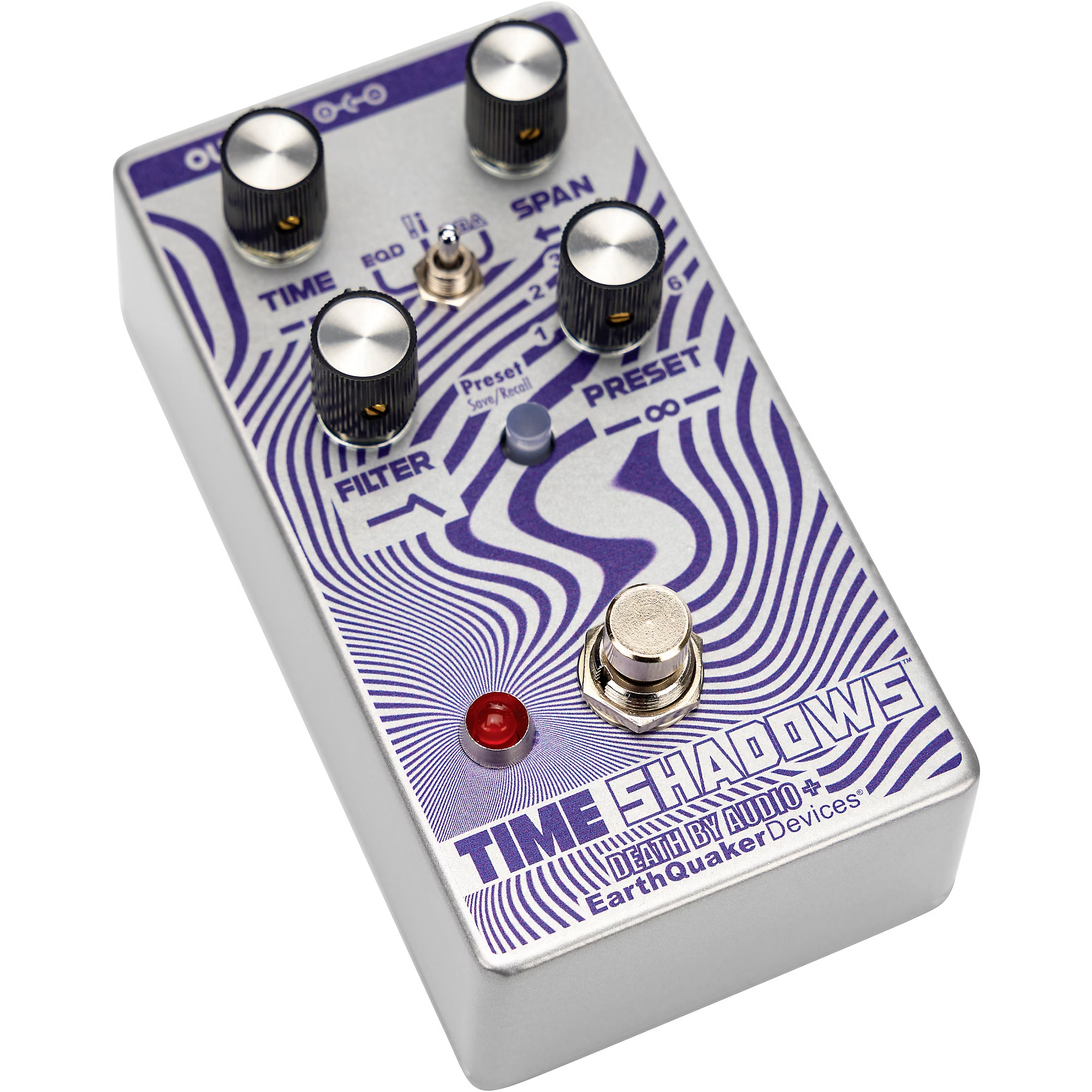
Famous Uses of the Rezo Effect
While the Rezo effect isn’t as widely known as other effects, it has found its way into the rigs of adventurous guitarists and sound designers. Here are a few ways it has been used:
- Experimental Music: The Rezo effect is often used in experimental and electronic music to create sounds that are out of the ordinary. It’s great for adding a futuristic or otherworldly quality to your guitar tone.
- Ambient Soundscapes: In ambient music, the Rezo effect can be used to create evolving, resonant textures that add depth and interest to a soundscape. When paired with reverb and delay, it can produce haunting, ethereal tones that linger in the mix.
- Aggressive Leads: In heavier genres, the Rezo effect can be used to make lead guitar parts more aggressive and cutting. By emphasizing certain frequencies, it helps the guitar stand out, even in a dense mix.
How to Use the Rezo Effect Effectively
To get the most out of the Rezo effect, here are some tips and tricks:
- Start with Subtle Settings: If you’re new to the Rezo effect, start with subtle resonance and gradually increase it. This will help you understand how the effect interacts with your guitar’s natural tone.
- Experiment with Cutoff Frequency: The cutoff frequency determines where the resonance occurs, so play around with this setting to find the sweet spot that complements your playing style. Lower frequencies can add warmth, while higher frequencies can make your tone more piercing.
- Combine with Modulation: Adding modulation to the Rezo effect can create dynamic, evolving sounds. Try pairing it with an LFO (Low-Frequency Oscillator) to sweep the resonant frequency for a more fluid, changing effect.
- Layer with Other Effects: The Rezo effect can work beautifully with other effects like distortion, delay, or chorus. Experiment with different signal chain placements to see how it interacts with your other pedals.
- Use in Context: Consider the musical context when using the Rezo effect. In a dense mix, it can help your guitar cut through, but in a sparser arrangement, it can add just the right amount of texture without overwhelming the other instruments.
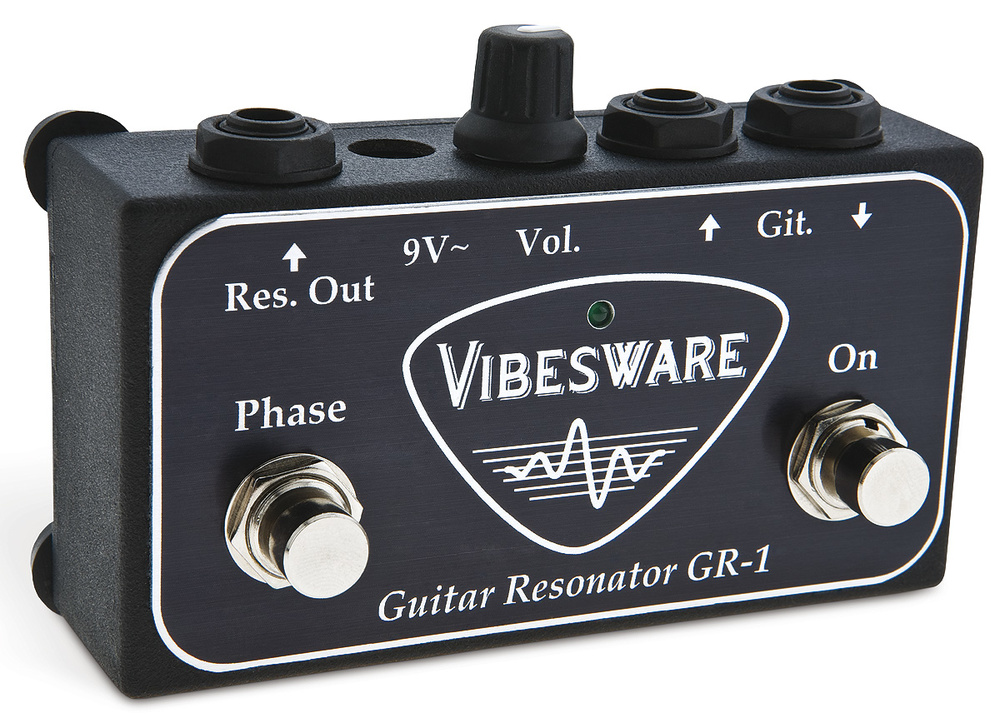
Choosing the Right Rezo Effect for Your Rig
When looking for a Rezo effect, consider the following factors:
- Control Options: Look for a pedal or plugin that offers comprehensive control over resonance, cutoff frequency, and modulation. The more control you have, the more you can tailor the effect to your liking.
- Sound Quality: As with any effect, sound quality is key. Listen to demos and read reviews to find a Rezo effect that delivers the tonal characteristics you’re after.
- Ease of Use: Some Rezo effects can be complex, so find one that fits your comfort level. If you’re new to this type of effect, a simpler pedal with fewer controls might be a good starting point.
- Integration with Your Setup: Make sure the Rezo effect works well with the rest of your pedalboard or recording setup. Consider how it will interact with other effects and whether it complements your overall sound.
Conclusion: Explore New Sonic Territories with the Rezo Effect
The Rezo effect is a unique and powerful tool that can add a whole new dimension to your guitar playing. Whether you’re looking to create sharp, cutting leads, rich atmospheric textures, or just something completely different, this effect offers endless possibilities.
 oscaronguitars.com
Leave a comment