
1. What Are Tonewoods?
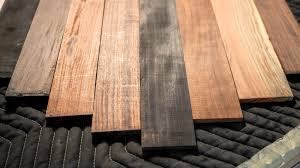
Tonewoods are the specific types of wood used in the construction of guitars and other stringed instruments. These woods are chosen for their acoustic properties, which contribute to the instrument’s overall tone, resonance, and sustain. Different parts of the guitar, such as the body, neck, and fretboard, may use different types of tonewoods to achieve a particular sound and feel.
Why Tonewoods Matter:
- Resonance: The wood used in the body of the guitar vibrates as the strings are played, influencing the sound waves and contributing to the instrument’s resonance and sustain.
- Tone Color: Different woods emphasize different frequencies, affecting the balance of bass, midrange, and treble in the guitar’s sound.
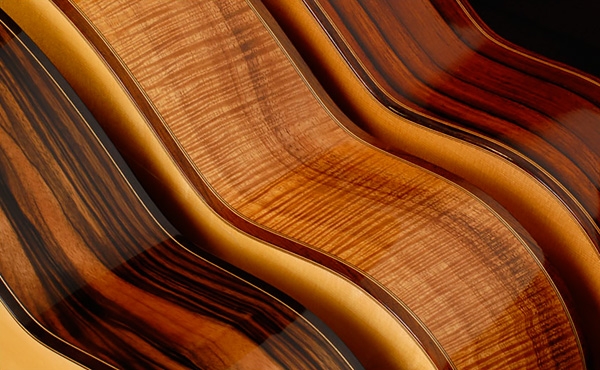
- Aesthetics: Beyond sound, tonewoods also contribute to the guitar’s appearance, with different grains, colors, and finishes adding to the instrument’s visual appeal.

2. Common Tonewoods and Their Impact on Sound
Let’s take a closer look at some of the most common tonewoods used in guitar construction and how they shape the sound of the instrument.
Mahogany
Overview:
- Mahogany is a dense, hardwood that is often used for guitar bodies, necks, and sometimes fretboards. It is known for its warm, rich tone and strong midrange presence.
Sound Characteristics:
- Warmth: Mahogany produces a warm, full-bodied sound with a strong emphasis on the midrange frequencies. This makes it ideal for players who want a guitar with a thick, rounded tone.
- Sustain: Due to its density, mahogany offers excellent sustain, allowing notes to ring out longer and with more clarity.
- Balanced Tone: While it emphasizes mids, mahogany still provides a balanced sound with clear highs and controlled lows.
Common Uses:
- Mahogany is commonly used in acoustic guitar bodies (especially dreadnoughts and jumbos) and electric guitar bodies and necks. It’s often paired with a spruce top on acoustics or with a maple cap on electrics for added brightness.
Rosewood
Overview:
- Rosewood is a highly regarded tonewood, especially for fretboards and acoustic guitar backs and sides. It is known for its rich, complex overtones and smooth feel.
Sound Characteristics:
- Rich Overtones: Rosewood is prized for its rich, resonant overtones, which add depth and complexity to the guitar’s sound.
- Sonic Warmth: It offers a warm, smooth sound with a slightly scooped midrange, which means pronounced lows and highs with less emphasis on mids.
- Sustain: Like mahogany, rosewood contributes to excellent sustain and a strong, clear tone.
Common Uses:
- Rosewood is often used for acoustic guitar fretboards, backs, and sides, as well as on some electric guitar fretboards. It’s also popular for its aesthetic appeal, with a dark, luxurious grain.
Maple
Overview:
- Maple is a dense, hard tonewood that is often used for guitar necks, fretboards, and tops. It is known for its bright, articulate sound and stunning grain patterns.
Sound Characteristics:
- Brightness: Maple produces a bright, crisp tone with a strong emphasis on the upper midrange and treble frequencies. This makes it ideal for players who want clarity and definition in their sound.
- Quick Response: Maple’s density allows for a quick, sharp attack, making it perfect for fast, articulate playing styles.
- Sustain: While it’s bright, maple also offers good sustain, though it’s often balanced with other tonewoods to avoid being too harsh.
Common Uses:
- Maple is commonly used for electric guitar necks and fretboards, as well as for acoustic guitar tops and backs. It’s also popular for laminate tops on electric guitars, where it adds brightness and visual appeal.
Spruce
Overview:
- Spruce is one of the most popular woods for acoustic guitar tops. It’s known for its light weight, strength, and excellent tonal qualities, making it a go-to choice for many guitar builders.
Sound Characteristics:
- Versatility: Spruce is incredibly versatile, producing a well-balanced tone that works well for a wide range of musical styles.
- Brightness and Clarity: It offers bright, clear highs and a strong, articulate response, making it ideal for both strumming and fingerpicking.
- Dynamic Range: Spruce responds well to a variety of playing dynamics, from soft fingerpicking to aggressive strumming, maintaining clarity and projection.
Common Uses:
- Spruce is most commonly used for the tops of acoustic guitars. Sitka spruce, in particular, is highly regarded for its strength and tonal properties.
Cedar
Overview:
- Cedar is a softer wood than spruce and is often used for the tops of classical and fingerstyle acoustic guitars. It’s known for its warm, responsive tone and smooth feel.
Sound Characteristics:
- Warmth: Cedar produces a warm, rich tone with a pronounced midrange, making it ideal for fingerstyle playing and classical music.
- Responsiveness: Cedar is highly responsive to a light touch, offering great dynamic range even at lower volumes.
- Less Projection: Compared to spruce, cedar has less overall projection and brightness, but it excels in intimate, expressive playing settings.
Common Uses:
- Cedar is frequently used for the tops of classical guitars and some steel-string acoustics, particularly those designed for fingerstyle playing.
Ebony
Overview:
- Ebony is a dense, dark wood that is commonly used for guitar fretboards. It’s known for its smooth feel and bright, articulate tone.
Sound Characteristics:
- Bright and Clear: Ebony produces a bright, clear tone with a strong attack, making it ideal for players who want precision and clarity in their sound.
- Smooth Playability: The smooth, dense surface of ebony fretboards makes them highly responsive to fast, technical playing.
- Sustain: Ebony also contributes to good sustain, particularly when used in fretboards.
Common Uses:
- Ebony is most commonly used for fretboards on high-end acoustic and electric guitars, as well as on classical guitars.
3. How Tonewoods Affect Different Parts of the Guitar
Different parts of the guitar—body, neck, fretboard—play unique roles in shaping the instrument’s sound. Here’s how tonewoods affect each part:
Body:
- The body wood has the most significant impact on the guitar’s overall tone. Woods like mahogany and rosewood emphasize warmth and richness, while maple adds brightness and clarity. The body wood also influences resonance and sustain.
Neck:
- The neck wood contributes to the guitar’s sustain and playability. Maple necks offer brightness and a smooth feel, while mahogany necks provide warmth and a strong midrange.
Fretboard:
- The fretboard wood affects the feel and response of the guitar. Rosewood and ebony are popular choices for their smooth playability and tonal qualities, with rosewood offering warmth and ebony providing brightness and precision.
4. Matching Tonewoods to Your Playing Style
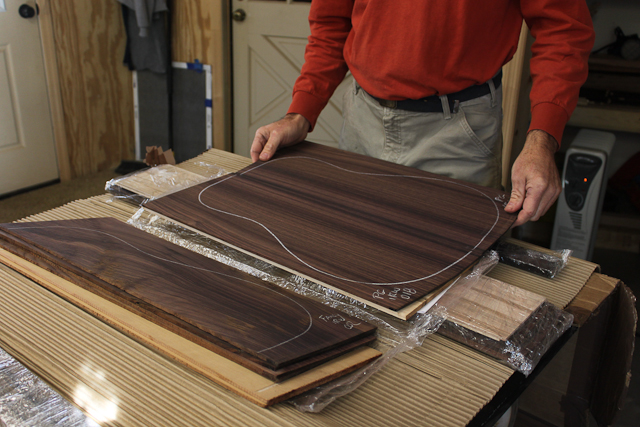
Choosing the right tonewood depends on your playing style and the sound you’re looking for.
For Warm, Rich Tones:
- If you prefer a warm, full-bodied sound with strong mids and bass, consider guitars made with mahogany or rosewood.
For Bright, Articulate Tones:
- If you want clarity and brightness in your playing, especially for lead work or technical playing, maple and spruce are excellent choices.
For Balanced, Versatile Tones:
- If you play a variety of styles and want a well-rounded tone, a spruce top with mahogany or rosewood back and sides offers versatility and balance.
For Fingerstyle and Classical:
- If you play fingerstyle or classical music, cedar tops paired with rosewood or mahogany backs and sides provide warmth and responsiveness.
5. Conclusion: Choosing the Right Tonewood for Your Sound
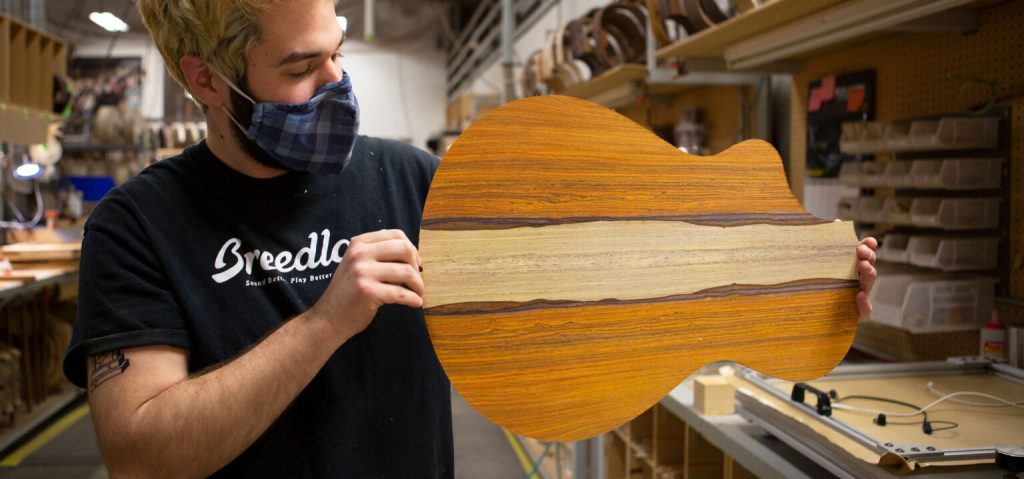
Tonewoods play a crucial role in shaping the sound and feel of your guitar. By understanding the characteristics of different tonewoods, you can choose an instrument that matches your playing style and tonal preferences. Whether you’re looking for the warm, rich tones of mahogany, the bright clarity of maple, or the balanced versatility of spruce, selecting the right tonewood is key to finding a guitar that inspires you every time you play.
 oscaronguitars.com
Leave a comment