
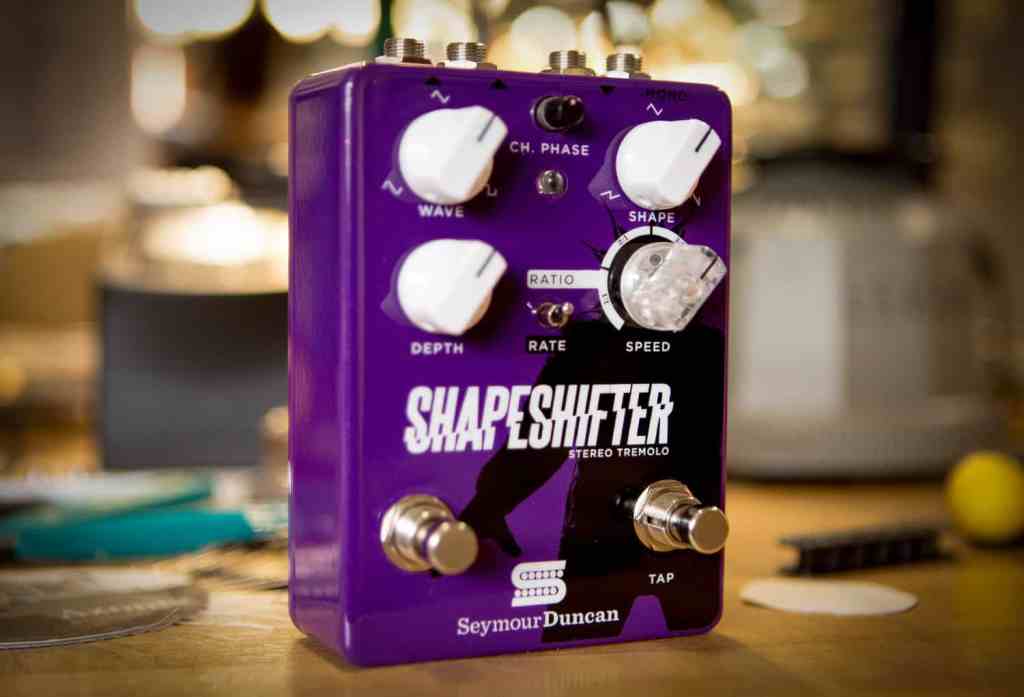
The name alone might pique your curiosity, and for good reason—this effect is all about transforming your guitar’s sound in ways that are both unique and dynamic. So, what exactly is a Shape Shifter effect, and how can it add some serious flavor to your playing? Let’s dive in and find out!
What Is a Shape Shifter Effect?
The Shape Shifter effect is essentially a type of modulation effect, but it’s not just any ordinary modulation. It’s designed to alter the waveform of your guitar signal, “shifting” the shape of the sound waves to create varying textures, pulses, and rhythmic modulations. This can result in anything from subtle, wavy sounds to intense, choppy, or even otherworldly tones.
The Shape Shifter effect is often associated with tremolo or phaser effects but with a twist—allowing for more complex and evolving modulations that can completely reshape your guitar’s tone. It’s an effect that can take your sound into new, creative territories, making it a favorite for experimental guitarists and those looking to push the boundaries of traditional guitar sounds.
How Does the Shape Shifter Effect Work?
Here’s a basic rundown of how the Shape Shifter effect operates:
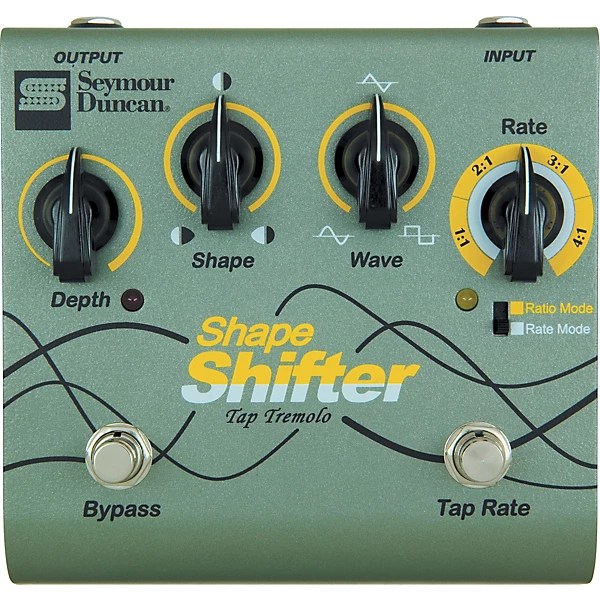
- Waveform Modulation: The core of the Shape Shifter effect lies in its ability to modify the shape of the waveform of your guitar signal. This means it can turn a simple sine wave into something more complex, like a square, triangle, or even random waveforms, each producing different tonal characteristics.
- Adjustable Parameters: Most Shape Shifter effects come with controls that allow you to adjust the rate (speed), depth (intensity), and sometimes the symmetry of the waveforms. By tweaking these parameters, you can create a wide range of sounds, from smooth, flowing modulations to sharp, rhythmic pulses.
- Dynamic Expression: Some Shape Shifter effects respond dynamically to your playing, meaning the effect can change based on how hard or soft you play. This adds an expressive element to your playing, making the effect feel more organic and responsive.
- Combination of Effects: The Shape Shifter effect often combines elements of tremolo, phasing, and sometimes even flanging, creating a multi-dimensional sound that’s more than the sum of its parts. This combination allows for a highly versatile effect that can adapt to different musical contexts.
Why Use a Shape Shifter Effect?
The Shape Shifter effect is not as common as some other effects, but it offers unique benefits that can really make your guitar stand out. Here’s why you might want to experiment with it:
- Versatility in Tone Shaping: The Shape Shifter effect is incredibly versatile, allowing you to sculpt your guitar’s tone in ways that other effects can’t. Whether you want a subtle modulation or a dramatic, sweeping change, this effect can deliver.
- Creative Sound Design: If you’re into creating unique sounds and textures, the Shape Shifter effect is a powerful tool. It’s perfect for crafting ambient soundscapes, experimental tones, or just adding a new dimension to your playing.
- Expressive Playing: The dynamic nature of the Shape Shifter effect means it can respond to your playing style, adding an extra layer of expression to your performance. It’s a great way to make your guitar sound more interactive and alive.
- Layering and Depth: When combined with other effects, the Shape Shifter can add depth and complexity to your sound. It’s especially effective when used with delay, reverb, or overdrive to create rich, layered tones.
Famous Uses of Shape Shifter Effects
While the Shape Shifter effect isn’t as widely recognized as some other effects, it has been embraced by guitarists who are looking to push the boundaries of their sound. Here are a few ways it has been used:
- Experimental Music: In genres like ambient, shoegaze, or electronic music, the Shape Shifter effect can be used to create evolving textures and sounds that move and change over time, adding a dynamic, living quality to the music.
- Psychedelic Rock: Guitarists in the psychedelic rock genre often use the Shape Shifter effect to create swirling, hypnotic sounds that enhance the trippy, surreal vibe of the music.
- Prog Rock and Metal: In progressive rock and metal, where complex rhythms and unusual time signatures are common, the Shape Shifter effect can add rhythmic interest and enhance the intricacy of the music.
How to Use the Shape Shifter Effect Effectively
To get the most out of the Shape Shifter effect, here are some tips and tricks:
- Start with Simple Settings: If you’re new to the Shape Shifter effect, start with simple settings and gradually increase the complexity. This will help you understand how the different parameters affect your tone.
- Experiment with Waveforms: Different waveforms produce different sounds, so don’t be afraid to experiment. A square wave might give you a choppy, staccato effect, while a sine wave could produce a smooth, rolling modulation.
- Combine with Other Effects: The Shape Shifter effect works beautifully with other effects. Try combining it with delay for a cascading, rhythmic pulse, or with reverb for a spacious, evolving sound.
- Use for Dynamic Expression: If your Shape Shifter pedal has dynamic sensitivity, use it to add expression to your playing. Play harder to increase the intensity of the effect, or play softer for a more subtle modulation.
- Explore Different Rhythms: Adjust the rate of the Shape Shifter to match the tempo of your song or to create interesting rhythmic patterns. This can add a unique groove to your playing, especially in genres that emphasize rhythm and timing.
Choosing the Right Shape Shifter Effect
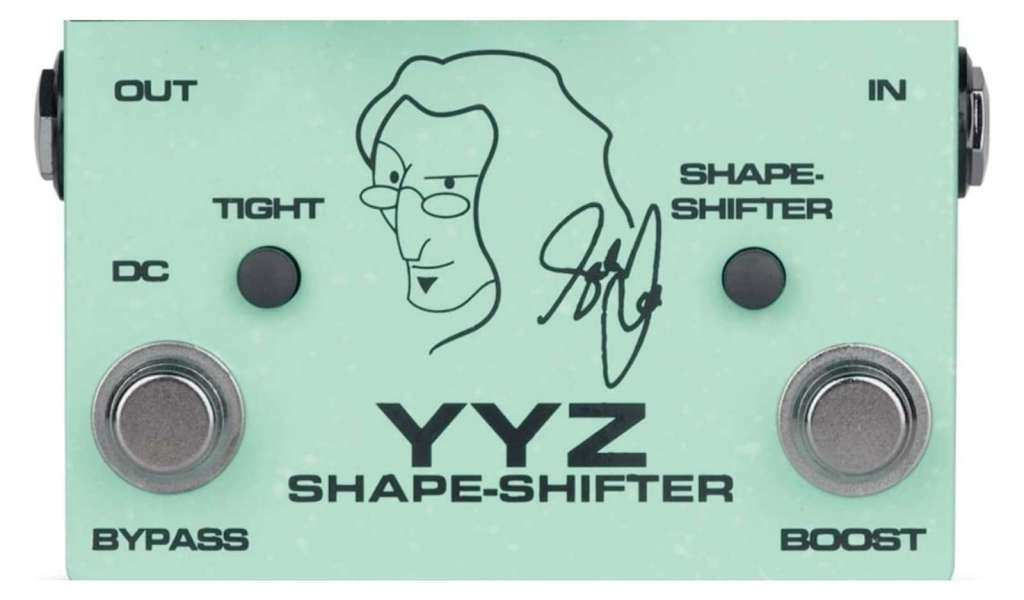
When looking for a Shape Shifter effect, consider the following factors:
- Waveform Variety: Look for a pedal or plugin that offers a range of waveforms and modulation options. The more waveforms you have at your disposal, the more versatile your sound can be.
- Ease of Use: Some Shape Shifter effects can be complex, so find one that matches your comfort level. If you’re new to this type of effect, a simpler model with straightforward controls might be a good starting point.
- Sound Quality: As with any effect, sound quality is key. Listen to demos and read reviews to find a Shape Shifter effect that delivers the tonal characteristics you’re after.
- Integration with Your Setup: Make sure the Shape Shifter effect works well with the rest of your pedalboard or recording setup. Consider how it will interact with other effects and whether it complements your overall sound.
Conclusion: Transform Your Tone with the Shape Shifter Effect
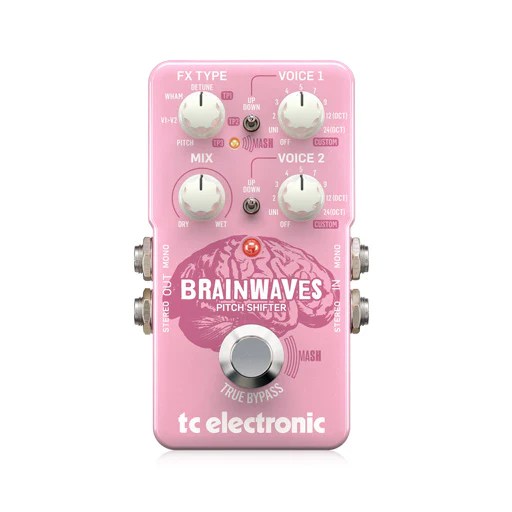
The Shape Shifter effect is a powerful and creative tool that can add new dimensions to your guitar playing. Whether you’re looking to create rhythmic pulses, swirling modulations, or evolving soundscapes, this effect offers endless possibilities for tone shaping.
 oscaronguitars.com
Leave a comment