
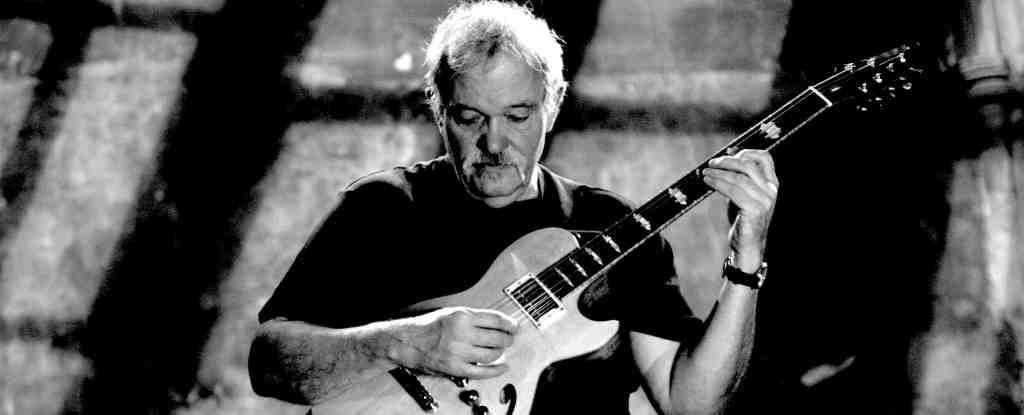
John Abercrombie, an iconic figure in jazz guitar, redefined the instrument’s possibilities by blending jazz with rock, fusion, and free-form improvisation. With his unique, atmospheric tone and improvisational approach, Abercrombie’s work is a testament to his commitment to exploration and innovation. Known for his long association with ECM Records, Abercrombie’s playing is noted for its emotional depth, harmonic sophistication, and a reflective, almost cinematic quality that resonates with guitarists across genres. This article explores Abercrombie’s journey, his impact on jazz guitar, and the techniques that made his playing so influential.
Early Life and Beginnings in Jazz
John Abercrombie was born in Port Chester, New York, on December 16, 1944. He picked up the guitar at age 14, initially drawn to rock and blues before delving into jazz. Abercrombie attended Berklee College of Music in Boston, where he honed his craft and studied with renowned musicians, developing a sound that would eventually blend various genres. After moving to New York City, Abercrombie joined jazz-rock fusion bands, where his unique guitar work began to gain notice. He quickly became a regular on the jazz scene, and his ability to blend rock, jazz, and fusion elements caught the attention of producers and musicians alike.
Defining His Sound with ECM Records
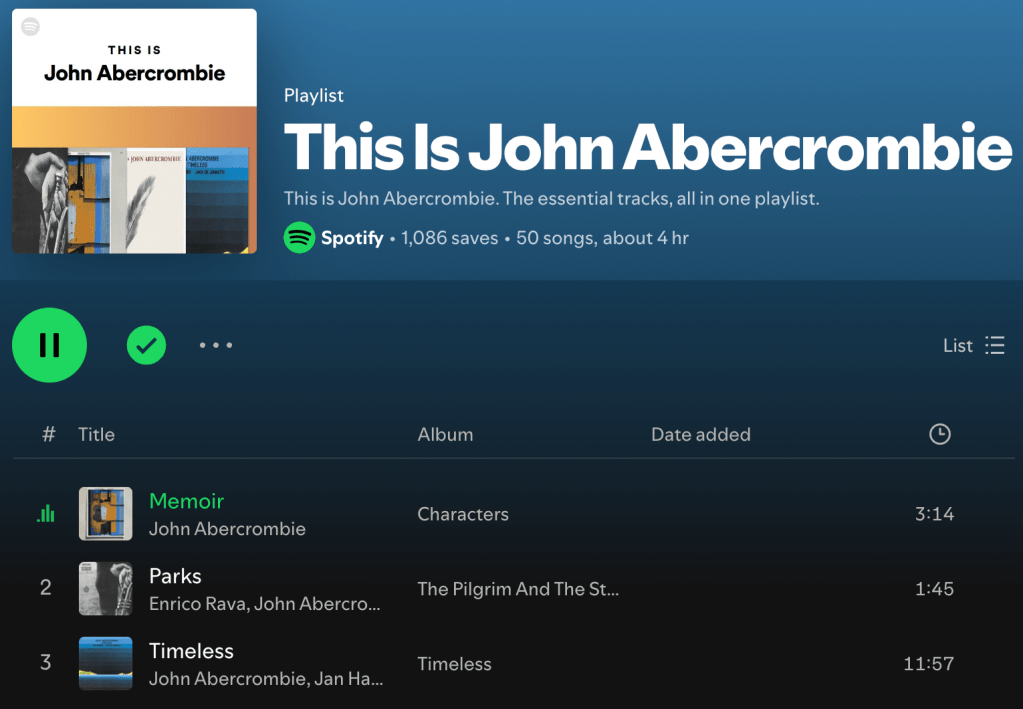
Abercrombie’s career took a major leap when he signed with ECM Records in the mid-1970s, a label known for its forward-thinking and atmospheric style. His debut album, “Timeless” (1975)—a collaboration with drummer Jack DeJohnette and keyboardist Jan Hammer—became an instant classic, blending Abercrombie’s rock-inspired guitar tone with jazz improvisation and haunting, spacious melodies.
The ECM years saw Abercrombie at his most creative, and his albums from this era reflect his openness to musical exploration. His tone was often enhanced by subtle effects, giving his music a spacious, dreamlike quality that was distinct from other jazz guitarists of his time. His work during this period is often described as “cinematic” due to its rich, layered soundscapes that evoke vivid imagery and emotions.
The Unique Sound and Style of John Abercrombie
Abercrombie’s style is often characterized by his fluid phrasing, exploratory harmonic language, and a minimalist approach that leaves space for subtlety and nuance. While he drew on jazz influences like Wes Montgomery and Jim Hall, Abercrombie incorporated the rock sounds of Jimi Hendrix and Eric Clapton into his jazz playing, creating a signature style that blurred genre boundaries.
Key Elements of Abercrombie’s Playing:
- Atmospheric Tone: Abercrombie’s use of delay and reverb gave his sound an ethereal, spacious quality that was integral to the ECM aesthetic. His tone is often described as airy and reflective, adding a sense of depth to his playing.
- Fluid Phrasing: His phrasing is smooth and conversational, often avoiding rigid bebop lines in favor of fluid, melodic passages that evolve naturally.
- Exploratory Harmonies: Abercrombie was known for his advanced harmonic sensibility, often incorporating unconventional voicings and ambiguous chord structures that opened new directions for jazz guitarists.
- Dynamic Range: Abercrombie’s playing was always sensitive to dynamics, moving seamlessly between delicate passages and more intense, aggressive sections. This sensitivity added an emotional dimension to his music, making his playing deeply expressive.

Notable Albums and Key Recordings
John Abercrombie’s discography is rich with groundbreaking recordings that showcase his evolution as a musician and composer. Here are some essential albums to understand his contributions to jazz guitar.
1. “Timeless” (1975)
As Abercrombie’s debut on ECM Records, Timeless is a cornerstone of jazz fusion. The title track, a collaboration with Jan Hammer and Jack DeJohnette, highlights Abercrombie’s rock-infused jazz style and laid the groundwork for his future explorations. The album remains a definitive statement of Abercrombie’s vision, blending jazz, rock, and fusion into a cohesive, atmospheric sound.
2. “Gateway” Series with Dave Holland and Jack DeJohnette
The Gateway albums, recorded with bassist Dave Holland and drummer Jack DeJohnette, are classics in the jazz trio format. This series showcases Abercrombie’s knack for blending open-ended improvisation with structured compositions. Tracks like “Sorcery I” and “Unshielded Desire” highlight his ability to weave complex, melodic lines with the rhythm section, creating a unique, interconnected sound.
3. “Night” (1984)
On Night, Abercrombie collaborated with keyboardist Jan Hammer and drummer Peter Erskine to create a more groove-oriented sound. This album marks a return to his jazz-rock roots, featuring accessible melodies with complex, syncopated rhythms. Night is an excellent entry point for listeners new to Abercrombie’s music, as it combines his signature atmospheric sound with memorable melodies.
4. “Current Events” (1986)
Current Events, featuring Marc Johnson on bass and Peter Erskine on drums, represents Abercrombie’s experimentation with ambient textures. This album dives deep into soundscapes, exploring space and tonality in a more restrained, minimalist approach. Tracks like “Clint” and “Hippityville” showcase Abercrombie’s interest in blending acoustic and electric textures.
5. “Within a Song” (2012)
Late in his career, Abercrombie revisited his jazz roots on Within a Song, collaborating with saxophonist Joe Lovano, bassist Drew Gress, and drummer Joey Baron. The album pays homage to classic jazz recordings by Miles Davis and John Coltrane, blending Abercrombie’s modern style with a reverence for jazz tradition.

Gear and Tone: Crafting His Signature Sound
Abercrombie’s tone was central to his musical identity, and his choice of gear reflects his commitment to a spacious, atmospheric sound. He often favored Gibson ES-175 and Ibanez guitars, known for their warm, resonant tones. Abercrombie’s guitar choice allowed him to access a rich, rounded tone that suited his minimalist, ethereal approach.
For amplification, he often used Polytone amps and sometimes Roland Jazz Chorus amplifiers, which provided a clear, clean tone that complemented his ambient soundscapes. Abercrombie was also known to use effects sparingly but effectively, primarily employing delay and reverb to add space and depth to his sound. His use of effects was always tasteful, enhancing his tone without overpowering it.
Influence and Legacy
John Abercrombie’s impact on the jazz guitar world is immense. His ability to bridge jazz with rock and fusion, combined with his unique tonal approach, inspired a generation of guitarists to explore beyond traditional jazz boundaries. Abercrombie’s music encouraged jazz guitarists to focus on space and subtlety, demonstrating that less can often be more in the hands of a skilled musician.
Influenced by his approach, many modern guitarists—including Bill Frisell, Pat Metheny, and Kurt Rosenwinkel—have adopted a similar approach to ambient, textural playing in their own work. Abercrombie’s legacy lives on, not only in his recordings but also in the countless musicians who continue to draw from his atmospheric, introspective style.
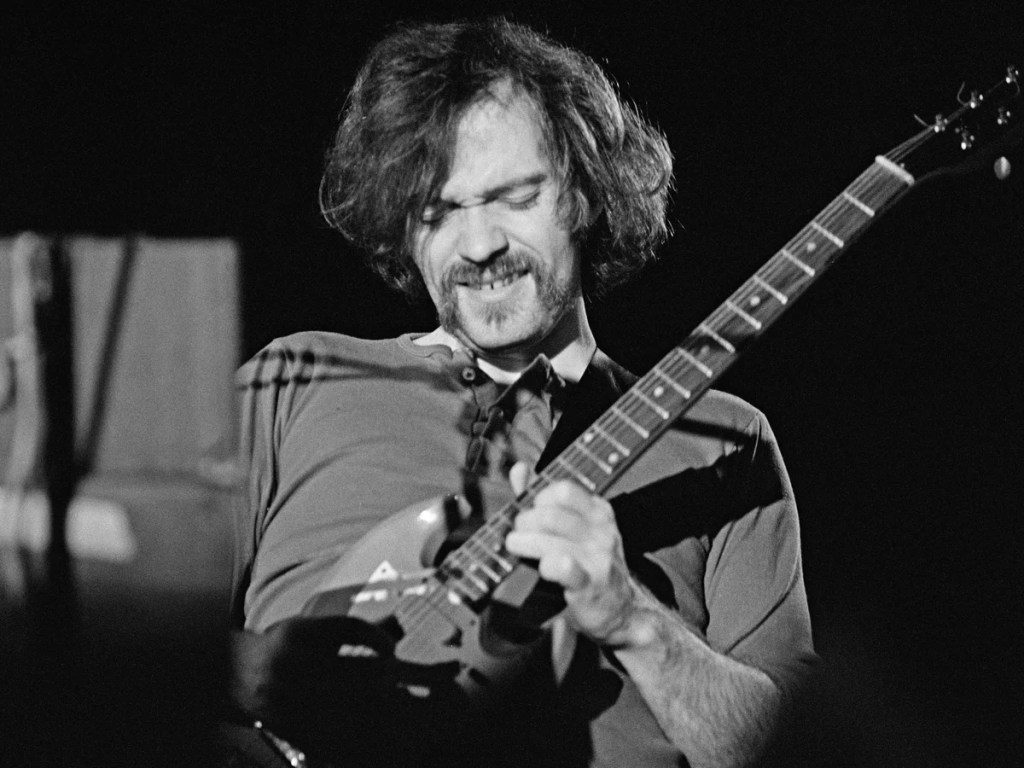
Techniques for Aspiring Guitarists
If you’re interested in incorporating some of Abercrombie’s techniques into your own playing, consider these tips:
- Explore Extended Chord Voicings: Experiment with adding 9ths, 11ths, and 13ths to your chords. Abercrombie’s harmonies often involved extended voicings that added richness to his sound.
- Focus on Dynamics: Emphasize the range of your playing. Transition between soft and loud passages to create a more expressive, dynamic sound.
- Use Subtle Effects: Add delay and reverb to your tone, but keep the effect levels low. This technique will give your playing an ambient quality without overwhelming the core sound.
- Develop Fluid Phrasing: Work on making your lines more conversational. Abercrombie’s solos often feel like a dialogue, moving naturally from one phrase to the next.
- Embrace Minimalism: Leave space in your playing. Sometimes, the most powerful statements are made by what you don’t play, as Abercrombie’s music often demonstrates.
Conclusion
John Abercrombie left an indelible mark on jazz guitar, pushing the boundaries of harmony, tone, and texture. His atmospheric, introspective approach created a new space in jazz, one where exploration and subtlety reign supreme. For guitarists and jazz enthusiasts alike, Abercrombie’s music serves as a masterclass in emotional expression and artistic integrity. Whether you’re a lifelong fan or a newcomer, diving into his discography promises a journey into one of jazz guitar’s most intriguing and evocative voices.
 oscaronguitars.com
Leave a comment