
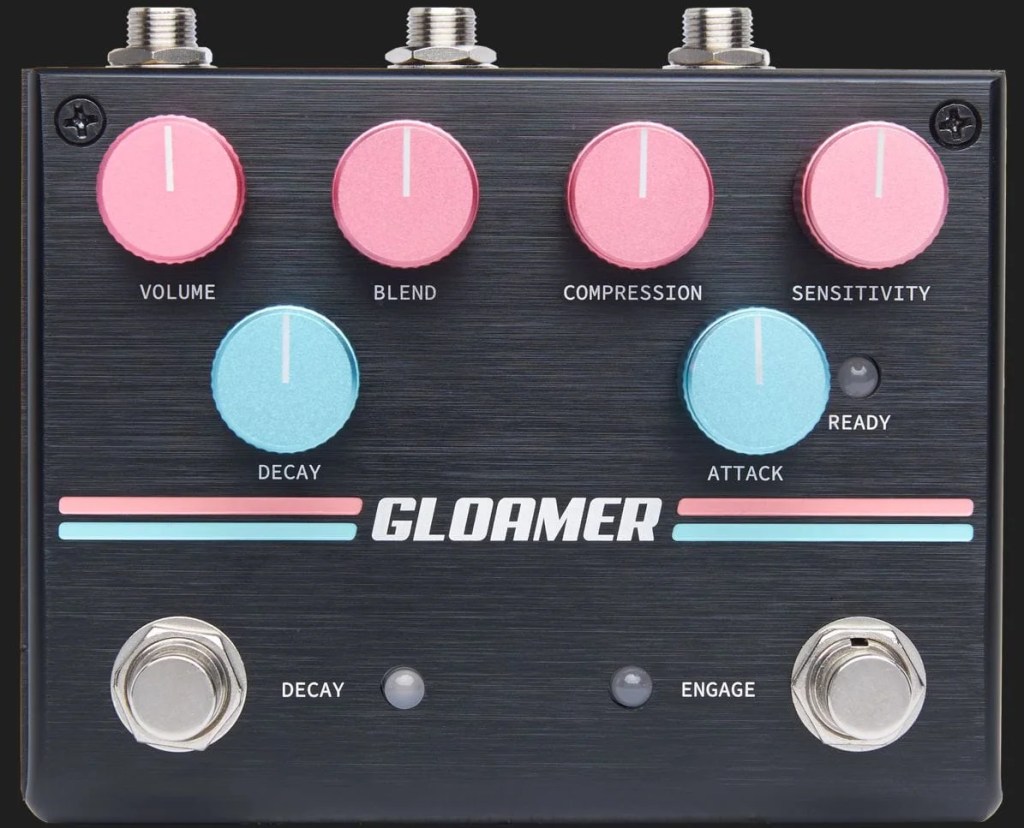
Hey there, guitar enthusiasts! If you’re into creating smooth, atmospheric sounds or adding a touch of drama to your playing, you might have come across the term “swell effect.” It’s a technique that can take your guitar tone to new, expressive heights. But what exactly is a swell effect, and how can it enhance your music? Let’s dive into the details and explore how this subtle yet powerful effect can transform your guitar playing.
What Is a Swell Effect?
The swell effect in guitar is all about controlling the volume of your notes in a way that mimics the rise and fall of a wave. It’s a technique where the attack of the note (the initial sound when you strike the string) is softened or delayed, causing the note to “swell” into its full volume. This creates a smooth, flowing sound that can be incredibly expressive and is often compared to the sound of a violin or other bowed instruments.
You might have heard it in genres like ambient, post-rock, or even in cinematic soundscapes. The swell effect is great for creating lush, atmospheric textures or adding an emotional build-up to your playing.
How Does the Swell Effect Work?
There are a few ways to achieve the swell effect on the guitar:
- Volume Pedal Swells: The most traditional way to create a swell effect is by using a volume pedal. Here’s how it works: you pluck a note or chord with the volume pedal rolled back (set to zero or a low level), and then smoothly press down on the pedal to bring the volume up gradually. This eliminates the initial attack and makes the sound swell in, creating that signature smooth rise.
- Volume Knob Swells: If you don’t have a volume pedal, you can achieve a similar effect using your guitar’s volume knob. After striking a note or chord, quickly roll the volume knob up to create the swell. This method requires a bit more practice and dexterity but can be just as effective.
- Compressor and Delay Pedals: Some guitarists use a compressor pedal to smooth out the attack and a delay pedal to add a sense of depth and space, enhancing the swell effect. The compressor helps by evening out the dynamics, making the volume rise more gradual, while the delay adds a trailing echo that can make the swells feel more expansive.
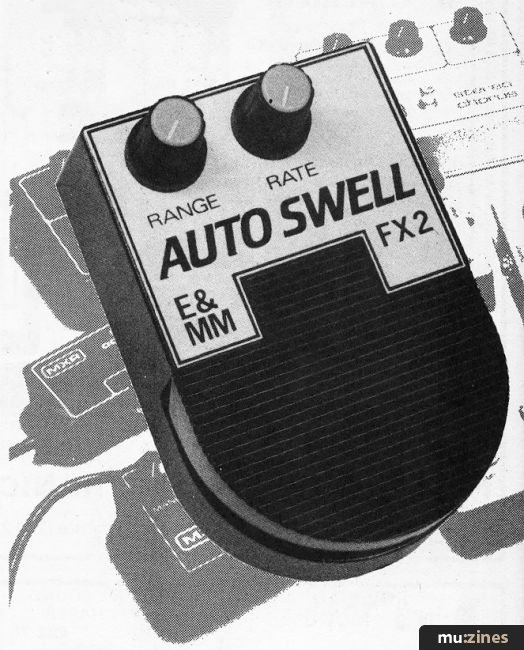
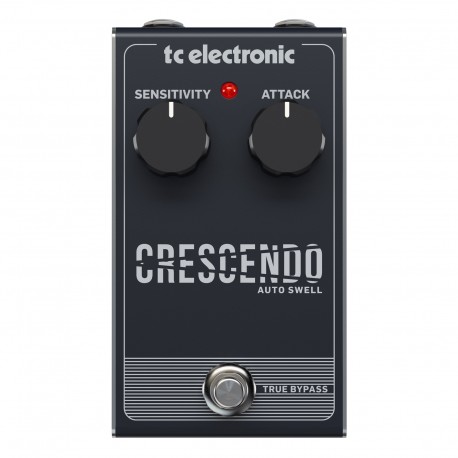
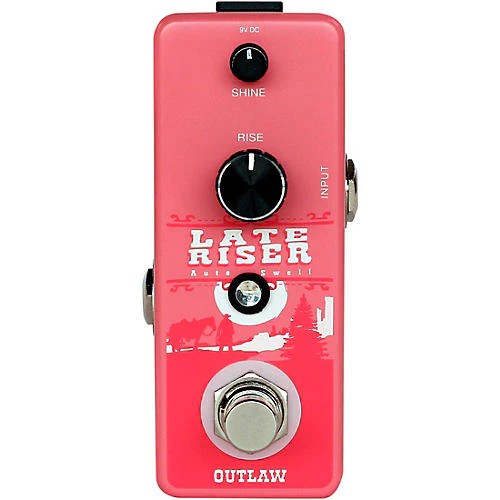
- Auto-Swell Pedals: For those who want a more automated approach, there are pedals designed specifically for creating swell effects. These auto-swell pedals detect the attack of your notes and automatically adjust the volume to create a smooth, swelling sound. It’s a great option if you want consistent swells without needing to manipulate a volume pedal or knob manually.
Why Use a Swell Effect?
The swell effect can add a lot of emotional and dynamic depth to your playing. Here are a few reasons why you might want to incorporate it into your setup:
- Create Atmosphere: Swell effects are perfect for creating ambient, atmospheric sounds. They can make your guitar sound like it’s floating or gliding through the mix, adding a dreamy or ethereal quality to your music.
- Smooth Transitions: Use swells to transition between different sections of a song smoothly. The gradual rise in volume can create a seamless flow, making your playing feel more connected and cohesive.
- Expressive Playing: Swell effects add a layer of expressiveness to your playing. The gradual volume increase can mimic the dynamics of other instruments, like strings or synths, allowing you to add more emotion and nuance to your performance.
- Cinematic Soundscapes: If you’re into creating music for film or video, swell effects can be a powerful tool for building tension, emotion, or atmosphere. They’re often used in soundtracks to create a sense of movement or build-up.
Famous Uses of the Swell Effect
The swell effect has been used by many iconic guitarists and in various genres. Here are a few examples:
- The Edge (U2): The Edge is known for his use of swell effects, often combined with delay, to create the spacious, atmospheric sounds that define many of U2’s songs. Tracks like “With or Without You” showcase his masterful use of swells to create a sense of space and emotion.
- David Gilmour (Pink Floyd): Gilmour’s playing is full of expressive techniques, including volume swells. His use of the effect adds to the emotional depth of solos and chord progressions, particularly in songs like “Shine On You Crazy Diamond.”
- Explosions in the Sky: This post-rock band frequently uses swell effects to build their expansive, cinematic soundscapes. The swells help create a sense of crescendo and movement in their instrumental compositions.
- Sigur Rós: Known for their ethereal and atmospheric sound, Sigur Rós often uses swell effects to create the lush textures that are characteristic of their music. The effect adds to the dreamlike quality of their soundscapes.
How to Use the Swell Effect Effectively
To get the most out of the swell effect, here are some tips:
- Practice Your Timing: If you’re using a volume pedal or knob, timing is crucial. Practice swelling the volume at different speeds to match the tempo and feel of the music. Smooth, well-timed swells can add a lot of polish to your playing.
- Combine with Reverb and Delay: Swells pair beautifully with reverb and delay effects. The reverb can add space and depth, while the delay can create echoes that enhance the swell’s impact. Experiment with different settings to find the right balance.
- Use Sparingly: Like any effect, swells are most effective when used thoughtfully. Consider where in a song a swell might add emotional impact or help build atmosphere. Too many swells can make the effect lose its power, so use it strategically.
- Layer with Other Instruments: Swells work well in layered arrangements. If you’re recording, try using swells to complement other instruments or to fill out the sonic space in a mix. The smooth rise can help blend your guitar seamlessly with synths, strings, or other ambient sounds.
- Experiment with Dynamics: Vary the intensity of your swells to match the dynamics of the song. A gentle, subtle swell might be perfect for a quiet passage, while a more dramatic rise could add power to a climactic moment.
Choosing the Right Swell Effect
When looking for a way to achieve the swell effect, consider the following:
- Volume Pedal: If you’re looking for manual control, a good volume pedal is essential. Look for one that’s smooth and responsive, with a wide range of motion.
- Auto-Swell Pedal: If you prefer an automated approach, check out auto-swell pedals. These pedals often come with additional features like delay or reverb, making them versatile tools for ambient soundscapes.
- Ease of Use: Consider how easy it is to incorporate the swell effect into your playing. If you’re new to the technique, starting with a straightforward setup might be best before moving on to more complex combinations.
- Sound Quality: As always, sound quality is key. Make sure your pedal or effect produces a clean, smooth swell without unwanted noise or distortion.
Conclusion: Add a Touch of Magic with the Swell Effect
The swell effect is a beautiful way to add depth, emotion, and atmosphere to your guitar playing. Whether you’re looking to create cinematic soundscapes, smooth transitions, or simply add a touch of expressiveness to your music, mastering the swell effect can open up a world of sonic possibilities. So, grab your volume pedal, tweak those delay settings, and start exploring the smooth, flowing sounds of the swell effect.
 oscaronguitars.com
Leave a comment