

From Kansas City Jazz Clubs to Global Stages
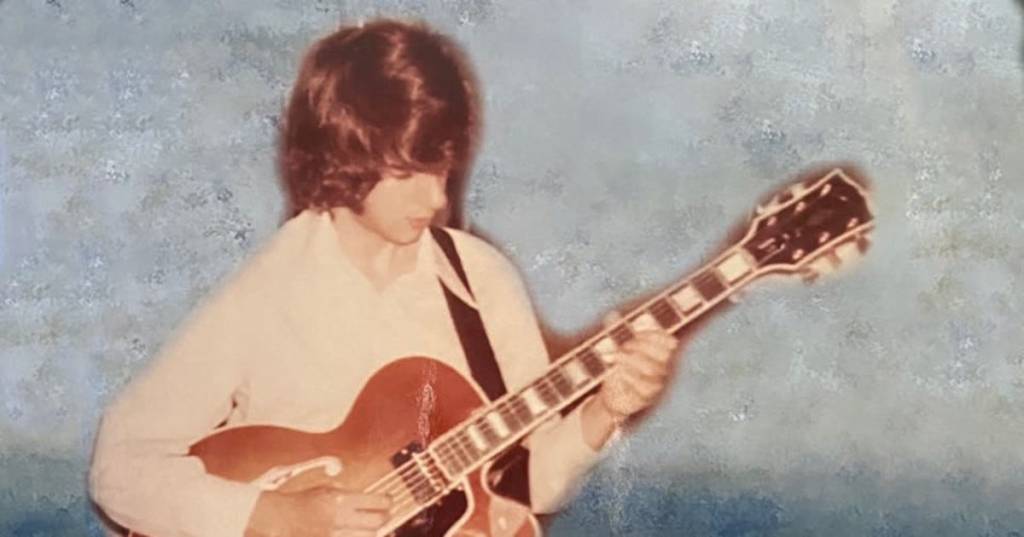
Born on August 12, 1954, in Lee’s Summit, Missouri, Pat Metheny transformed the world of jazz guitar with his innovative techniques and musical expressions. From his early days in the vibrant Kansas City jazz scene to his later international acclaim, Metheny has been recognized for his unique style, which blends elements of jazz, rock, and world music. His work with the Pat Metheny Group, as well as his solo projects and collaborations, showcase his diverse musical palette and explorative spirit.
Pioneering Fusion and Beyond
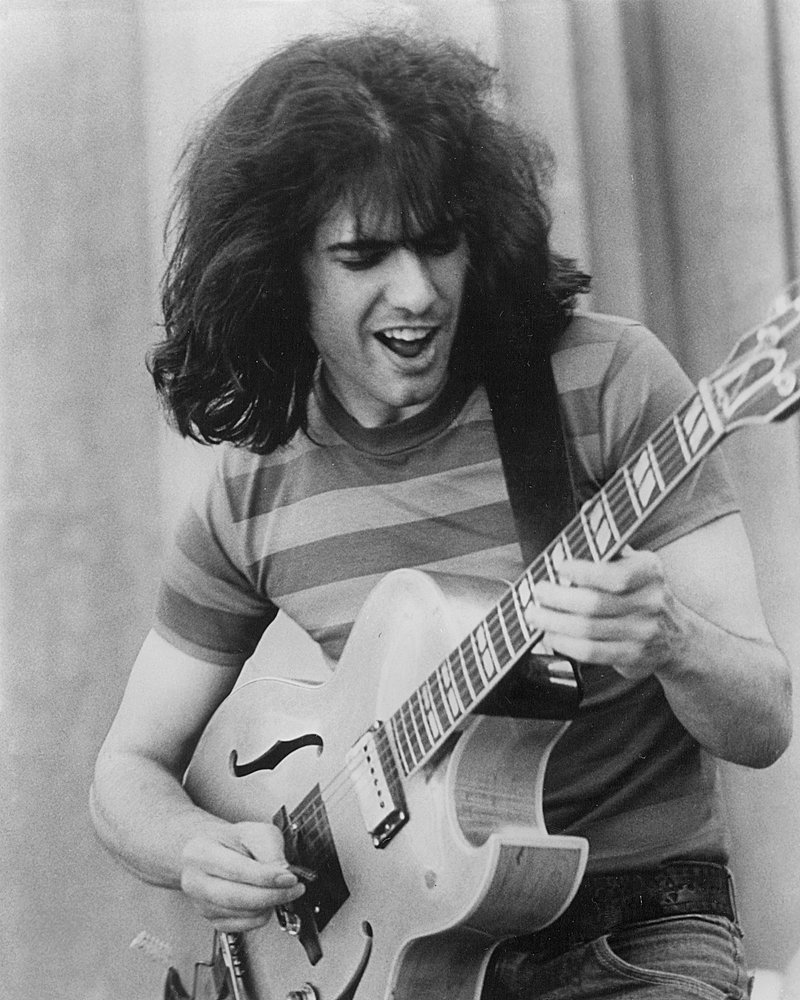
Metheny’s career skyrocketed with the formation of the Pat Metheny Group in 1977, which introduced a fresh, lyrical sound to the jazz fusion scene. Albums like Offramp and Still Life (Talking) broke new ground with their integration of electronic instruments and global musical influences, earning Metheny numerous Grammy Awards across various categories.
Iconic Tracks: A Journey Through Melody and Innovation
Pat Metheny’s extensive discography includes numerous tracks that have redefined jazz guitar:
- “Bright Size Life” – From his debut album of the same name, this track showcases Metheny’s early work and innovative approach to jazz guitar.
- “Are You Going with Me?” – A fusion masterpiece from the album Offramp, known for its haunting synth-guitar melodies and intricate interplay.
- “Last Train Home” – A rhythmic and melodically rich composition from Still Life (Talking) that highlights Metheny’s use of the Synclavier guitar synthesizer.
- “Minuano (Six Eight)” – Represents a blend of North and South American musical styles, demonstrating Metheny’s broad musical influence and mastery.
Gear and Technique: The Metheny Sound
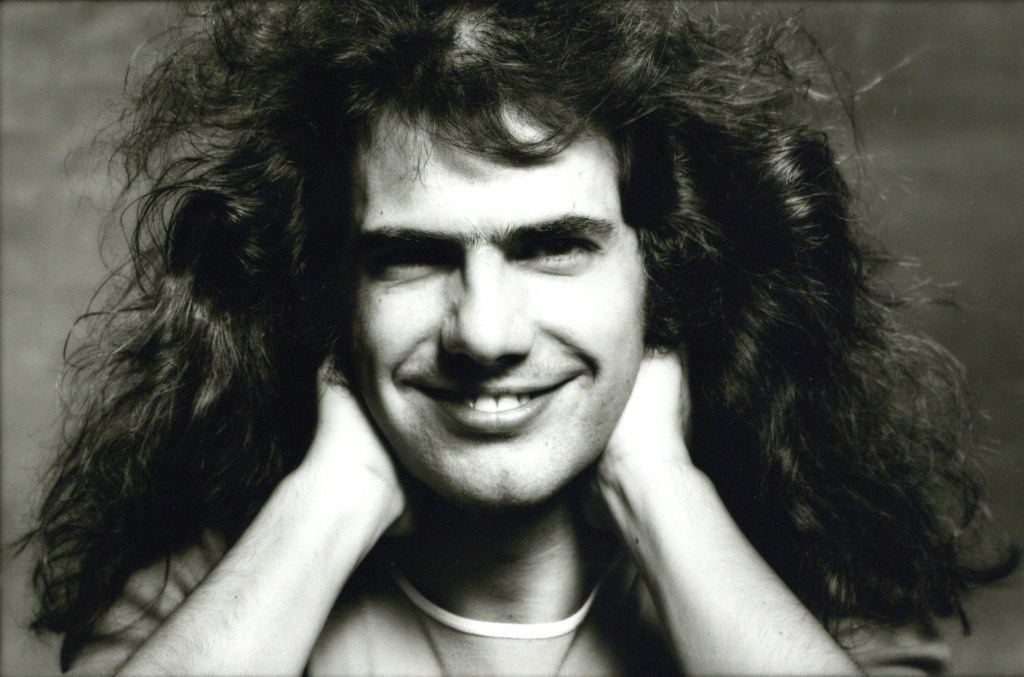
Metheny is known for his diverse array of guitars, including the Ibanez PM model (his signature electric guitar), the acoustic sitar guitar, and the Pikasso guitar, a unique 42-string instrument. His use of guitar synthesizers and the Orchestrion, a mechanically controlled mini-orchestra, further demonstrates his commitment to pushing musical boundaries.
His technique is marked by fluid improvisations, complex chordal harmonies, and a melodic approach that integrates various musical traditions and technologies. Metheny’s playing is easily recognizable by its emotive tone and the seamless blending of jazz harmony with accessible, folk-inspired melodies.
Influence and Impact
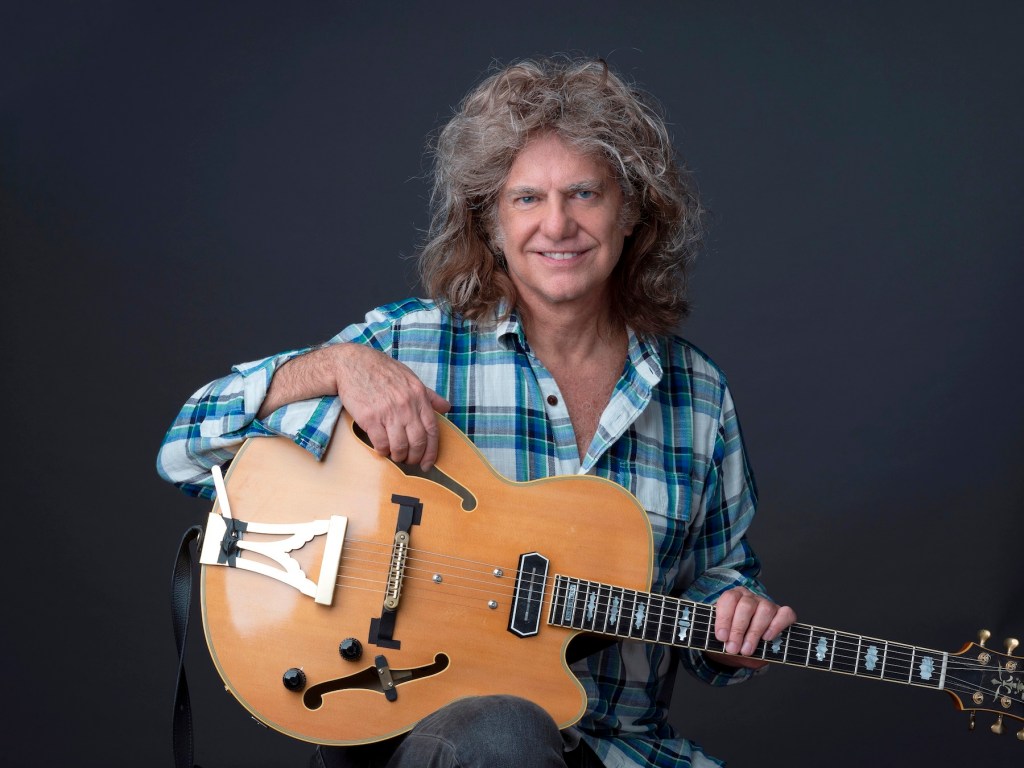
Metheny’s influence on jazz is profound, inspiring countless musicians with his innovative use of technology, his harmonic depth, and his genre-defying compositions. His educational efforts, including teaching stints at the Berklee College of Music and workshops around the world, have helped shape the next generation of jazz musicians.

Conclusion: The Enduring Legacy of Pat Metheny
Pat Metheny remains a towering figure in modern jazz, constantly exploring new musical territories and challenging conventional notions of jazz guitar. His achievements in integrating electronic elements with traditional jazz instrumentation have made him a pioneering force in the music world.

Bonus Track: 10 Facts About Pat Metheny
- Early Prodigy: Started playing trumpet at 8 before switching to guitar at 12.
- Grammy Awards: Has won 20 Grammy Awards in more than 10 different categories.
- Collaborative Spirit: Collaborated with a wide range of artists across genres, from Ornette Coleman to David Bowie.
- Broad Musical Tastes: His music incorporates elements of post-bop, Latin jazz, and folk.
- Innovative Composer: Continues to experiment with new musical formats and technologies.
- Respected Educator: Served as the youngest teacher ever at Berklee College of Music at the age of 18.
- Pat Metheny Group: Founded the Pat Metheny Group, which became known for its innovative approach to jazz.
- Music Technology Pioneer: One of the first jazz musicians to embrace music technology in his compositions.
- Frequent Touring: Known for his extensive touring, often performing more than 200 shows a year.
- Environmental Awareness: Advocates for environmental causes through his music and public life.
 oscaronguitars.com
Leave a comment