
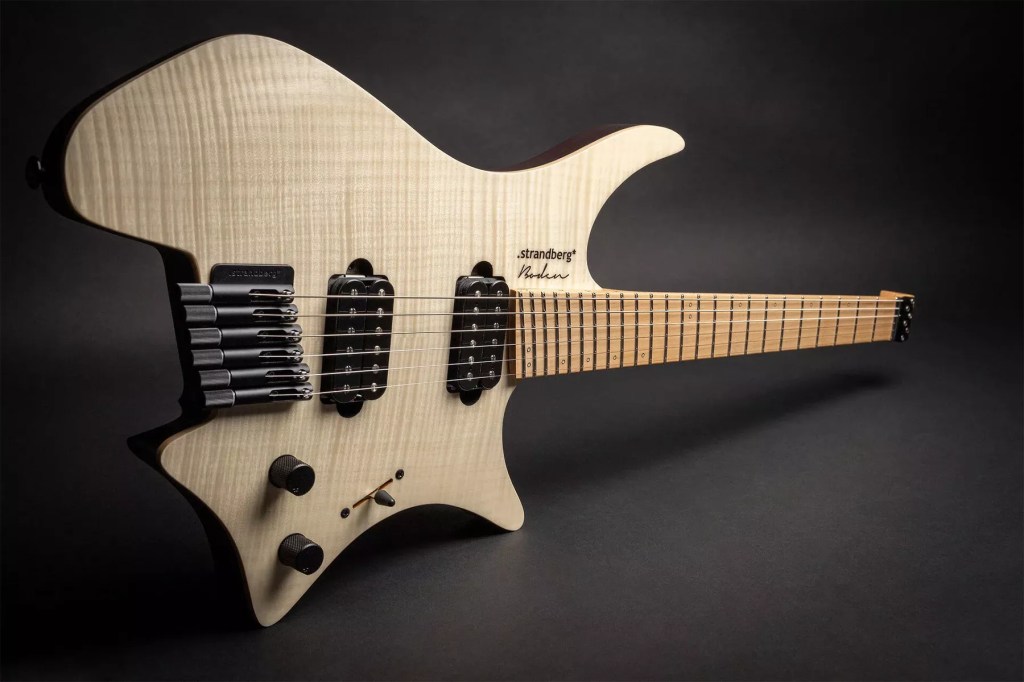
Buying a high-end guitar isn’t just a purchase — it’s a deeply personal commitment to your craft as a musician. Too often, players get swept up in brand prestige, resale value, visual flash, or collector buzz, losing sight of the real reason to invest in an instrument: the experience of making music.
This article digs deep into what truly matters when buying a premium guitar. It explores why historical heritage can matter — not because of logos or future resale, but because of the accumulated expertise and innovation that shapes the player’s experience. It also goes beyond the usual big names like Gibson and Fender, shining a light on lesser-known but equally masterful builders such as Charvel, ESP, Suhr, Tom Anderson, Mayones, and Caparison.
If you’re looking for an instrument that elevates your playing, not just your status, read on.
1. Forget the Logo — Focus on the Player’s Needs
Let’s be honest: a guitar hanging on your wall or sitting in a case is just an expensive piece of wood. A guitar’s real value emerges when it’s in your hands, alive under your fingers, transforming emotion into sound.
That’s why the first question you should ask when considering a high-end guitar is not:
- Will this hold value in 10 years?
- Is this brand iconic?
- Will people be impressed when they see this onstage?
Instead, ask: What do I, as a player, truly need?
- Are you a blues player seeking warm, expressive bends and vintage tones?
- A metal guitarist craving tight low-end, precision fretwork, and rock-solid tuning under high gain?
- A session player needing versatility across genres and pickup configurations?
The best guitar for you is the one that feels like an extension of your hands and delivers the sound you hear in your head.
2. Why Heritage Matters — But Not in the Way You Think
A brand’s legacy isn’t just marketing — it often represents generations of refined craftsmanship, materials knowledge, and player-centered design. This is where historical heritage matters.
For example:
- Gibson didn’t become Gibson by accident; decades of player feedback, tonal innovation (think humbuckers, Les Paul carve tops, semi-hollows) and craftsmanship define the brand.
- Fender shaped the modern electric guitar, but their Custom Shop and American Ultra series show they’re not resting on nostalgia — they keep evolving based on how today’s players work.
But heritage also lives in modern master builders:
- Suhr (founded by John Suhr, ex-Fender Custom Shop) merges cutting-edge precision with vintage design sensibility, creating guitars that are stunningly playable.
- Tom Anderson is legendary for his boutique builds, with meticulous attention to detail, neck feel, and tonal balance.
- Mayones (from Poland) combines European craftsmanship with modern design, offering ultra-precise instruments favored by progressive and metal players.
- Caparison (from Japan) crafts guitars that are legendary for their playability, reliability, and distinctive voicing, particularly in the metal and fusion world.
What unites all these brands isn’t the logo — it’s their unrelenting commitment to the player’s experience. They obsess over balance, weight, fretwork, pickup voicing, finish quality, neck feel, and hardware, all to deliver an instrument that lets you focus on music, not on fighting the guitar.
3. Look Beyond the Finish — Playability Is King
A dazzling flame top or a striking custom color is seductive, but once the honeymoon is over, what matters is how it plays.
Key areas to focus on:
- Neck profile: Thin D? Chunky C? Modern slim taper? The neck must fit your hand and technique.
- Fretwork: High-end guitars should have immaculate fret leveling, crowned edges, and perfect intonation across the neck.
- Ergonomics: Balance, body contours, cutaways — can you play standing for two hours without fatigue?
- Hardware reliability: Do the tuners hold well under stress? Does the bridge deliver stable tuning through bends or tremolo dives?
Even among top-tier brands, differences here are felt, not just seen. A Suhr Standard’s rolled edges and satin neck finish offer buttery smoothness; a Caparison Horus’s short scale and wide frets give lightning-fast access; a Mayones Regius’s multi-scale neck enhances tension and clarity.
Playability is where the money truly matters.
4. Prioritize Sound — Your Sound
Specs on paper don’t guarantee tone. What matters is how the guitar’s voice matches your musical goals.
- Pickups: Do you need clarity and sparkle (think Suhr V60LPs)? Crushing high-output roar (Bare Knuckle, Fishman Fluence, or EMG on ESPs)? Dynamic vintage warmth (Tom Anderson HC series)?
- Tonewoods: Does the body’s resonance complement the pickup character? Alder, swamp ash, mahogany, and maple each contribute to the tonal fingerprint.
- Electronics and switching: Do you need coil splits, series/parallel options, or just a dead-simple volume/tone setup?
Don’t buy for tonal reputation — buy for your ears. Bring your amp to the shop if you can, and test the guitar in your real-world rig.
5. Setup Still Matters — Even at the Top
One of the most overlooked truths: even a $4,000 guitar can arrive needing a professional setup. Climate shifts, shipping stress, or even factory quirks mean you must account for action, intonation, neck relief, and nut slots.
A top-tier guitar should have excellent bones — but a skilled tech will help it perform to perfection. Budget for this. It’s the final step to transforming a great guitar into your guitar.
6. Investment and Resale — But Secondary
There’s no harm in considering resale value — some guitars do hold or gain value, especially limited runs or artist signatures. But let’s be clear: a guitar’s primary purpose is to be played, not to sit in a vault.
If you truly connect with an instrument, its resale value becomes less important because you’ll be making music, not flipping gear. That said, researching market trends can help you make smarter long-term choices, especially if you’re choosing between a boutique builder and a mass-produced brand.
Recommended Lesser-Known Top-Tier Brands to Explore
Beyond the usual suspects, here are some world-class builders every serious player should know:
- Suhr (USA) — Master-crafted modern-vintage guitars, unmatched consistency.
- Tom Anderson (USA) — Boutique perfection, ideal for studio and stage.
- Mayones (Poland) — Forward-thinking designs for prog, metal, and fusion.
- Caparison (Japan) — Known for superb necks and unique pickup voicing.
- Kiesel (USA) — Custom shop flexibility at surprisingly accessible prices.
- Nik Huber (Germany) — Artisan-level instruments, stunning woods, impeccable detail.
- Fibenare (Hungary) — Handcrafted modern guitars with unique aesthetics and feel.
Final Thoughts: Serve the Music, Serve the Player
The best high-end guitar is not the one with the biggest logo or the highest resale value — it’s the one that inspires you every time you pick it up. It’s the guitar you reach for when ideas flow.
When you focus on playability, tone, craftsmanship, and personal connection — and see investment and brand prestige as secondary — you set yourself up for a purchase that serves your creative journey, not just your wallet.
1. Overpaying for Brand Names
One of the most common pitfalls when buying a high-end guitar is overpaying for a well-known brand name. While iconic brands like Gibson, Fender, and Martin are synonymous with quality, they often come with a premium price tag that isn’t always justified by the guitar’s features or materials.
Why It’s a Mistake:
- Brand Premium: Big-name brands often charge more simply because of their reputation, not necessarily because the guitar is superior to lesser-known brands.
- Overlooked Alternatives: There are many boutique or lesser-known brands that offer comparable, if not better, quality for a lower price.
How to Avoid It:
- Research Alternatives: Don’t be swayed by the brand name alone. Take the time to research other manufacturers that might offer similar or better quality at a lower price.
- Try Before You Buy: If possible, play guitars from different brands side by side to compare their feel, sound, and build quality. You might find that a lesser-known brand offers everything you’re looking for without the hefty price tag.
2. Ignoring Key Features and Specifications
When shopping for a high-end guitar, it’s easy to get caught up in the aesthetics or brand and overlook the key features and specifications that really matter, such as the type of wood, electronics, and neck profile.
Why It’s a Mistake:
- Misalignment with Playing Style: Choosing a guitar that looks great but doesn’t match your playing style can lead to disappointment and frustration.
- Compromised Performance: Ignoring important specs like the neck profile, fretboard material, or pickup configuration can result in a guitar that doesn’t perform the way you need it to.
How to Avoid It:
- Know What You Need: Before you start shopping, make a list of the features that are important to you, such as the tonewoods, pickup types, neck shape, and fretboard material. This will help you stay focused on what matters most.
- Ask Questions: Don’t hesitate to ask the salesperson or manufacturer about the specifications. Understanding what goes into the guitar’s construction will help you make a more informed decision.
3. Focusing Too Much on Aesthetics
A beautiful guitar can be incredibly tempting, but focusing too much on aesthetics while ignoring how the guitar sounds or feels can lead to regret down the line. Remember, a guitar’s primary purpose is to create music, not just to look good on stage.
Why It’s a Mistake:
- Sacrificing Playability: A guitar that looks stunning but is uncomfortable to play or doesn’t sound right for your style is not a good investment.
- Overlooking Sound Quality: A gorgeous finish or unique design won’t matter if the guitar doesn’t deliver the tone you’re looking for.
How to Avoid It:
- Prioritize Sound and Feel: When testing guitars, focus first on how they sound and feel in your hands. Aesthetics should be a secondary consideration.
- Consider Custom Options: If you find a guitar that sounds and feels perfect but isn’t visually appealing, consider custom options like different finishes, inlays, or hardware to make it your own.
4. Neglecting the Importance of a Setup
Even the highest-end guitars may not play perfectly straight out of the box. Neglecting to get a professional setup can result in poor playability, tuning issues, and subpar performance.
Why It’s a Mistake:
- Compromised Playability: Without a proper setup, even the best guitar can feel stiff, buzz, or have uneven action, making it harder to play.
- Tuning Stability Issues: A guitar that isn’t set up properly might struggle to stay in tune, especially if the nut, bridge, or truss rod needs adjustment.
How to Avoid It:
- Get a Professional Setup: When you buy a high-end guitar, consider taking it to a professional luthier or guitar tech for a setup. They can adjust the action, intonation, and neck relief to ensure the guitar plays perfectly.
- Ask for a Setup at Purchase: Some retailers offer free setups with the purchase of a high-end guitar. Take advantage of this service to get the guitar playing its best from day one.
5. Skipping the Research on Resale Value
High-end guitars can be significant investments, and it’s wise to consider their potential resale value. Skipping this research can lead to losing more money than expected if you decide to sell the guitar later.
Why It’s a Mistake:
- Depreciation Risks: Not all high-end guitars hold their value well. Some may depreciate quickly, especially if they are tied to fleeting trends or lesser-known brands.
- Overlooking Collectibility: Certain guitars appreciate in value over time, especially limited editions or models associated with famous musicians.
How to Avoid It:
- Check the Market: Research the resale value of the guitar models you’re interested in. Look at how similar models have held up over time on platforms like Reverb, eBay, or local classifieds.
- Consider Collectibility: If you’re looking at a limited edition or signature model, consider its long-term appeal. Guitars that are tied to iconic musicians or historic events often hold their value better.
Conclusion: Make a Smart Investment in Your High-End Guitar
Buying a high-end guitar is a significant investment, and it’s important to approach it with careful consideration. By avoiding these common mistakes—overpaying for brand names, ignoring key features, focusing too much on aesthetics, neglecting a proper setup, and skipping research on resale value—you can ensure that you’re making a smart choice that will bring you joy for years to come.
 oscaronguitars.com
Leave a comment