
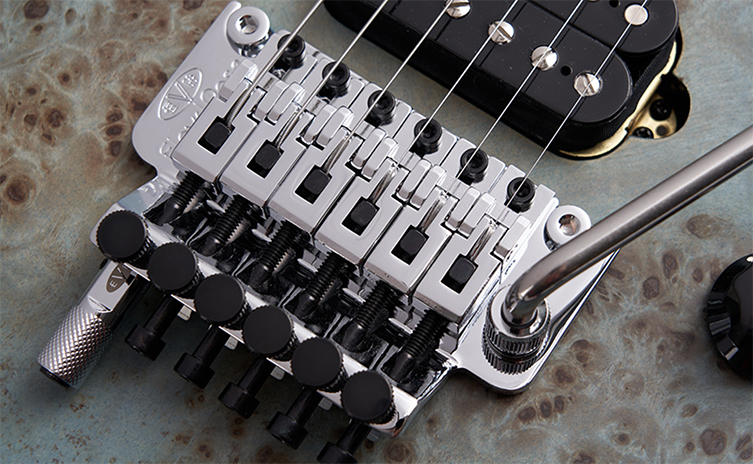
The guitar bridge isn’t just a functional component—it’s the heart of your tone, tuning stability, and playability. From the steadfast sustain of fixed bridges to the expressive possibilities of floating systems, understanding your bridge type can elevate your playing and transform your sound. Whether you’re a beginner or a seasoned shredder, this guide will help you navigate the world of guitar bridges and make informed choices for your instrument. It’s worth noting that most guitar manufacturers cut corners wherever possible to keep costs down—and the bridge is often one of the first places they compromise. Yet the bridge is a surprisingly complex and critical piece, deserving more attention. In fact, upgrading the bridge is one of the smartest ways to hot rod your guitar; swapping in a quality aftermarket bridge can instantly boost tone, tuning stability, and overall performance.
Types of Guitar Bridges and What They Offer
1. Fixed Bridges
Fixed bridges, like hardtails, are straightforward and reliable. They’re anchored to the body, ensuring maximum sustain and tuning stability.
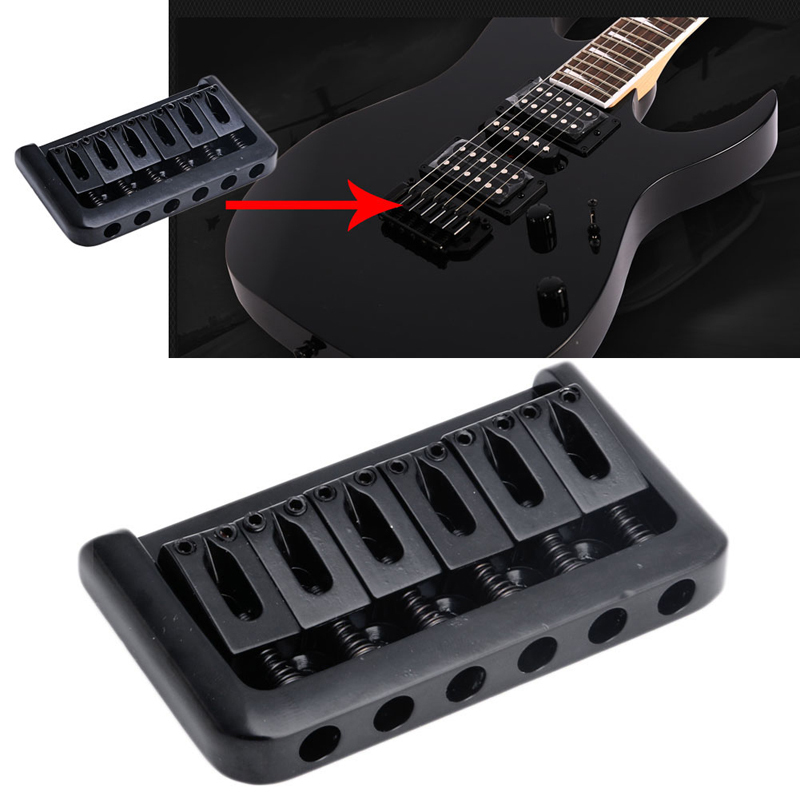
Popular Brands: Gotoh, Hipshot.
Pros:
- Great for sustain and resonance.
- Tuning stays solid.
- Ideal for beginners or players who don’t need a tremolo.
Cons:
- No whammy bar tricks.
- Limited dynamic options.
When to Upgrade: If your current bridge feels uncomfortable or doesn’t align with your strings, it might be worth swapping out.
2. Tune-o-Matic (TOM)
Found on most Gibson-style guitars, this two-piece bridge setup combines functionality with vintage charm.

Popular Brands: Gibson, TonePros.
Pros:
- Adjustable saddles for precise intonation.
- Looks classy on vintage-style guitars.
Cons:
- Can be finicky to set up.
- Not ideal for extreme bending or whammy use.
When to Upgrade: If you’re struggling with intonation or want locking posts for added stability, it’s time for an upgrade.
3. Vintage Tremolos
These are the classic, spring-loaded systems found on Strats. They allow for subtle pitch bends and vintage-style vibrato.
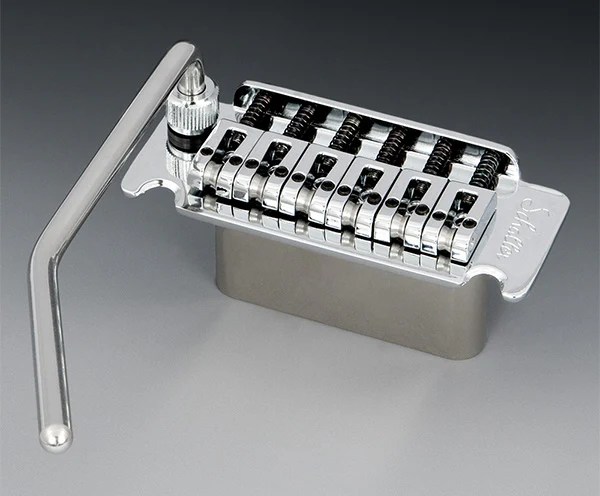
Popular Brands: Fender, Wilkinson.
Pros:
- Adds expressive possibilities.
- Lightweight and easy to maintain.
Cons:
- Can throw tuning off during aggressive play.
- Limited range compared to modern systems.
When to Upgrade: If your tremolo arm is wobbly or doesn’t return to pitch, consider a Wilkinson upgrade for smoother action.
4. Floating Bridges (Floyd Rose, etc.)
The floating bridge is the ultimate tool for dive bombs, squeals, and over-the-top vibrato.
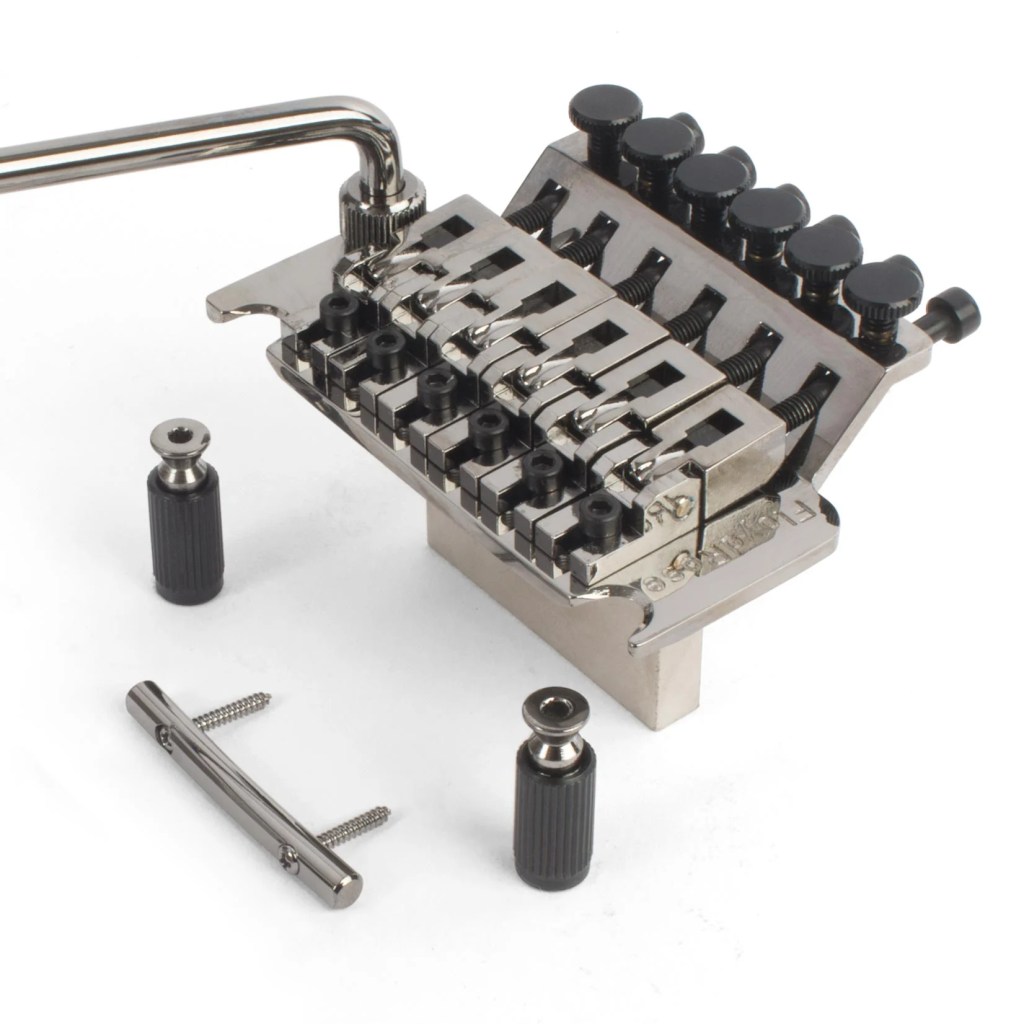
Popular Brands: Floyd Rose, Gotoh, Schaller.
Pros:
- Perfect for extreme whammy bar use.
- Locks strings in place for tuning stability.
Cons:
- Tricky to set up and restring.
- Slightly reduces sustain.
When to Upgrade: If your current floating bridge struggles with stability, a Floyd Rose or Gotoh system can make a world of difference.
5. Wilkinson Bridges
A versatile tremolo system blending vintage style with modern precision.
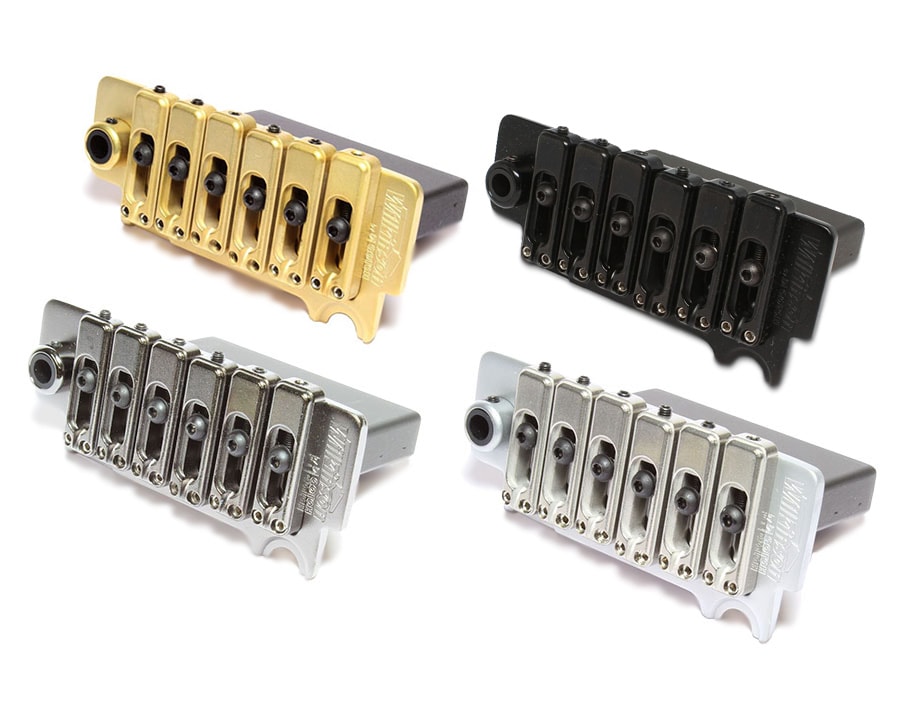
Popular Brands: Wilkinson by Gotoh.
Pros:
- Smooth operation.
- Reliable tuning stability for moderate use.
Cons:
- Not suited for extreme tremolo tricks.
When to Upgrade: If you love Strat-style bridges but need better tuning stability, a Wilkinson is a fantastic option.
6. EverTune Bridges
This revolutionary system keeps your guitar in perfect tune, even during aggressive playing or temperature changes.
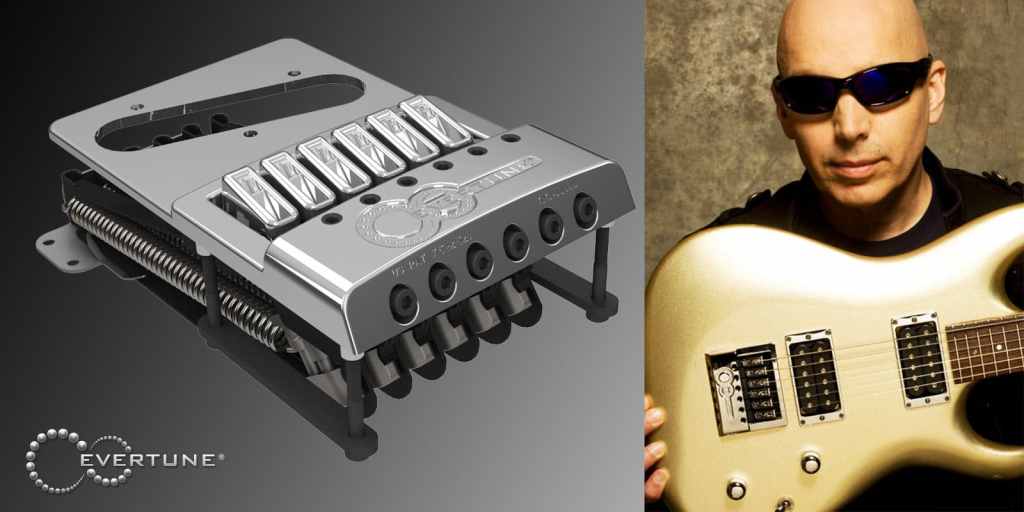
Popular Brands: EverTune.
Pros:
- Virtually eliminates tuning issues.
- Great for studio work and live gigs.
Cons:
- Expensive.
- Limited expressive options.
When to Upgrade: If tuning stability is your Achilles’ heel, the EverTune is a game-changer worth considering.
Tips for Choosing and Upgrading Your Bridge
- Match It to Your Playing Style: Love subtle vibrato? Go vintage. Into heavy metal? Go for a Floyd Rose or EverTune.
- Consider Your Budget: Some bridges, like the EverTune, are pricey but worth it for specific needs.
- Think About Maintenance: Fixed bridges are low-maintenance, while floating systems require more setup time.
- Test Comfort and Feel: A poorly matched bridge can ruin your playing experience. Try before you buy if possible.
- Check for Compatibility: Ensure your new bridge fits your guitar’s routing and screw placements.
Conclusion
The right bridge can elevate your guitar to new heights. Whether you’re chasing ultimate tuning stability or expressive whammy bar dives, there’s a bridge out there to match your style. Invest wisely, and let your music shine.
 oscaronguitars.com
Leave a comment