
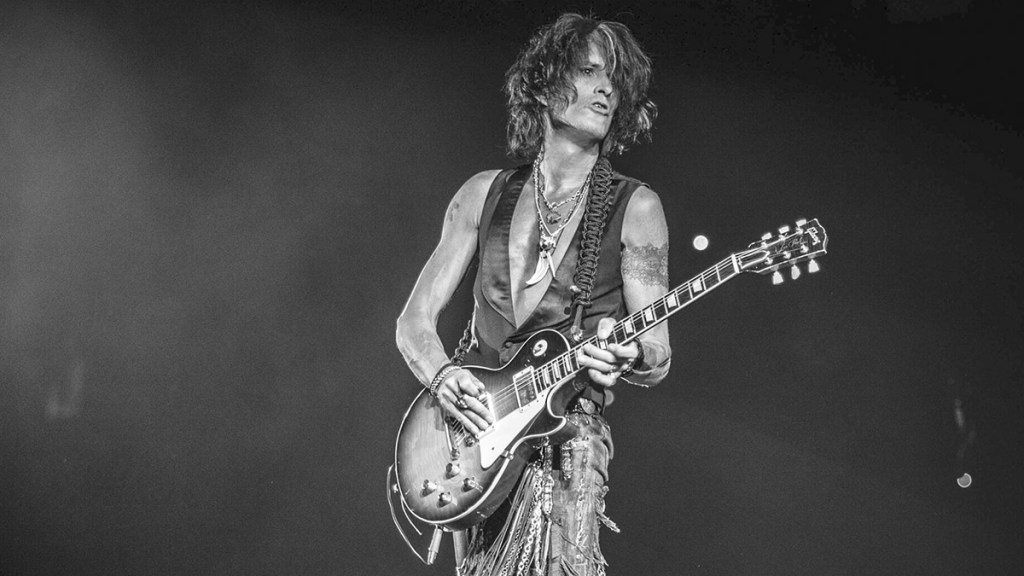
The Swagger, the Strings, and the Soul of Aerosmith
Joe Perry isn’t just the guitarist for Aerosmith — he’s the raw nerve. His riffs didn’t just support songs; they defined them. He’s what happens when a blues-drenched soul meets street-hardened rock ‘n’ roll attitude and refuses to settle for either.
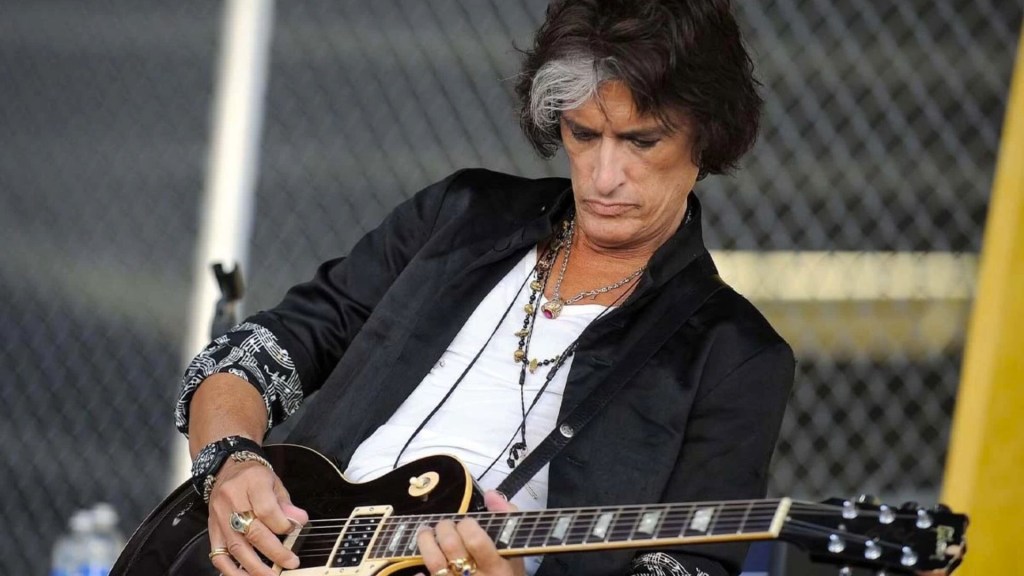
I. Roots in Rebellion: A Misfit with a Guitar
Born Anthony Joseph Pereira in 1950, Perry’s early years were shaped not by luxury or fame, but by obsession. He was a dyslexic kid in small-town Massachusetts who couldn’t sit still in school but found his language in the guitar. Inspired by early rockers like Chuck Berry and the dark pull of the blues, Perry became addicted to sound — not just playing it, but exploring its dirt, color, and attitude.
His heroes weren’t just virtuosos — they were storytellers. Think Jeff Beck’s sneer, Clapton’s phrasing, Page’s mysticism. But Perry never wanted to sound like any of them. He wanted to sound like the alley behind the club they just played.
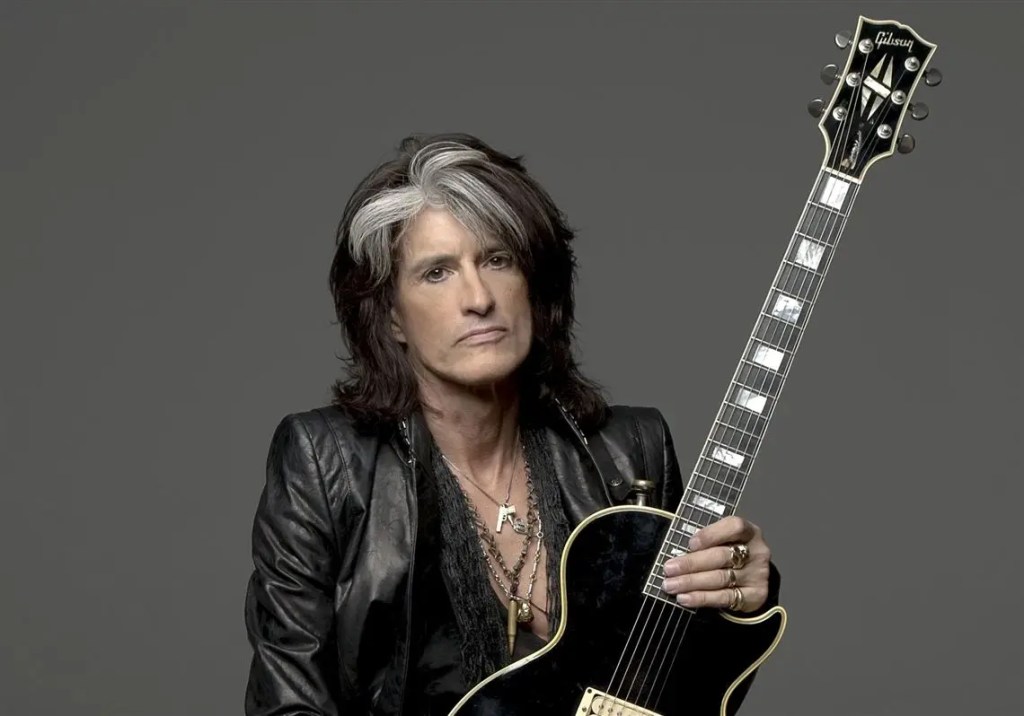
II. The Aerosmith Alchemy: Blues and Bombast
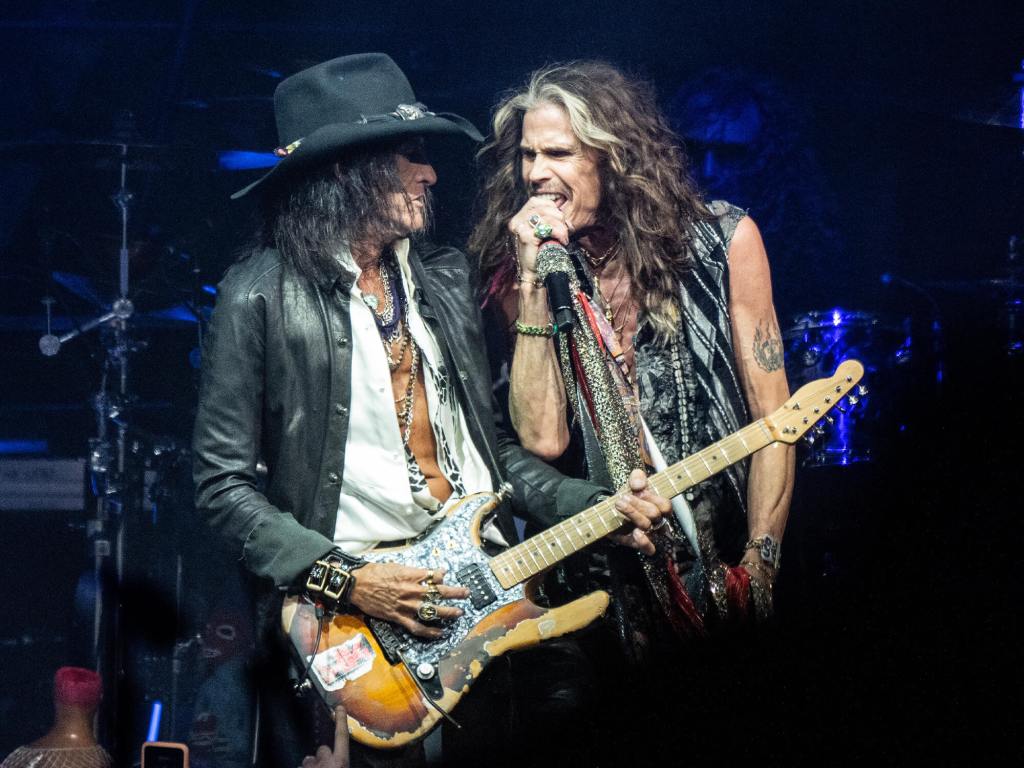
In 1970, Perry and bassist Tom Hamilton met Steven Tyler, and the seeds of Aerosmith were sown. What made the band click wasn’t just musical chemistry — it was friction. Tyler’s manic charisma needed grounding, and Perry’s riff-first ethos gave it weight.
By the mid-70s, Aerosmith’s Toys in the Attic and Rocks weren’t just hits — they were game-changers. Perry’s raw, filthy guitar tone turned tracks like “Walk This Way” into hooks for generations. But he was never just a riff-machine — his phrasing was always steeped in blues vocabulary, delivered with just enough slop to feel dangerous.
Why It Worked:
- Perry wasn’t playing to impress guitarists.
- He played for feel.
- Every slide, bend, and squeal was a fistfight with perfection — and that imperfection made it real.
III. The Gearhead Philosopher
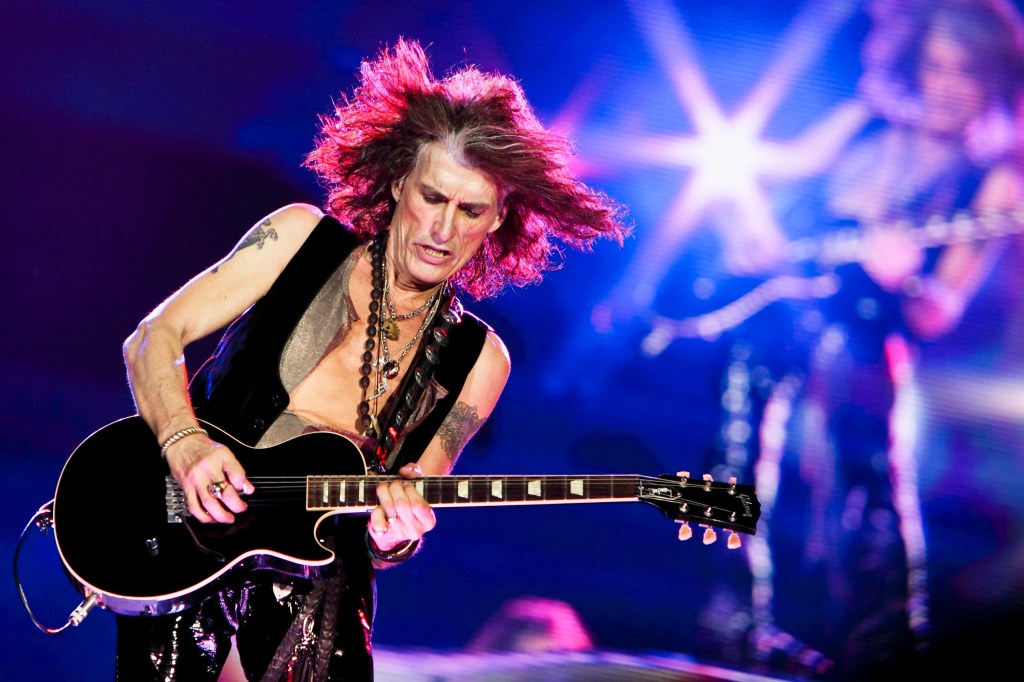
Perry’s rig is not about just piling on pedals. It’s about color palette. His go-to guitar? The Gibson Les Paul, because of its thick midrange and dynamic response. But he’s used everything from vintage Strats to Gretschs, Firebirds, Zemaitis guitars, and custom models by luthiers who understand his obsession with individuality.
Amps? Mostly vintage Marshall Plexis — pure British snarl — but also Soldano, Fender tweeds, and Magnatone combos for texture in the studio.
Effects? A few choice ones: Cry Baby Wah, Echoplex, Uni-Vibe, and fuzz boxes — but all used with intention. “If the amp doesn’t sound good clean,” Perry once said, “no pedal will save you.”
Signature Approach:
- Minimalist pedalboard live — he relies on his hands, not processors.
- Slide guitar on vintage axes.
- Tuning experimentation to create tension and thickness.
IV. The Joe Perry Project and the Price of Glory
In 1979, tired of infighting and substance-fueled chaos, Perry left Aerosmith at its peak and started The Joe Perry Project. It wasn’t a commercial success — but it was a creative exorcism. It showed Perry needed risk. Comfort bored him.
By 1984, he returned to Aerosmith. And the band’s comeback was historic: Permanent Vacation, Pump, Get a Grip. Suddenly, the band that barely survived the ’70s was defining the MTV generation. Perry was now pairing his swampy tone with slick production — and it worked.
V. Defining Moments in Sound
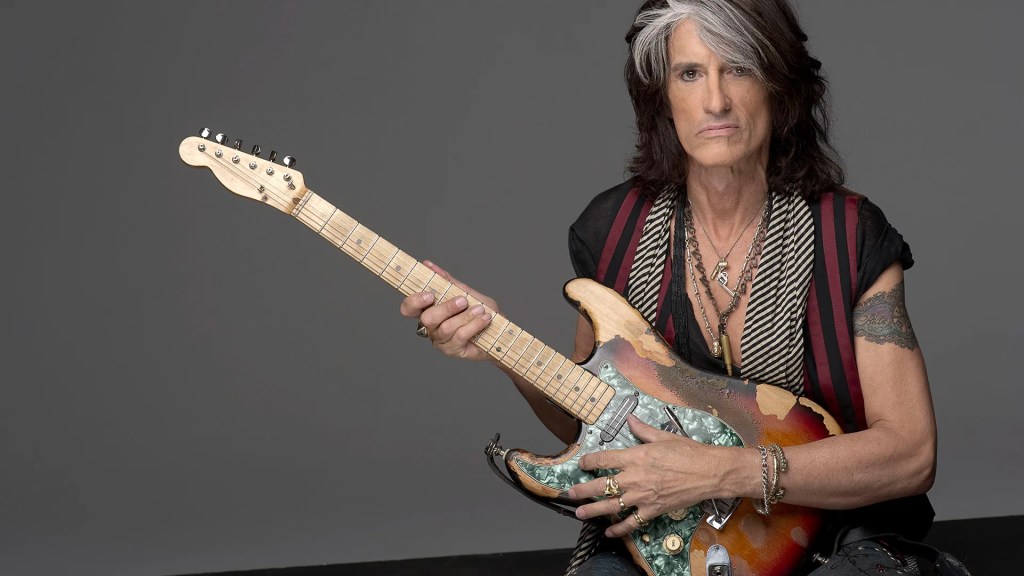
- “Walk This Way” – That riff? A funk-infused blues strut. The groove made it iconic. Run-DMC’s rework? Historic crossover.
- “Back in the Saddle” – A high-gain cowboy apocalypse. Perry uses open tunings and a B.C. Rich to create galloping doom.
- “Kings and Queens” – Shows his orchestral side. Layered guitar work, mournful slide, and chord voicings rarely used in hard rock.
- “Taste of India” – Uses sitar-like phrasing with exotic modal scales — a sign of his willingness to push rock’s boundaries.
VI. The Soul Behind the Swagger
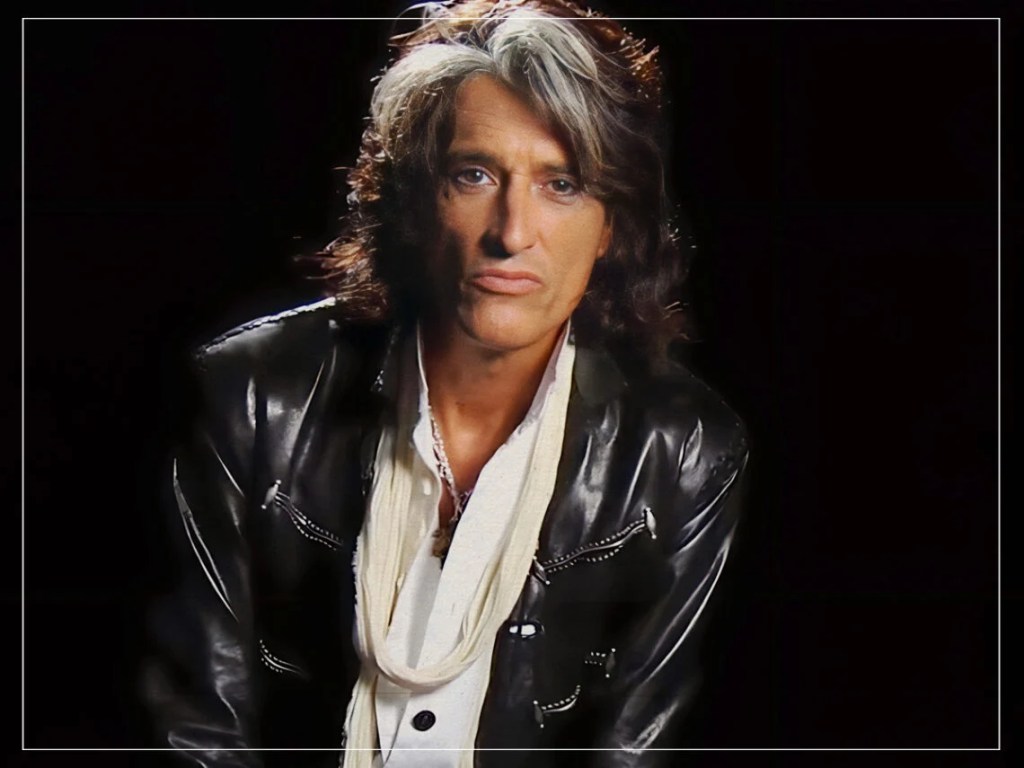
Offstage, Perry isn’t the leather-clad rock god stereotype. He’s soft-spoken. Reflective. A collector of vintage guns. A hot sauce entrepreneur. A sea turtle conservationist. His autobiography Rocks: My Life In and Out of Aerosmith peels back the myth to reveal a man driven more by passion than stardom.
In it, he’s honest: the drugs, the egos, the fights. But also the music, the brotherhood, and the joy of plugging a Les Paul into a Marshall and finding something new.
VII. Influence, Legacy, and the Myth of Simplicity
Perry doesn’t get enough credit in technical circles. Why? Because he doesn’t shred. But that’s missing the point. Joe Perry is economical. Every note counts. He bends time like Keef, slides like Duane, and holds a riff longer than you think is legal.
He’s cited by Slash, John Frusciante, Jack White, and even Metallica’s Kirk Hammett as an essential influence.
But maybe the best measure? His guitar playing isn’t just heard. It’s felt. It doesn’t ask your permission. It just kicks the door down.
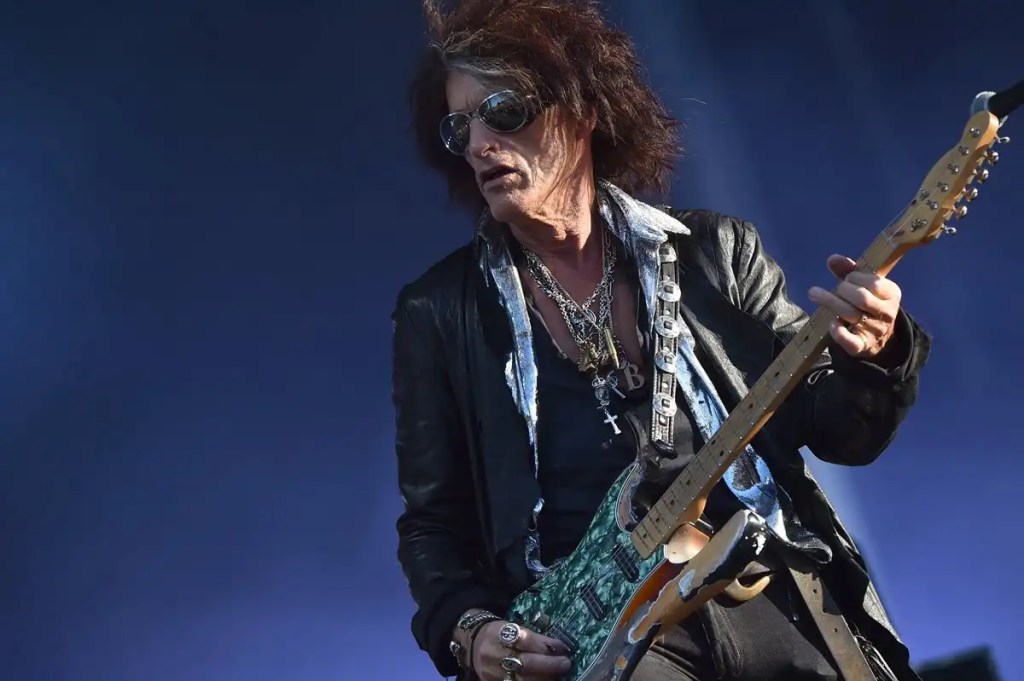
Conclusion: The Last True Guitar Hero?
In an age of AI-produced music and note-perfect clones, Joe Perry remains gloriously human. Slippery, flawed, bluesy, and unapologetically loud.
He doesn’t play the guitar. He converses with it — argues with it — coaxes it to snarl, weep, or strut depending on the song.
Perry is not just a great guitarist. He is the sound of American rock trying to stay dangerous. And it still works.
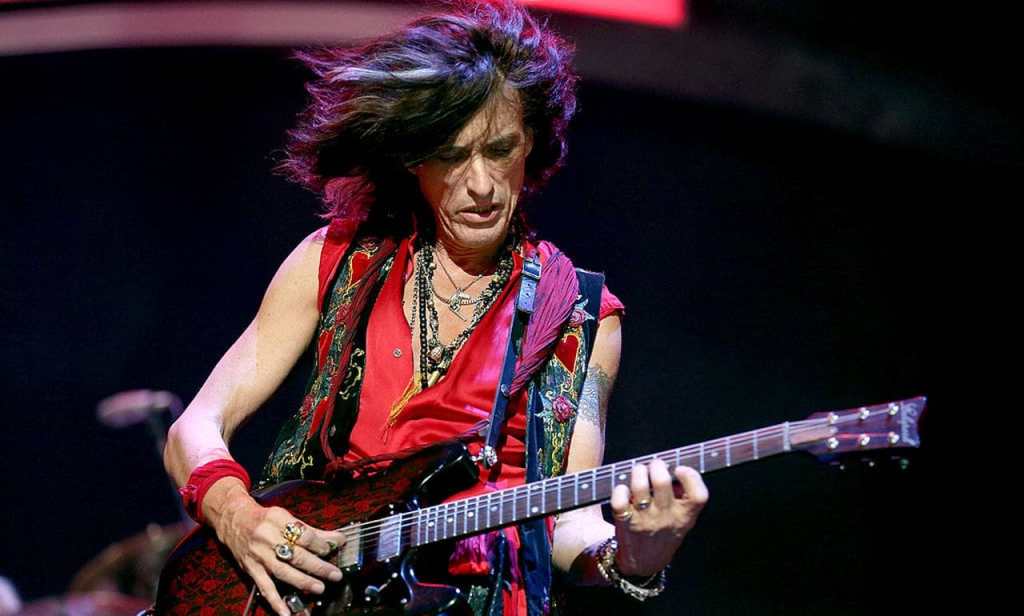
Bonus Track: 10 Facts About Joe Perry
- Musical Roots: Perry was influenced by the rock and roll and blues records he listened to in his youth.
- Signature Style: Known for his “Joe Perry Les Paul” guitars, which are among the many signature models he has inspired.
- Solo Projects: Has released solo albums that explore different sounds and showcase his versatility as a musician.
- Rock and Roll Hall of Fame: Inducted as a member of Aerosmith in 2001.
- Health Resilience: Has overcome significant health challenges, including a collapse on stage in 2016.
- Culinary Ventures: Co-owns a hot sauce brand, reflecting his passion for cooking.
- Environmental Advocacy: Engages in wildlife conservation efforts, especially concerning sea turtles.
- Family Life: Married to Billie Paulette Montgomery Perry, who has been a significant influence in his life.
- Fashion Icon: Known for his distinctive style, which has influenced rock fashion.
- Book Author: Released an autobiography, Rocks: My Life in and out of Aerosmith, detailing his experiences in music and life.
 oscaronguitars.com
Leave a comment