
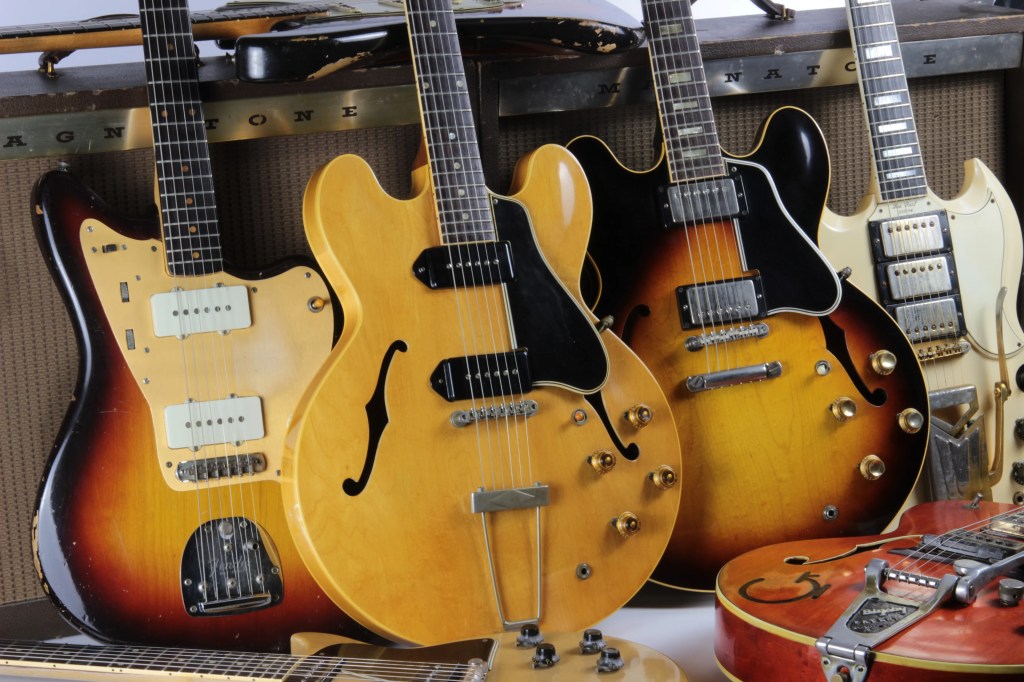
1. Understanding the Appeal of Rare and Vintage Guitars
Before you start hunting for rare and vintage guitars, it’s important to understand what makes these instruments so special.
Why Collect Vintage Guitars?
- Historical Significance: Vintage guitars are often tied to specific eras in music history, making them highly desirable for collectors who appreciate the legacy of iconic models and the musicians who played them.
- Unique Sound: Many vintage guitars have a distinct tonal quality that can’t be replicated by modern instruments, thanks to the aging of the wood and vintage craftsmanship.
- Investment Potential: Rare and vintage guitars can appreciate in value over time, especially if they’re well-maintained and have historical significance.
Key Factors That Influence Value:
- Rarity: The fewer examples of a guitar model that exist, the more valuable it tends to be. Limited production runs, discontinued models, and unique custom orders are particularly sought after.
- Condition: The overall condition of the guitar, including the originality of its parts, finish, and structural integrity, plays a major role in its value.
- Provenance: Guitars with a documented history, especially if they were owned or played by famous musicians, can command a premium price.
2. Where to Find Rare and Vintage Guitars
Finding rare and vintage guitars requires patience, knowledge, and a bit of luck. Here are some of the best places to start your search:
Specialty Guitar Shops:
- Vintage Guitar Stores: Specialty stores that focus on vintage and rare guitars are often the best places to find high-quality, well-documented instruments. These shops typically have knowledgeable staff who can provide valuable insights into the guitars they sell.
- High-End Guitar Boutiques: Some guitar boutiques specialize in rare and collectible instruments, offering a curated selection of vintage guitars. These stores often have connections with collectors and dealers, giving them access to exclusive pieces.
Online Marketplaces:
- Reverb: Reverb is a popular online marketplace for musicians, with a dedicated section for vintage guitars. The platform allows you to filter by brand, year, and condition, making it easier to find what you’re looking for.
- eBay: eBay can be a treasure trove for vintage guitars, but it’s also a place where you need to be cautious. Look for sellers with strong ratings and detailed descriptions, and be wary of deals that seem too good to be true.
- Specialized Forums and Groups: Joining online forums and social media groups dedicated to vintage guitars can connect you with fellow enthusiasts and collectors. These communities often have buy/sell/trade sections where members list rare instruments.
Guitar Shows and Expos:
- Vintage Guitar Shows: Guitar shows and expos often feature booths from dealers and private sellers who specialize in vintage instruments. These events provide a great opportunity to see and play a variety of guitars in person, and to network with other collectors.
- Music Conventions: Major music conventions like NAMM (National Association of Music Merchants) often include exhibits from vintage guitar dealers. While these events can be overwhelming, they’re also a chance to discover rare guitars and meet experts in the field.
Private Sales and Auctions:
- Estate Sales: Estate sales can sometimes yield unexpected finds, especially if the owner was a musician or collector. Keep an eye on local listings and be prepared to act quickly.
- Auctions: High-end auctions, both online and in-person, frequently feature rare and vintage guitars. Auction houses like Christie’s and Bonhams occasionally hold special auctions dedicated to musical instruments.
3. Assessing Authenticity: How to Avoid Fakes and Reproductions
One of the biggest challenges in buying rare and vintage guitars is ensuring their authenticity. Counterfeit instruments and cleverly disguised reproductions can deceive even experienced collectors.
Tips for Assessing Authenticity:
- Know the Details: Familiarize yourself with the specific characteristics of the guitar model you’re interested in, such as the correct serial number range, logo styles, hardware, and finish. These details can help you spot inconsistencies.
- Check the Serial Number: The serial number is often the first clue to a guitar’s authenticity. Use online resources or reference books to verify the serial number’s legitimacy and to confirm the guitar’s production year.
- Inspect the Hardware: Original hardware is a key indicator of a guitar’s authenticity. Look for signs of replacement or modification, such as mismatched screws, non-original pickups, or aftermarket tuners.
- Examine the Finish: Vintage guitars often show signs of natural aging, such as checking (cracks in the finish), yellowing, or wear patterns. Be cautious of guitars that look too pristine, as they might have been refinished or artificially aged.
- Request Documentation: Provenance is crucial when purchasing a rare or vintage guitar. Ask for any available documentation, such as original purchase receipts, appraisals, or repair records. Guitars with a clear, documented history are more likely to be authentic.
When to Seek Professional Help:
- Hire an Expert: If you’re considering a high-value purchase, it’s worth hiring a professional appraiser or luthier to inspect the guitar. They can provide an unbiased assessment of the instrument’s authenticity and condition.
- Get a Second Opinion: If something about the guitar seems off, don’t hesitate to seek a second opinion from another expert or trusted dealer.
4. Evaluating Condition and Playability
Once you’ve confirmed a guitar’s authenticity, it’s important to assess its condition and playability. A vintage guitar may have cosmetic wear, but it should still be structurally sound and playable.
What to Check:
- Neck Condition: Check for any signs of warping, twisting, or cracks. The neck should be straight with a comfortable action. Minor adjustments can often be made, but major neck issues can be costly to repair.
- Fret Wear: Inspect the frets for wear or grooves. While some fret wear is normal on vintage guitars, excessive wear may require a refret, which can affect the guitar’s value.
- Electronics: Test the pickups, pots, and switches to ensure they work properly. Scratchy pots or intermittent connections might need cleaning or replacement, but original electronics are often preferred by collectors.
- Body and Finish: Look for cracks, dings, or signs of previous repairs. While cosmetic wear can add to a guitar’s character, structural damage or poorly done repairs can significantly reduce its value.
- Playability: Most importantly, play the guitar! It should feel comfortable in your hands and produce the sound you’re looking for. If possible, play it through an amp to test its tonal qualities.
Understanding Wear and Patina:
- Natural Aging: Vintage guitars often have a patina that adds to their charm and value. Look for natural wear patterns, such as where the finish has worn away from years of playing.
- Refinishing: Be cautious of refinished guitars. While a refinish doesn’t necessarily ruin a guitar’s value, it can decrease it, especially if the original finish was iconic or rare.
5. Negotiating and Finalizing the Purchase
Once you’ve found the right guitar, it’s time to negotiate the price and finalize the purchase. This step requires a balance of knowledge, patience, and tact.
Negotiation Tips:
- Do Your Homework: Before making an offer, research recent sales of similar guitars to get an idea of the market value. This will give you a stronger position in negotiations.
- Be Polite and Reasonable: Negotiating doesn’t mean lowballing. Offer a fair price based on the guitar’s condition, rarity, and current market value. Being respectful in your approach can lead to better outcomes.
- Ask for Extras: If the price is firm, consider asking for additional items like a case, strings, or a setup to be included in the deal. These extras can add value to your purchase.
- Be Prepared to Walk Away: If the price isn’t right or if you have any doubts about the guitar’s authenticity or condition, don’t be afraid to walk away. There will always be other opportunities.
Finalizing the Purchase:
- Get It in Writing: Make sure you receive a detailed receipt that includes the guitar’s serial number, a description of its condition, and any guarantees or return policies.
- Consider Insurance: If you’re purchasing a high-value guitar, consider insuring it immediately. Many insurance companies offer policies specifically for musical instruments.
- Enjoy the Experience: Finally, enjoy the process of finding and owning a rare or vintage guitar. These instruments are not just tools; they’re pieces of musical history that you’ll treasure for years to come.
Conclusion: The Joy of Collecting Rare and Vintage Guitars
Finding and purchasing rare and vintage guitars can be an incredibly rewarding experience, both musically and personally. By understanding the market, knowing where to look, assessing authenticity, and carefully evaluating each instrument, you can build a collection that reflects your passion and appreciation for the art of guitar-making.
Happy hunting, and may your search lead you to the guitar of your dreams!
 oscaronguitars.com
Leave a comment