
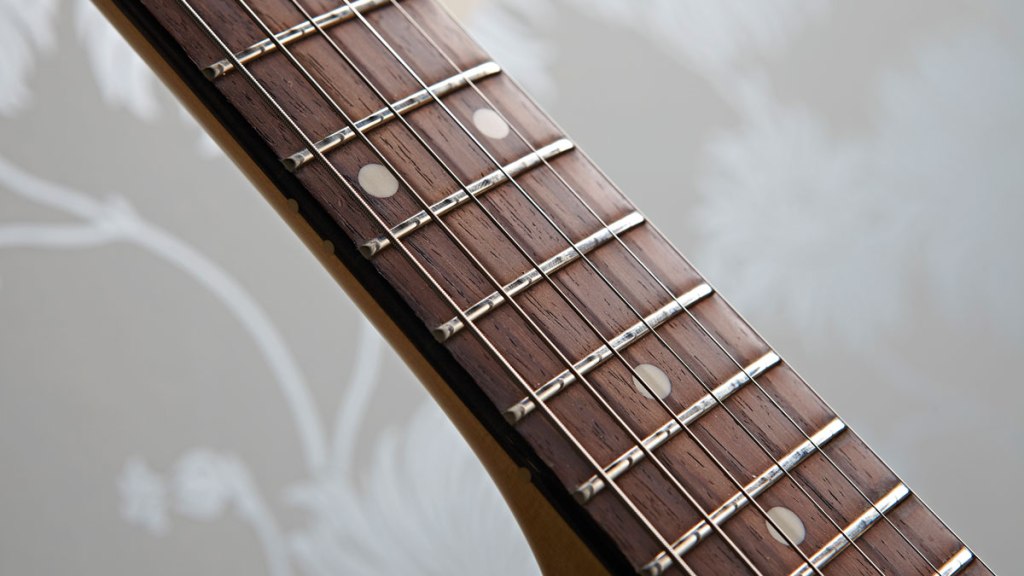
Frets are the unsung heroes of your guitar, the metal strips that bring your notes to life. The right frets can transform how your guitar feels, plays, and even sounds. Whether you’re curious about different types or wondering if it’s time for a refret, this guide breaks it all down.
What Are Frets and Why Do They Matter?
Frets are the metal wires embedded in your guitar’s fretboard. They define the notes and affect everything from playability to tone. The material, size, and shape of frets directly influence your playing style, string bending, and overall comfort.
Types of Frets
1. Standard Frets
Standard frets, often made of nickel-silver, are the go-to for most guitars. They come in various sizes but stick to a traditional feel.
Popular Brands: Jescar, Dunlop.
Pros:
- Familiar and widely used.
- Balanced tone and durability.
Cons:
- Nickel-silver frets wear faster with heavy use.
When to Upgrade: If your frets are deeply grooved or uneven, it’s time to consider a refret with better materials.
2. Jumbo Frets
Jumbo frets are taller and wider, making bending and vibrato easier. Perfect for players who want a modern, fast feel.
Popular Brands: Dunlop 6100, Jescar Jumbo.
Pros:
- Excellent for bending and shredding.
- Longer lifespan due to their size.
Cons:
- Can feel bulky for players used to vintage-style frets.
When to Upgrade: If you love big bends or play aggressively, jumbo frets can handle the wear and tear.
3. Medium Jumbo Frets
A happy medium, medium jumbo frets combine the versatility of standard frets with the comfort of jumbo frets.
Popular Brands: Dunlop 6150, Fender pre-installed frets.
Pros:
- Great balance between playability and control.
- Suitable for most playing styles.
Cons:
- Not as specialized as jumbo or vintage frets.
When to Upgrade: If you’re replacing frets and want something versatile, medium jumbo is a safe bet.
4. Stainless Steel Frets
Stainless steel frets are known for their durability and ultra-smooth feel. They’re gaining popularity among modern players.
Popular Brands: Jescar Stainless Steel, boutique luthier options.
Pros:
- Extremely long-lasting.
- Smooth surface enhances playability.
Cons:
- Harder to work with during installation.
- Slightly brighter tone, which may not suit all players.
When to Upgrade: If you’re refretting and want frets that last forever, stainless steel is the way to go.
5. Vintage-Style Frets
Vintage-style frets are narrow and low, ideal for players seeking an old-school feel or replicating classic guitars.
Popular Brands: Dunlop 6230.
Pros:
- Great for chord-heavy playing.
- Authentic vintage vibe.
Cons:
- Limited sustain and harder for bending.
When to Upgrade: If you’re restoring a vintage guitar or love the feel of classic instruments, these are the right choice.
Pros and Cons of Different Fret Materials
| Material | Tone | Durability | Playability |
|---|---|---|---|
| Nickel-Silver | Warm, balanced | Moderate | Familiar |
| Stainless Steel | Bright, clear | High | Ultra-smooth |
| EVO Gold | Warm, clear | High | Unique feel |
Tips for Maintaining and Upgrading Your Frets
- Keep Them Clean: Dirty frets can wear faster. Use a fretboard conditioner and polish regularly.
- Spot the Signs: Grooved, flat, or uneven frets are signs that you need a refret or fret leveling.
- Know Your Style: If you bend strings a lot, go for jumbo or stainless steel frets. For chord players, vintage styles work best.
- Hire a Pro: Fretwork requires precision. A professional luthier ensures perfect results.
- Experiment: Don’t be afraid to try different sizes and materials during a refret to find what suits your style.
When to Upgrade Your Frets
- Uneven Wear: If your frets have grooves or flat spots that affect playability, it’s time for a replacement.
- Buzzing Notes: Worn frets can cause buzzing or dead notes.
- Changing Styles: If your playing style has evolved, consider switching fret sizes or materials.
- Vintage Restorations: Period-correct frets complete the look and feel of a classic guitar.
Conclusion
Frets are the foundation of your guitar’s playability and tone. Whether you’re sticking with traditional nickel-silver or diving into the world of stainless steel, choosing the right frets makes a world of difference. Keep your guitar in top shape and let your fingers do the talking!
 oscaronguitars.com
Leave a comment