

Kirk Hammett’s name is etched into the steel framework of heavy metal history—not with brute force, but with finesse, emotion, and relentless curiosity. Born on November 18, 1962, in San Francisco, Hammett is more than Metallica’s lead guitarist. He is the band’s emotional translator, the one who makes riffs bleed, solos cry, and feedback sing.
Many think of Metallica as a freight train of aggression—and fair enough. But what gives the band’s crushing weight a sense of flight is Hammett’s soaring lead guitar work. And that’s no accident. He didn’t just join Metallica. He helped reforge it.
From Exodus to Evolution
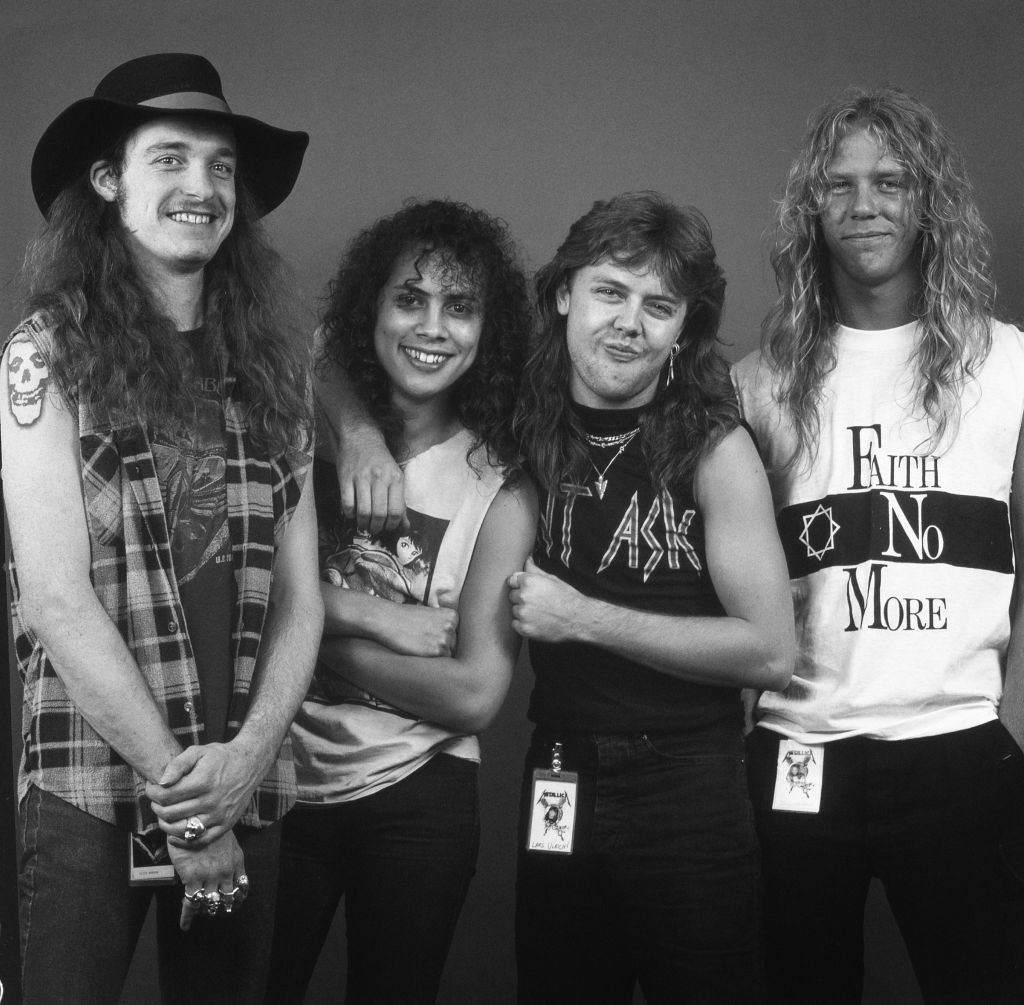
Before stepping into the Metallica machine in 1983, Hammett was already part of the Bay Area’s burgeoning thrash scene with Exodus, a band he helped co-found. But fate (and Dave Mustaine’s departure) cleared a path for him to join Metallica just in time for Kill ‘Em All. Within days, he was on the road, learning and evolving at hyperspeed.
He didn’t just fill a gap—he recalibrated Metallica’s trajectory. Where Mustaine had raw aggression, Hammett brought elegance without sacrificing edge. His phrasing, sense of space, and ear for drama turned good songs into epics.

The Architect of Metallica’s Emotional Core
Hammett’s fingerprints are all over Metallica’s golden-era albums—Ride the Lightning, Master of Puppets, …And Justice for All, and the self-titled Black Album. But his genius isn’t just in technical prowess; it’s in tone, timing, and texture.
- “Fade to Black” begins with haunting melodic lines that evolve into a solo of aching catharsis. It’s not about shredding—it’s about feeling.
- “Master of Puppets” showcases Hammett at full gallop, each note surgically placed in the chaos.
- “One” is almost cinematic, progressing from clean arpeggios to scorched-earth speed runs.
- “Enter Sandman”, though more radio-friendly, thrives on Hammett’s smart, singable solo that still keeps the edge sharp.
He doesn’t just solo over Metallica songs. He talks to them.
Technique and Gear: The Hammett Formula
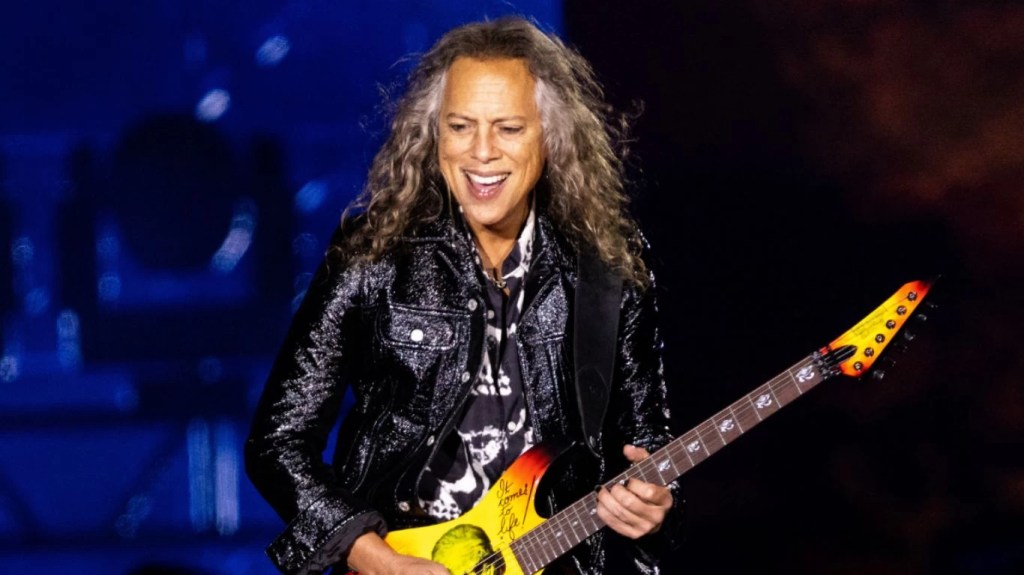
Few players are as synonymous with the wah pedal as Kirk Hammett. Critics may call it a crutch, but in his hands, it becomes a paintbrush—dousing his solos in color and human nuance.
His arsenal has evolved, but some tools remain sacred:
- ESP KH Signature Guitars: Equipped with EMG 81/60 pickups for crushing gain without losing clarity.
- Mesa/Boogie Amps: Punchy, dark, and tight—perfect for Metallica’s machine-gun riffing.
- Wah Pedal: Think of it as Hammett’s vocal cord, expressing subtle shifts in emotion mid-run.
- Techniques: Economy picking, modal runs (especially Phrygian dominant), and his comfort zone—the minor pentatonic—have all become part of his signature language.
But his true superpower? Balancing virtuosity with storytelling. Even when shredding, Hammett never loses the thread of the song’s emotion.
The Horror, the Comics, the Collector
Hammett isn’t just a guitarist—he’s a storyteller in every medium he touches. An obsessive fan of horror films since childhood, he’s amassed one of the largest private collections of vintage horror memorabilia on the planet. This obsession isn’t a hobby—it’s another language in which he expresses himself.
He curated his own art exhibition, It’s Alive!, featuring original posters and props from classic horror. He’s also published books on the subject and co-created horror-themed comics. The themes of dread, struggle, and catharsis mirror his work with Metallica. Fear, like distortion, is just another tone.
The Quiet Revolutionary
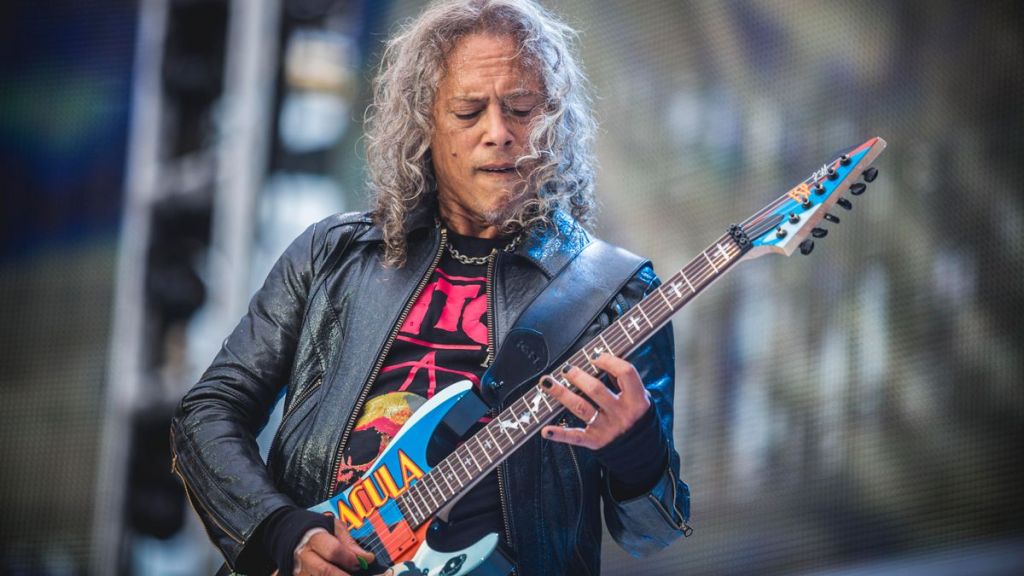
Unlike frontmen or flamboyant shredders, Hammett is low-key. But don’t mistake introversion for irrelevance. His influence is immense:
- Helped shape the melodic side of thrash metal.
- Inspired generations of guitarists to seek balance between aggression and expression.
- Broke technical ground while keeping musicality front and center.
Through his participation in Metallica’s All Within My Hands Foundation, he has also embraced philanthropy, using his fame for education, disaster relief, and community development. This is a man who wields both a Les Paul and a sense of responsibility.

The Evolution Continues
In recent years, Hammett has been stretching. You can hear him experimenting more—dabbling in blues phrasing, unorthodox scales, and off-kilter note choices. He’s even spoken publicly about battling creative self-doubt and the fear of stagnation, especially after famously losing an iPhone containing hundreds of riffs.
Yet from these ashes, new sparks emerge. In 2022, Hammett released Portals, a solo instrumental EP that wandered through classical, horror, and cinematic influences. It’s moody, strange, and gorgeous—another side of a man we thought we knew.
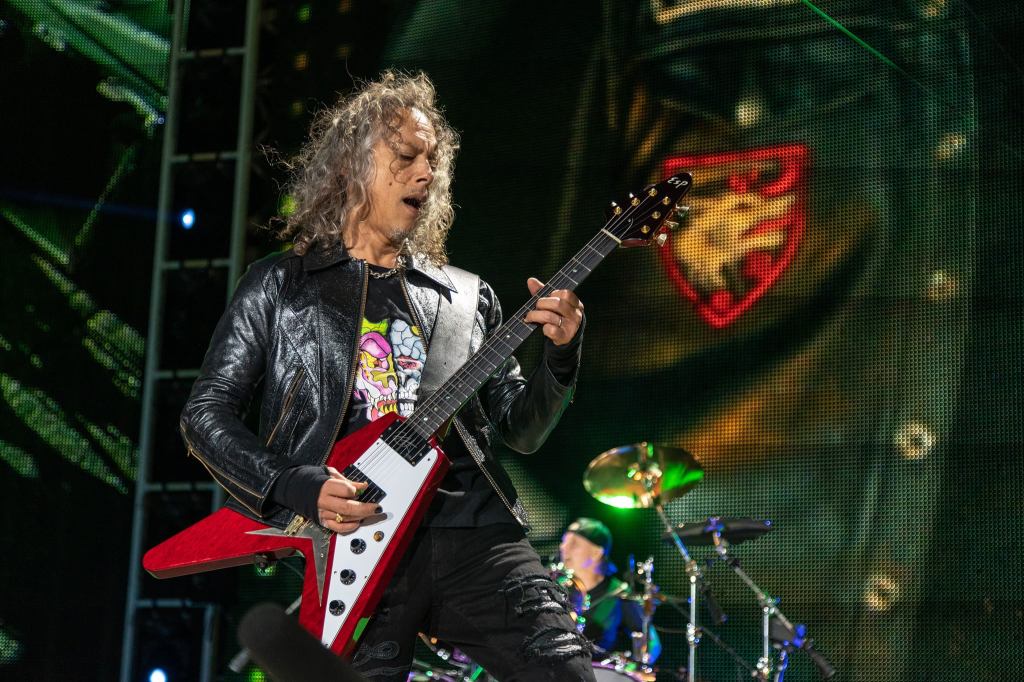
Conclusion: More Than Just a Guitarist
Kirk Hammett is not the loudest member of Metallica, nor the most technically flamboyant guitarist in metal. But he might be the most emotionally articulate. His solos don’t just scream—they speak. And in a genre often misunderstood as all rage and thunder, that’s no small feat.
He turned Metallica into more than just a machine of power riffs. He made it breathe, weep, soar. And for that, he is not just a thrash metal legend. He is one of rock’s most vital and enduring voices.

Bonus Track: 10 Lesser-Known Facts About Kirk Hammett
- Martial Artist: Holds a black belt in Kenpo Karate.
- Bookworm: Avid reader of philosophy, horror fiction, and comic books.
- Lost Treasure: Once lost over 250 song ideas stored on an iPhone that wasn’t backed up.
- Gear Nerd: Has owned over 100 guitars—many customized with horror motifs.
- Surf’s Up: Is passionate about surfing and often catches waves in Hawaii.
- First Guitar: A Montgomery Ward catalog guitar bought at age 15.
- Jazz Dabbler: Took jazz guitar lessons to expand his musical vocabulary.
- Vinyl Addict: Owns thousands of records, ranging from Coltrane to Celtic Frost.
- Reclusive Artist: Often paints or draws in private, rarely sharing his visual art.
- Family Man: Despite the metal lifestyle, he prioritizes his family and keeps a relatively quiet private life.
 oscaronguitars.com
Leave a comment