
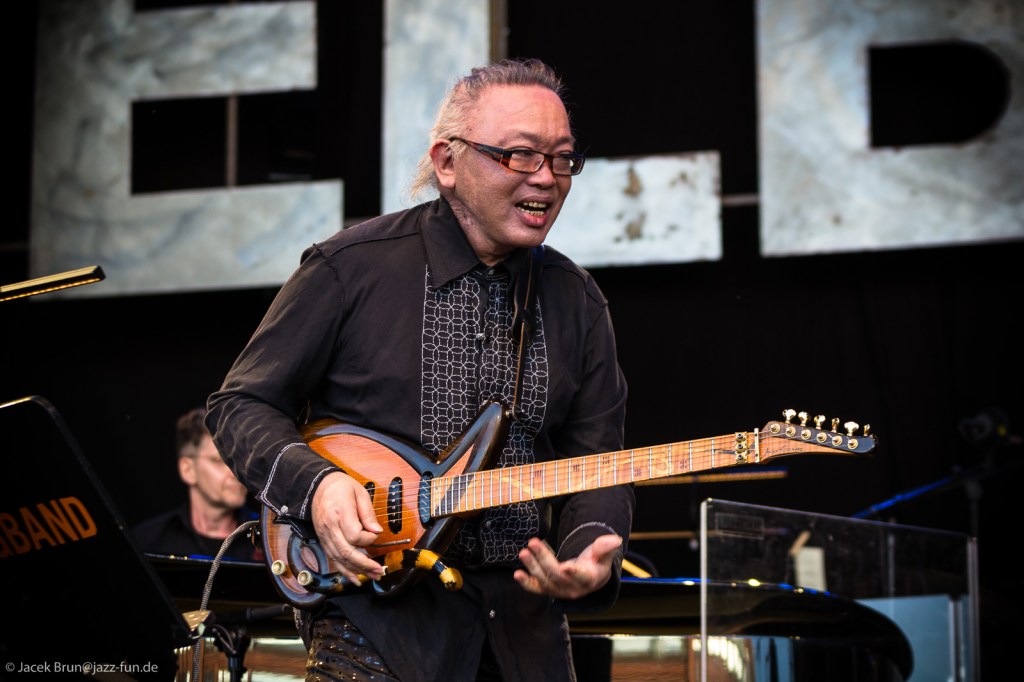
Nguyên Lê is one of the most innovative and versatile guitarists in the world today. Born in Paris to Vietnamese parents, Lê’s unique cultural background and musical experiences have shaped his distinctive style. With a career spanning over three decades, he has become a leading figure in the global fusion scene, blending jazz, world music, rock, and traditional Vietnamese sounds. His ability to fuse genres, explore new sound textures, and push the boundaries of guitar playing has earned him widespread recognition and a dedicated following.
In this article, we’ll explore Nguyên Lê’s musical journey, his innovative approach to guitar playing, his most important works, and his influence on contemporary jazz and fusion.
Early Life and Musical Influences
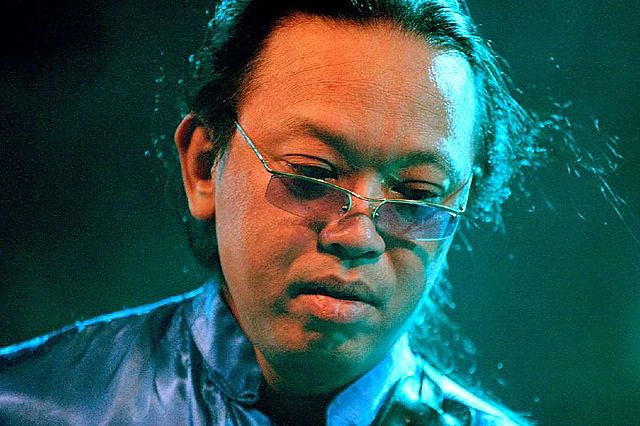
Nguyên Lê was born in Paris in 1959, and his early exposure to music was shaped by his Vietnamese heritage. His parents, both musicians, introduced him to a wide range of traditional Vietnamese music, while the vibrant cultural scene of Paris provided access to various genres, from classical music to contemporary jazz and rock. This eclectic upbringing would become a hallmark of Lê’s musical identity.
Initially, Lê was drawn to the piano, but his passion for the guitar developed as he became more immersed in the world of jazz and rock. Influenced by the likes of Jimi Hendrix, John McLaughlin, and guitarists from the Vietnamese traditional music scene, Lê began to explore the electric guitar’s full potential. He studied at the Conservatoire de Paris, where he honed his technical skills while simultaneously developing a deep interest in blending Western and Eastern musical traditions.
Nguyên Lê’s Fusion Style: A Global Sound
Nguyên Lê is widely regarded for his ability to seamlessly blend different musical styles and traditions. His work transcends the boundaries of jazz, rock, and world music, creating a fusion sound that is both unique and innovative. Here are some of the defining characteristics of his musical approach:
1. Cultural Fusion
One of Lê’s signature characteristics is his ability to blend his Vietnamese roots with Western jazz and rock. His guitar playing often incorporates traditional Vietnamese scales, melodies, and rhythms, while also drawing from jazz improvisation and modern harmonic concepts. This combination of cultural influences gives his music a unique flavor, where Eastern sounds are intertwined with Western musical forms.
2. Textural Experimentation
Lê is known for his bold and experimental approach to guitar tone. He frequently uses a wide range of effects pedals, delay, reverb, and distortion to shape his sound. His explorations in tone allow him to create everything from lush, atmospheric soundscapes to aggressive, distorted guitar lines. This experimentation with sound textures plays a crucial role in the fusion of genres in his music, allowing him to create a wide variety of sonic landscapes.
3. Rhythmic Innovation
Rhythm is central to Nguyên Lê’s musical identity. He is highly adept at navigating complex time signatures and rhythms, often incorporating polyrhythms and syncopation into his compositions. Drawing inspiration from both traditional Vietnamese rhythms and jazz, Lê creates dynamic and unpredictable rhythmic patterns that keep listeners engaged. His rhythmic sense is further enhanced by his collaborations with drummers from various musical traditions, allowing him to explore and expand the boundaries of rhythm in fusion music.
4. Jazz Improvisation Meets World Music
Lê’s background in jazz improvisation is evident in his spontaneous and dynamic guitar solos. However, what sets him apart is how he blends this improvisatory nature with the melodic and structural elements of world music. His improvisation is not limited to traditional jazz structures but often takes on a more global approach, incorporating Eastern scales and tonalities into his soloing style. His ability to improvise fluidly across cultural and musical lines makes him an exciting and unpredictable performer.
5. Guitar Techniques and Virtuosity
Nguyên Lê’s guitar playing is marked by technical mastery and an ability to create intricate, expressive melodies. His virtuosic technique includes advanced fingerpicking, fast alternate picking, and the use of slides, bends, and legato to create smooth, fluid lines. His sound can range from clean, smooth melodic passages to intense, rapid-fire solos full of energy and technical complexity.
Notable Albums and Projects
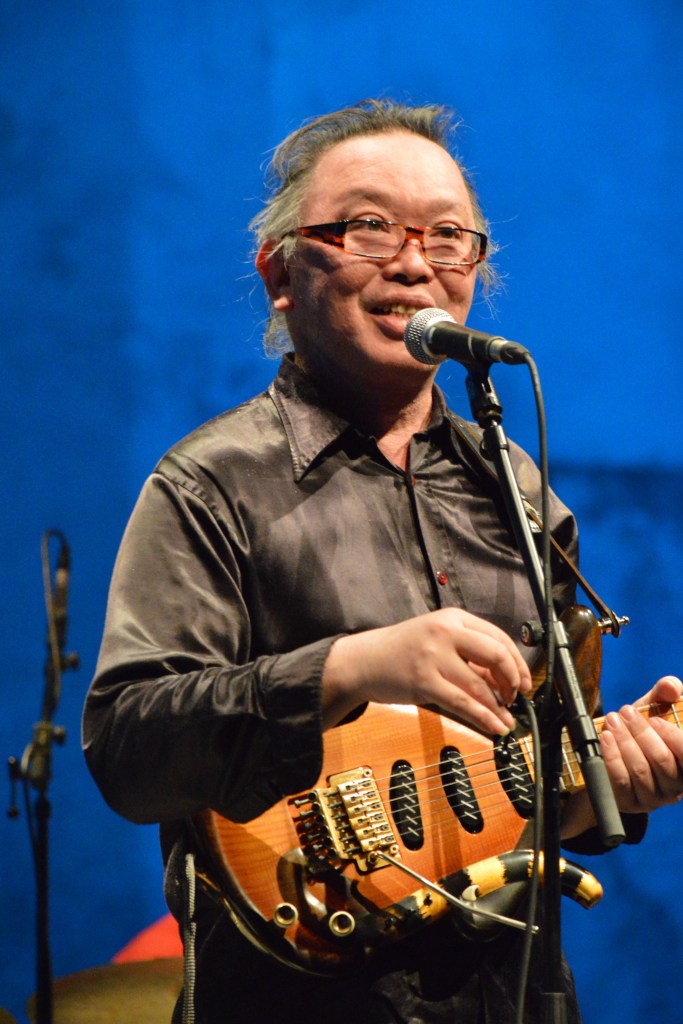
Nguyên Lê’s extensive discography reflects his eclectic approach to music, with numerous albums that highlight his fusion of jazz, world music, and rock. Some of his most notable works include:
1. “Tales from Vietnam” (1997)
Tales from Vietnam is one of Lê’s most important albums, as it showcases his ability to blend the sounds of Vietnam with Western jazz. The album incorporates traditional Vietnamese instruments like the đàn tranh (a traditional zither) and the đàn bầu (a monochord instrument), alongside electric guitar and jazz rhythms. The result is a unique sound that bridges the gap between Eastern and Western music in a truly original way. The title track “Tales from Vietnam” is a standout example of this fusion, with Lê’s guitar playing weaving in and out of traditional Vietnamese melodies.
2. “The Magic of 8” (2000)
The Magic of 8 is a continuation of Lê’s exploration of world fusion, combining jazz with elements of both Vietnamese and African music. The album features intricate guitar lines, vibrant rhythms, and powerful improvisations that reflect Lê’s ongoing interest in blending global influences. Tracks like “Desert Wind” and “The Magic of 8” showcase his virtuosic technique and ability to push the boundaries of jazz and world fusion.
3. “Mahanada” (2005)
Mahanada is an album that further explores the fusion of Eastern and Western musical traditions. The album combines the complex rhythms and melodies of Indian music with jazz improvisation, and Lê’s guitar playing is at the forefront of the project. His ability to incorporate Indian ragas into his solos is a testament to his versatility and his deep understanding of world music traditions. “Mahanada” and “The Indian Ocean” are standout tracks that blend Indian scales with jazz harmony.
4. “Songs of Freedom” (2011)
Songs of Freedom explores Lê’s fascination with global jazz fusion, focusing on the themes of liberation and self-expression. The album features a more experimental sound, incorporating electronic elements and a broader range of influences. Tracks like “City Lights” and “Freedom” feature Lê’s signature guitar work, blending complex rhythms, world music influences, and jazz improvisation.
5. “Nguyên Lê Trio” (2017)
In Nguyên Lê Trio, Lê goes back to his jazz roots, offering a fresh take on the jazz trio format. Featuring bassist Stéphane Kerecki and drummer François Merville, the album explores a wide range of jazz idioms, from free jazz to more structured compositions. Lê’s guitar work here is sharp, fluid, and dynamic, demonstrating his ongoing ability to meld genres and push the boundaries of traditional jazz.
Legacy and Influence
Nguyên Lê’s influence extends far beyond his music. As one of the foremost pioneers of fusion, he has inspired countless musicians to explore the blending of different genres and to look outside the Western canon of jazz. His work has contributed significantly to the global jazz movement, particularly in introducing new rhythms, tonalities, and instrumentation from the East to Western jazz listeners.
He is also an educator, passing on his knowledge of fusion, world music, and jazz guitar to the next generation of musicians. Lê’s ability to incorporate cultural elements into his music while maintaining a modern jazz sensibility has made him a role model for guitarists interested in breaking free from genre constraints.
Conclusion
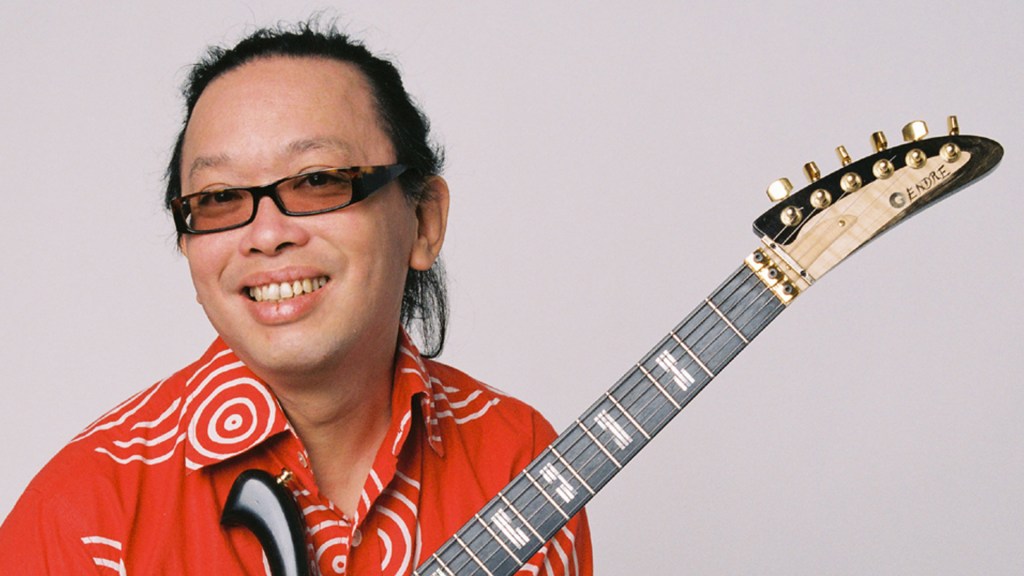
Nguyên Lê is an exceptional guitarist whose ability to fuse world music, jazz, and rock into a seamless sound has set him apart as one of the leading figures in contemporary music. His groundbreaking approach to the guitar—marked by a deep appreciation of Eastern traditions, experimental textures, and intricate rhythmic structures—has redefined what is possible in the fusion genre. As he continues to innovate and inspire, Lê’s influence on modern jazz and fusion guitar will remain profound for years to come.
 oscaronguitars.com
Leave a comment