
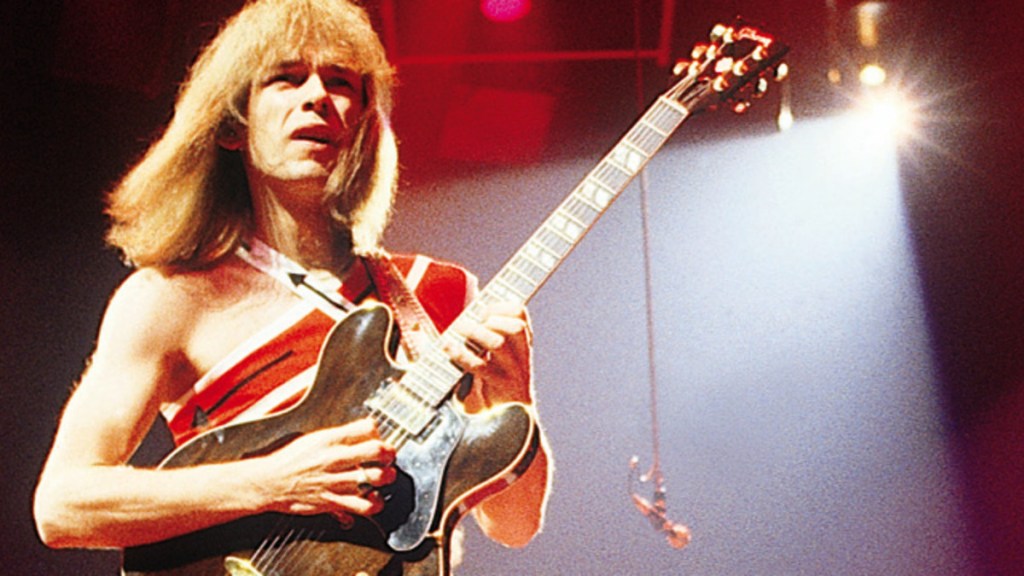
In the vast universe of rock guitarists, few have left an imprint as intricate and lasting as Steve Howe. Born in Holloway, London, on April 8, 1947, Howe is not just a player—he’s a craftsman, a composer, and a sonic storyteller. Best known for his pioneering work with Yes, Howe didn’t merely join the progressive rock movement—he helped define its very language.
What sets Howe apart isn’t speed or volume, but something rarer: the ability to traverse genres with elegance, bringing classical, jazz, country, and rock idioms together into something utterly his own. His sound is both cerebral and emotive, technically astounding and melodically rich. In a genre known for complexity, Steve Howe stands as its clearest voice.
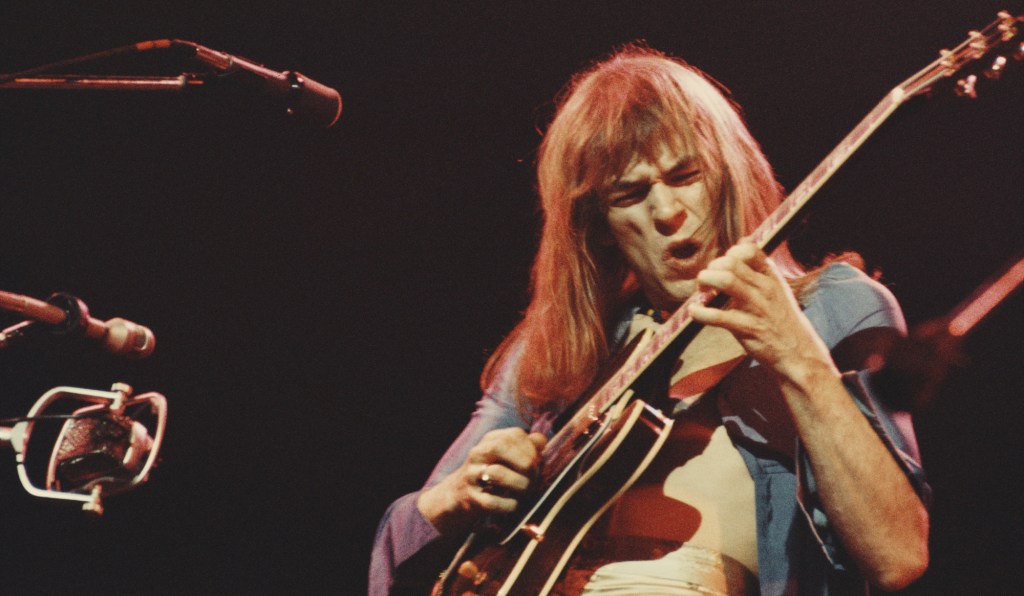
Early Days: London’s Clubs and the Long Road to Yes
Howe picked up the guitar at age 12, inspired by skiffle, early rock ’n’ roll, and the rising tide of British blues. He studied Chet Atkins’ fingerpicking, absorbed jazz from Wes Montgomery, and drew melodic ideas from classical composers. By his late teens, he was playing professionally, cutting his teeth with bands like The Syndicats and Tomorrow—a psychedelic outfit that opened for Pink Floyd and The Jimi Hendrix Experience.
But it wasn’t until 1970, when he joined Yes, that his unique musical personality found a platform large enough to contain it.

Yes: A Canvas for Sonic Exploration
Howe’s arrival in Yes coincided with a creative explosion that redefined what rock could be. His debut with the band, The Yes Album (1971), immediately signaled a shift—layered compositions, sophisticated structures, and a guitar voice that could be both thunderous and tender.
Key Contributions:
- “Yours Is No Disgrace” – From the opening riff to the cascading solo passages, Howe injects musicality into every bar, eschewing clichés in favor of narrative playing.
- “Starship Trooper” – The climactic “Würm” section is a live favorite, driven by Howe’s hypnotic, harmonically rich phrasing.
- “Roundabout” – The acoustic intro alone is a masterclass in rhythmic feel and articulation, while the electric parts mesh seamlessly with Chris Squire’s bass.
- “Close to the Edge” – A 19-minute opus, with Howe leading a sonic journey through movements that reference classical suites, jazz improvisation, and rock dynamism.
Yes’s music became a theater of ideas, and Howe was both lead actor and set designer.

Style and Technique: Beyond the Pick
Howe’s technique is as eclectic as his musical palette. He often plays with his fingers rather than a pick, allowing for a softer attack, fuller tone, and greater independence between strings. His ability to seamlessly switch between nylon-string classical guitars, electric hollow-bodies, pedal steel, and even Portuguese instruments is virtually unmatched in rock.
Signature Elements of His Style:
- Hybrid fingerstyle playing
- Use of exotic scales and modulations
- Counterpoint and voice-leading in solos
- Slide and pedal steel integration
- Rhythmic displacement and phrasing
- Dynamic control over tone—clean, articulate, never cluttered

Guitars and Gear: A Luthier’s Dream
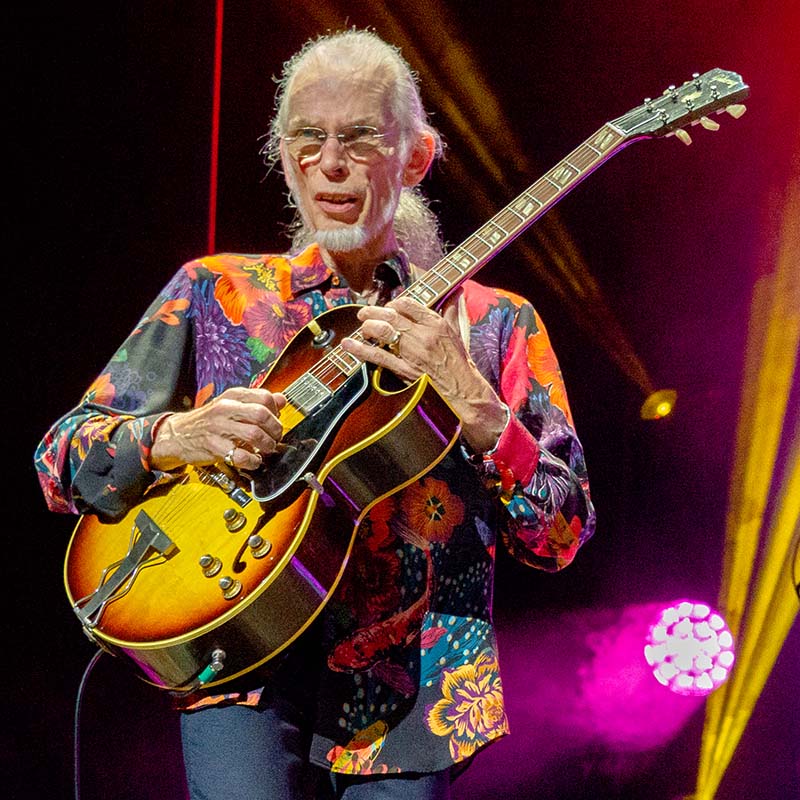
Few guitarists are as closely associated with their gear as Steve Howe. He doesn’t just play guitars—he curates them like a museum collection. His most iconic guitar is the Gibson ES-175, a jazz box more common in smoky lounges than rock stages. Yet in Howe’s hands, it roared, danced, and whispered.
Notable Guitars:
- Gibson ES-175 – His main electric guitar, featured on most classic Yes albums.
- Martin 00-18 – A key part of his acoustic sound.
- Steinberger and Fender Telecasters – Used for clarity and attack in ensemble settings.
- Classical guitars (Ramírez, Kohno) – For intricate solo compositions.
- Pedal Steel and Lap Steel – Adding textural color to pieces like “To Be Over.”
He’s also known for using Line 6 processors, Vox and Fender amps, and custom effects to preserve the integrity of each guitar’s natural tone.
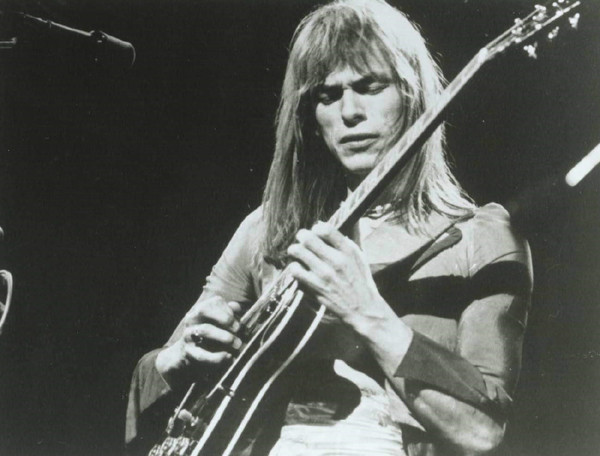
Beyond Yes: Asia, GTR, and Solo Mastery
When Yes fragmented in the early ’80s, Howe co-founded Asia, a prog-pop supergroup with Geoff Downes, Carl Palmer, and John Wetton. Their 1982 self-titled debut was a commercial juggernaut, going multi-platinum thanks to tracks like “Heat of the Moment.” Though the music leaned more AOR than prog, Howe’s playing remained lyrical and refined.
In the mid-’80s, he formed GTR with Genesis guitarist Steve Hackett, blending virtuosic playing with radio-friendly hooks.
Parallel to his band work, Howe has maintained a prolific solo career. Albums like Beginnings (1975), Turbulence (1991), and Time (2011) explore classical guitar, jazz fusion, and meditative compositions. His solo acoustic shows are legendary for their intimacy and precision.

Influence: A Guitarist’s Guitarist
Steve Howe is not just an icon—he’s an educator by example. From jazz-trained musicians to metal virtuosos, players across genres cite him as a major influence.
Accolades:
- Voted Best Overall Guitarist five consecutive years by Guitar Player magazine (1977–1981).
- Inducted into the Rock and Roll Hall of Fame with Yes in 2017.
- Revered by modern prog players like John Petrucci, Steven Wilson, and Guthrie Govan.
His music shows that technical brilliance is only powerful when paired with imagination.
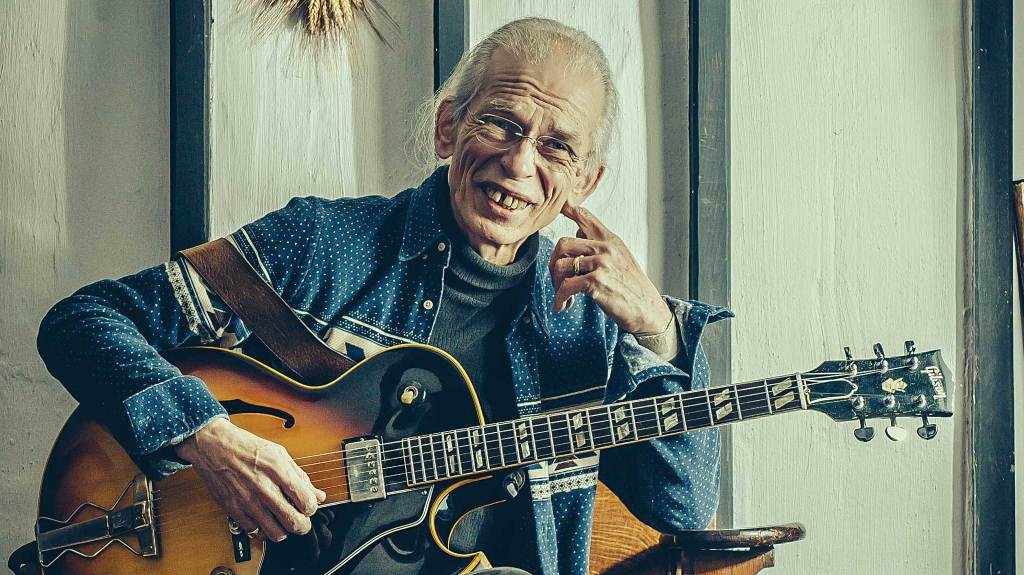
Personal Life and Passions
Howe’s life offstage mirrors his creative intensity. A committed vegetarian and environmental advocate, he often speaks about living harmoniously with nature. He’s also a dedicated photographer, finding visual metaphors for his sonic explorations.
His family includes several musicians, most notably Dylan Howe, a respected jazz drummer who often joins him on tour and recordings.
10 Essential Steve Howe Facts
- First Guitar: A second-hand F-hole acoustic bought at age 12.
- Photography Hobby: Passionate about shooting landscapes and still life.
- Vegetarian Since the ’70s: Advocates for ethical eating and mindfulness.
- Over 100 Guitars: A lifelong collector of rare and vintage instruments.
- Classical Composer: Writes original classical suites for solo guitar.
- Asia Co-founder: Helped create one of the 1980s’ most successful rock bands.
- Lap Steel Mastery: Integrates Hawaiian-style tones into complex prog arrangements.
- Award Magnet: Multiple Guitar Player magazine wins.
- Rock Hall Inductee: Finally recognized with Yes in 2017.
- Still Touring: Continues to perform and record well into his 70s.
Conclusion: The Craftsman Who Redefined the Guitar
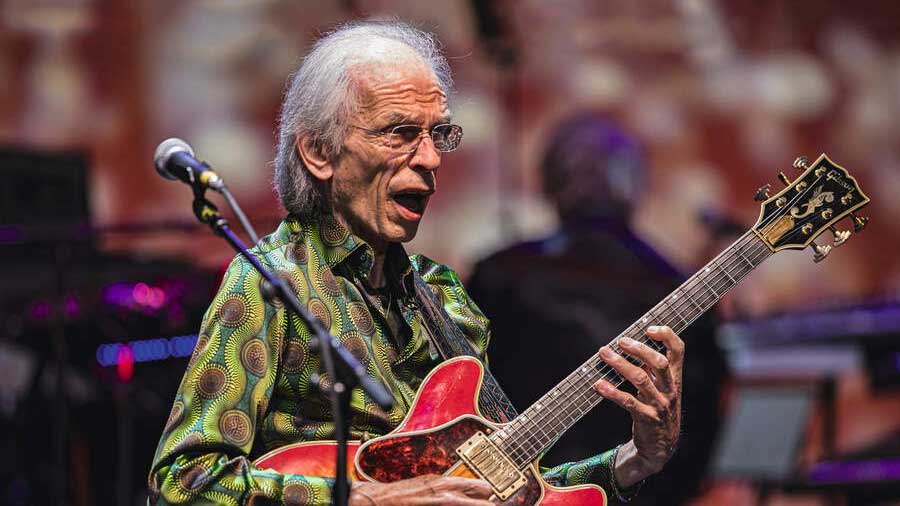
Steve Howe is a rare breed: a guitarist who made complexity sound beautiful, who brought intellect and heart into balance. His contributions to Yes helped elevate progressive rock from a genre into an art form. But his true legacy lies in his relentless pursuit of musical excellence—never satisfied, always exploring.
In a world of copy-paste guitar heroes, Steve Howe remains unmistakably himself: a student of tradition, a shaper of futures, and one of the greatest sonic architects rock music has ever known.

 oscaronguitars.com
Leave a comment