
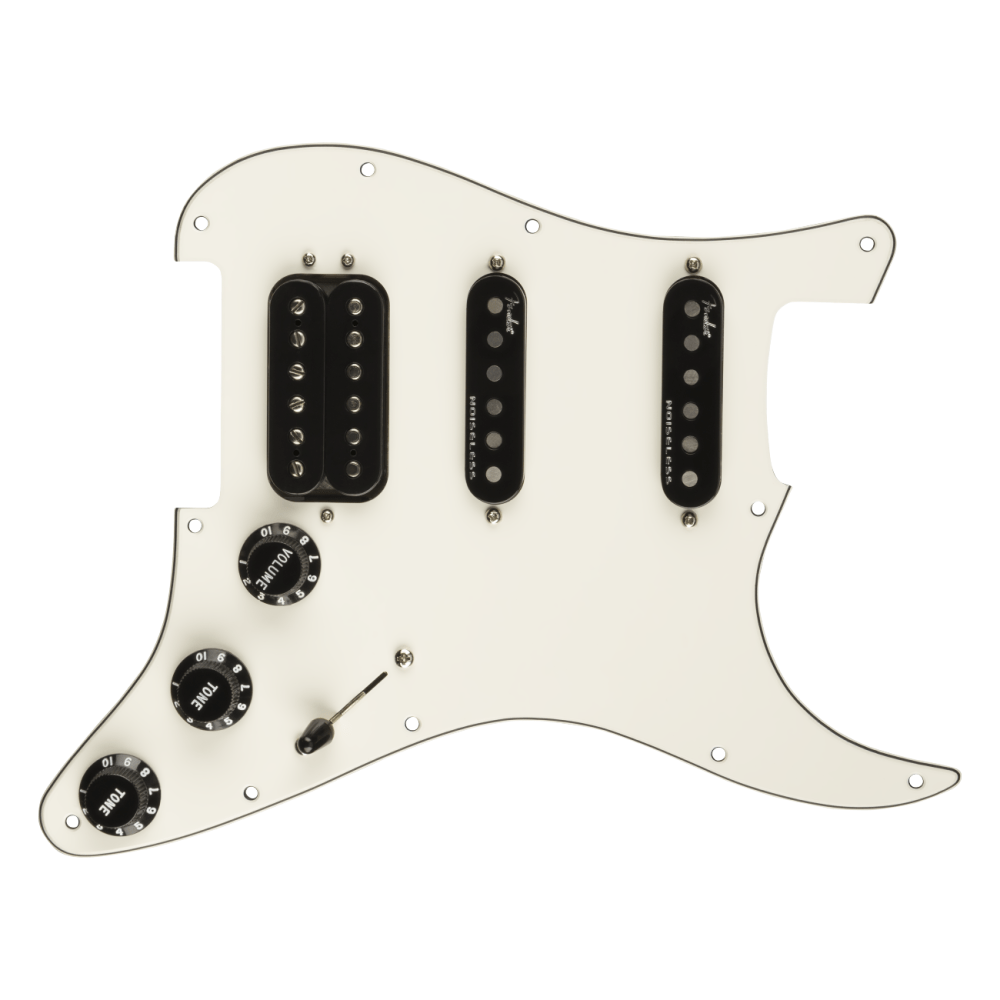
When you think of a guitar, you probably picture its sleek body, beautiful curves, and iconic shape—but have you ever thought about the pickguard? This humble yet essential component protects your guitar’s finish from scratches and dings while adding a touch of personality. Whether you’re looking to replace your worn-out pickguard or want to personalize your instrument, there’s a lot to consider when choosing the right one. Let’s dive into the world of pickguards and explore the types, materials, pros and cons, and how to choose the right one for your guitar.
What Is a Pickguard?
A pickguard is a piece of material attached to the body of the guitar, typically placed beneath the strings and around the pick area. Its primary job is to protect the guitar’s finish from scratches, dents, and damage caused by picks, fingernails, or your strumming hand. But pickguards aren’t just functional—they’re also a way to add your personal touch to your guitar’s appearance.
Types of Pickguards
1. Plastic Pickguards
Plastic pickguards are by far the most common, especially on electric guitars. They’re lightweight, affordable, and come in various colors and designs to fit different styles.
Popular Brands: Fender, Gibson, Ibanez (on many models).
Pros:
- Inexpensive and widely available.
- Variety of colors and designs, from classic tortoiseshell to bold, custom options.
- Easy to replace or customize.
Cons:
- Can get scratched or cracked over time.
- Might feel less premium compared to other materials like metal or wood.
When to Upgrade: If your pickguard is worn out or if you want to refresh your guitar’s look, replacing it with a more durable or unique design can give your guitar a new personality.
2. Wooden Pickguards
Wooden pickguards bring a vintage, classic vibe to your guitar. Made from materials like maple, rosewood, or mahogany, these pickguards offer a natural aesthetic and work particularly well with acoustic and hollow-body guitars.
Popular Brands: Taylor, Martin, Gretsch (often used on acoustic guitars).
Pros:
- Adds a natural, vintage look.
- Can be custom-made to fit your guitar perfectly.
- Durable and long-lasting.
Cons:
- Heavier than plastic.
- More expensive and harder to replace if damaged.
- Limited color and design options.
When to Upgrade: Wooden pickguards are ideal for acoustic or vintage-style guitars, offering a natural and traditional appearance. Upgrade if you’re after a more classy, timeless look.
3. Metal Pickguards
Metal pickguards, often made from aluminum or stainless steel, are a more premium option. They offer excellent durability, a sleek, modern look, and increased protection against scratches.
Popular Brands: Fender, Gibson (on high-end models like the Les Paul Custom).
Pros:
- Extremely durable and scratch-resistant.
- Adds a modern, sleek look to your guitar.
- Often used on high-end guitars or for unique, custom designs.
Cons:
- Heavier than plastic or wood.
- Can be more expensive.
- Some players may find the extra weight uncomfortable.
When to Upgrade: If you’re looking for maximum protection or want to achieve a unique, bold look, a metal pickguard is an excellent choice.
4. Custom/Printed Pickguards
For those who want to make a statement, custom or printed pickguards are the way to go. You can design your own graphics, artwork, or even upload photos to create a truly one-of-a-kind look.
Popular Brands: Custom shops, Etsy sellers, and independent luthiers.
Pros:
- Completely customizable to reflect your personal style.
- A great way to make your guitar stand out.
- Can be fun and creative.
Cons:
- Can be more expensive than standard pickguards.
- Might not be as durable if made with lower-quality materials.
When to Upgrade: If you’re a musician who values individuality or want to showcase artwork on your instrument, custom pickguards are the ultimate way to make your guitar stand out.
Tips for Choosing the Right Pickguard
- Match the Pickguard to Your Guitar’s Style: When choosing a pickguard, consider the style of your guitar. A wood pickguard might be perfect for your acoustic, while a metal one could suit a heavy metal electric guitar.
- Consider Your Playing Style: If you’re a heavy strummer or tend to use your pick aggressively, consider a more durable pickguard, like plastic or metal, to withstand the wear and tear.
- Look at the Aesthetic: Your pickguard is also an extension of your guitar’s personality. Choose a color and material that complements the body of your guitar—whether you want it to blend in or stand out.
- Easy Installation: Most pickguards are relatively easy to install or replace, but it’s always a good idea to check if the new pickguard fits your guitar properly, especially if you’re upgrading to a non-standard design.
- Upgrade for Protection and Tone: If you notice your pickguard is heavily scratched or cracked, it’s time for an upgrade. Not only does a new pickguard restore the look of your guitar, but it also offers better protection and possibly improves tonal qualities if you opt for higher-quality materials.
Conclusion
Choosing the right pickguard can add a lot to your guitar, both in terms of protection and style. Whether you’re upgrading for durability, aesthetics, or just a fresh new look, there are tons of options to explore, from classic plastic to custom, one-of-a-kind designs. Don’t overlook this small yet mighty part of your guitar—it’s one of the easiest ways to make a big impact on your instrument’s overall feel and appearance.
 oscaronguitars.com
Leave a comment