

Robert Johnson remains one of the most mysterious yet profoundly influential figures in American music history. With a brief but powerful career that left only a handful of recordings, his haunting voice, innovative guitar style, and mythic life story continue to captivate generations of listeners and musicians. Johnson’s legacy is both a testament to artistic brilliance and an exploration of the profound emotional and cultural depths of the blues.
A Life Born from Shadows
Robert Johnson’s brief and mysterious life began on May 8, 1911, in Hazlehurst, Mississippi, a small southern town wrapped in poverty and racial tension.

Born to Julia Major Dodds, Johnson spent his formative years bouncing between family members across the Mississippi Delta, ultimately absorbing the region’s complex social and cultural fabric. This transient and often lonely childhood deeply influenced his lyrical themes of isolation, longing, and existential dread.
Mastery at a Crossroads: The Legend and the Reality
Johnson’s seemingly supernatural prowess on the guitar is famously shrouded in myth, particularly the enduring legend of his midnight deal with the devil at a crossroads. While this tale enhanced his mystique, historians argue that Johnson’s remarkable skills resulted from intense practice under tutelage from blues masters like Son House and Ike Zimmerman. Zimmerman, known for practicing in graveyards at night, profoundly influenced Johnson’s rapid development and eerie, haunting guitar style.
The Brief but Revolutionary Recordings
In only two recording sessions—one in San Antonio, Texas, in 1936, and the other in Dallas, Texas, in 1937—Johnson created a small but immensely influential catalog of 29 songs. The primitive equipment of the time did little to diminish the raw emotional intensity of his performances; instead, it amplified the haunting quality of his voice and intricate guitar work.
Notable tracks such as “Cross Road Blues,” “Hellhound on My Trail,” “Love in Vain,” and “Sweet Home Chicago” reflect his distinctive Delta blues style: sophisticated fingerpicking, rhythmic complexity, and profound emotional expressiveness. These recordings offer intimate insight into the existential despair and yearning inherent in the human condition.
The Delta Blues Technique
Johnson’s guitar approach was revolutionary. Employing a variety of alternate tunings—such as open D and open G—he utilized slide guitar and fingerpicking to simultaneously create rhythmic bass patterns, intricate melodies, and harmonic textures. His finger agility allowed a single acoustic guitar to produce the illusion of multiple instruments, making his performances captivating even by today’s standards.
He often employed a bottleneck slide—fashioned from a glass bottleneck or metal pipe—adding a mournful, vocal quality to his notes, which beautifully complemented his melancholic lyrical themes.
Influence Beyond Boundaries
Johnson’s influence extends far beyond blues into the heart of rock and roll and contemporary music. His profound emotional resonance and innovative guitar techniques directly impacted artists such as Muddy Waters, Howlin’ Wolf, Eric Clapton, Keith Richards, Bob Dylan, and Jimi Hendrix. Eric Clapton once called Johnson “the most important blues singer that ever lived,” highlighting the vast reach of his musical legacy.
Moreover, his songs have been covered and reinterpreted countless times, becoming staples across multiple music genres. The Rolling Stones’ rendition of “Love in Vain” and Cream’s iconic version of “Crossroads” are just two examples of his enduring musical impact.
Death and Mystery: The Birth of a Legend
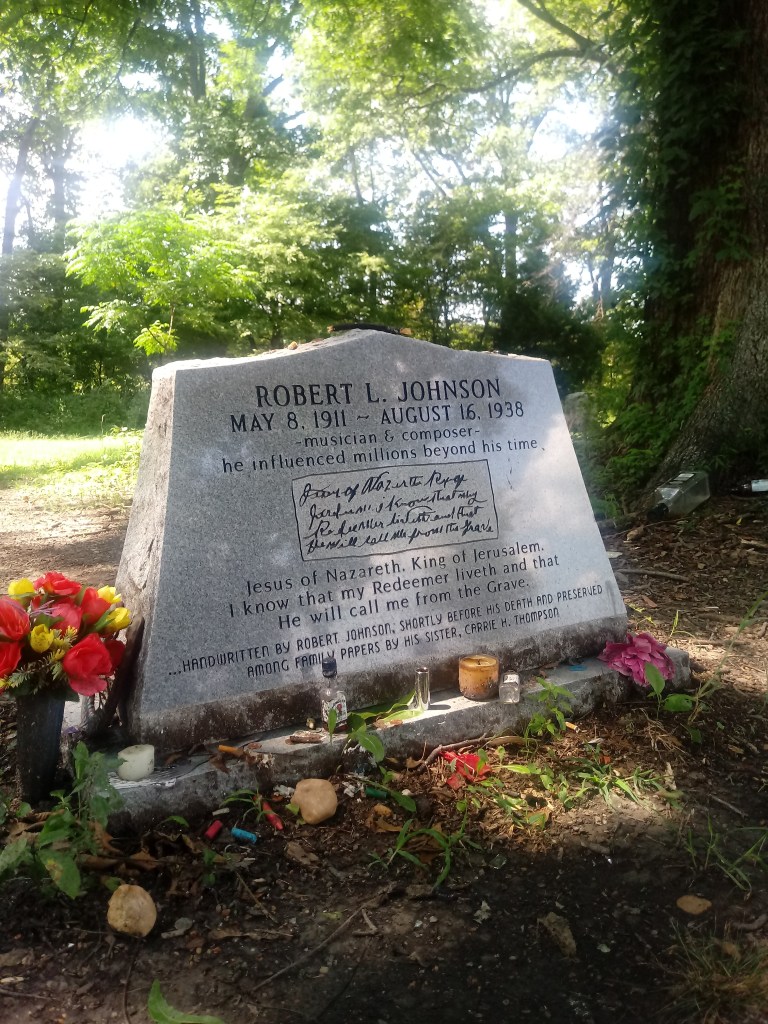
Johnson’s untimely death at age 27 in Greenwood, Mississippi, in 1938 remains shrouded in mystery and speculation. The prevailing theory suggests he was poisoned by a jealous husband, yet no definitive evidence has surfaced. His exact burial site is also uncertain, with several sites claiming to be his final resting place, further mystifying his legacy.
His premature demise placed him among the earliest members of the infamous “27 Club,” musicians who tragically died at that same age, adding another layer to his already enigmatic persona.
Cultural and Historical Significance
Johnson’s music serves not only as artistic brilliance but also as a vital historical document, capturing the emotional and social realities faced by African Americans in the Jim Crow-era South. His lyrics address personal anguish, economic hardship, romantic turmoil, and spiritual conflict—themes universally resonant yet distinctly reflective of his time and place.
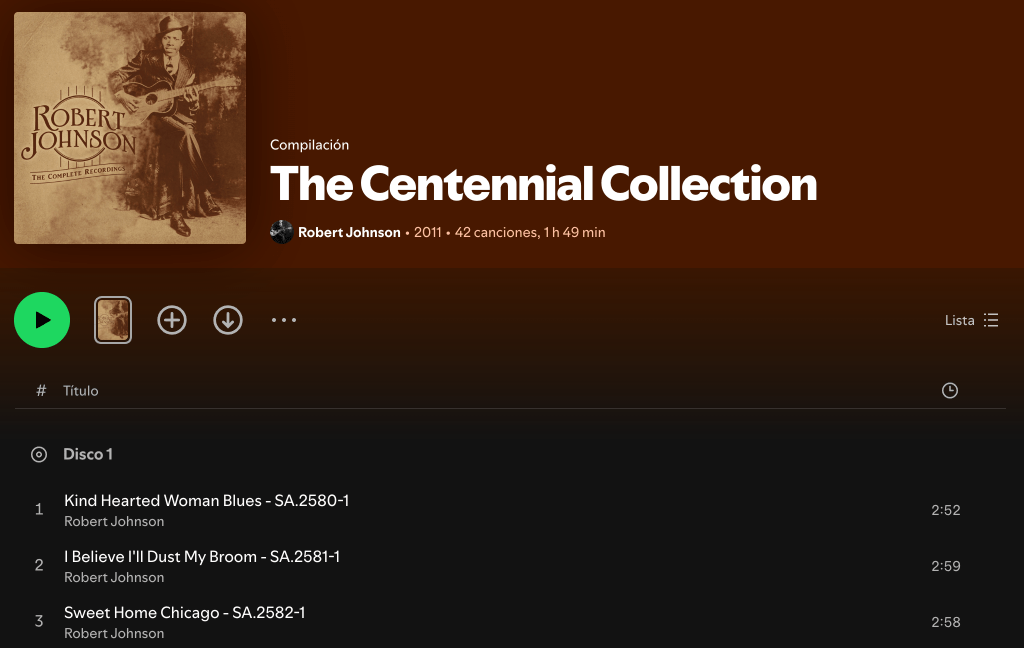
In 1990, Johnson received posthumous recognition with a Grammy Award for Best Historical Album for “The Complete Recordings,” affirming his profound significance in American music history.
10 Lesser Known Facts About Robert Johnson:
- He was largely unknown during his lifetime, achieving widespread fame only decades after his death.
- Johnson was arrested at least once in Mississippi for vagrancy.
- He often introduced himself under aliases, making tracking his life more complicated.
- His son, Claud Johnson, was legally recognized in 1998 after decades of disputes.
- He reportedly had unusually long fingers, contributing to his intricate guitar technique.
- Johnson reportedly learned from records by blues pioneer Lonnie Johnson.
- He rarely played in front of large audiences, typically performing in small clubs or street corners.
- Johnson’s recordings were initially released on 78 RPM records with limited distribution.
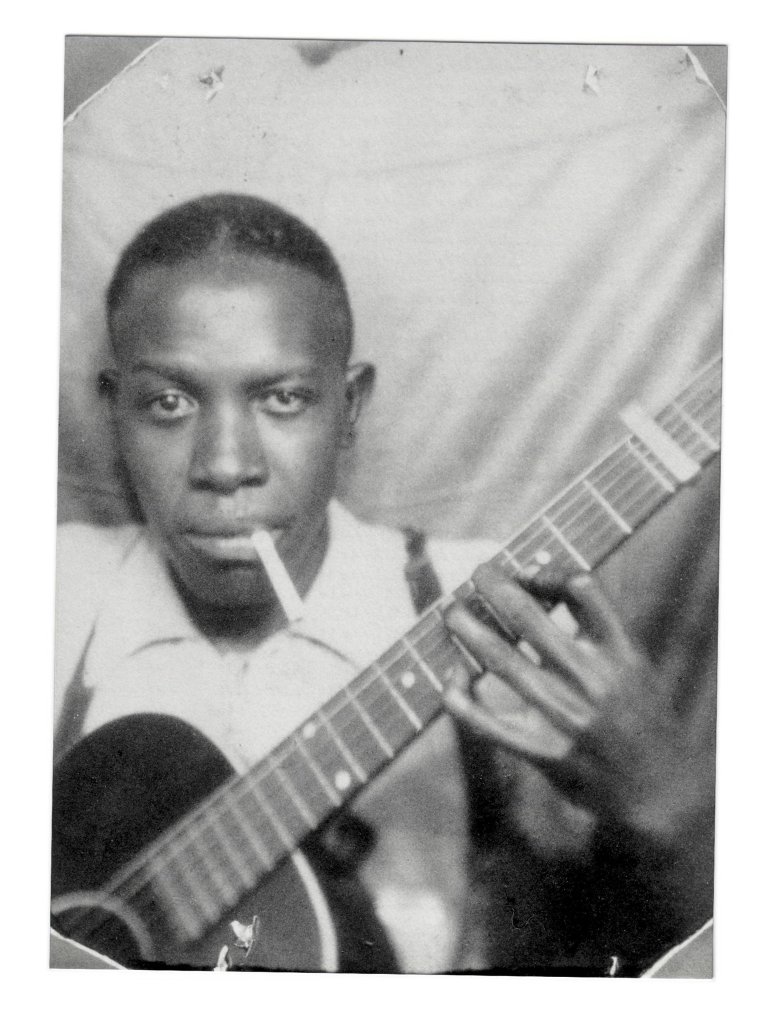
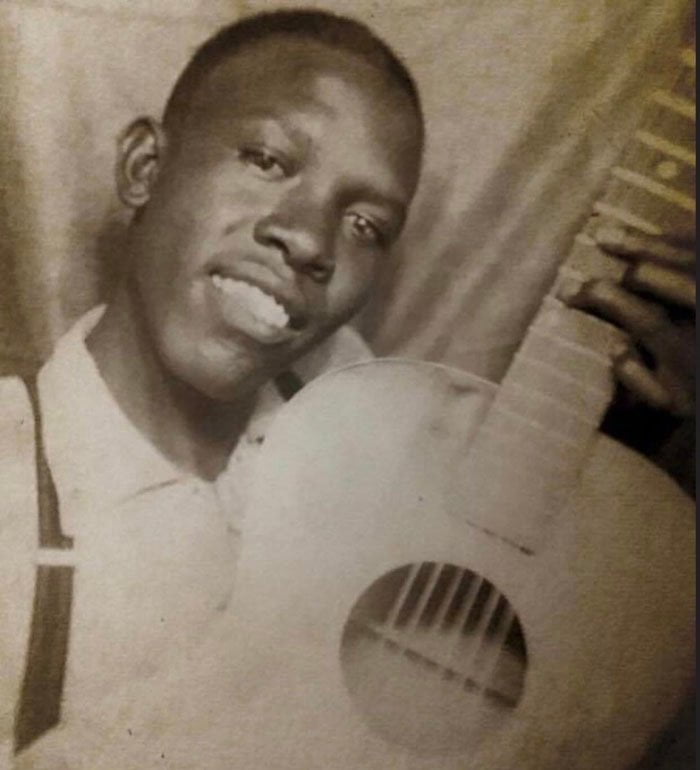
- There are only two verified photographs of Robert Johnson in existence.
- He is believed to have had severe stage fright, contributing to his mystique.
Conclusion
Robert Johnson’s life and music continue to fascinate due to their powerful fusion of reality and myth. He remains a towering figure whose profound contributions extend beyond blues, permanently shaping the landscape of American music. His recordings are treasured artifacts, immortalizing his legacy and ensuring his eternal resonance as a seminal figure in the history of music.
 oscaronguitars.com
Leave a comment