
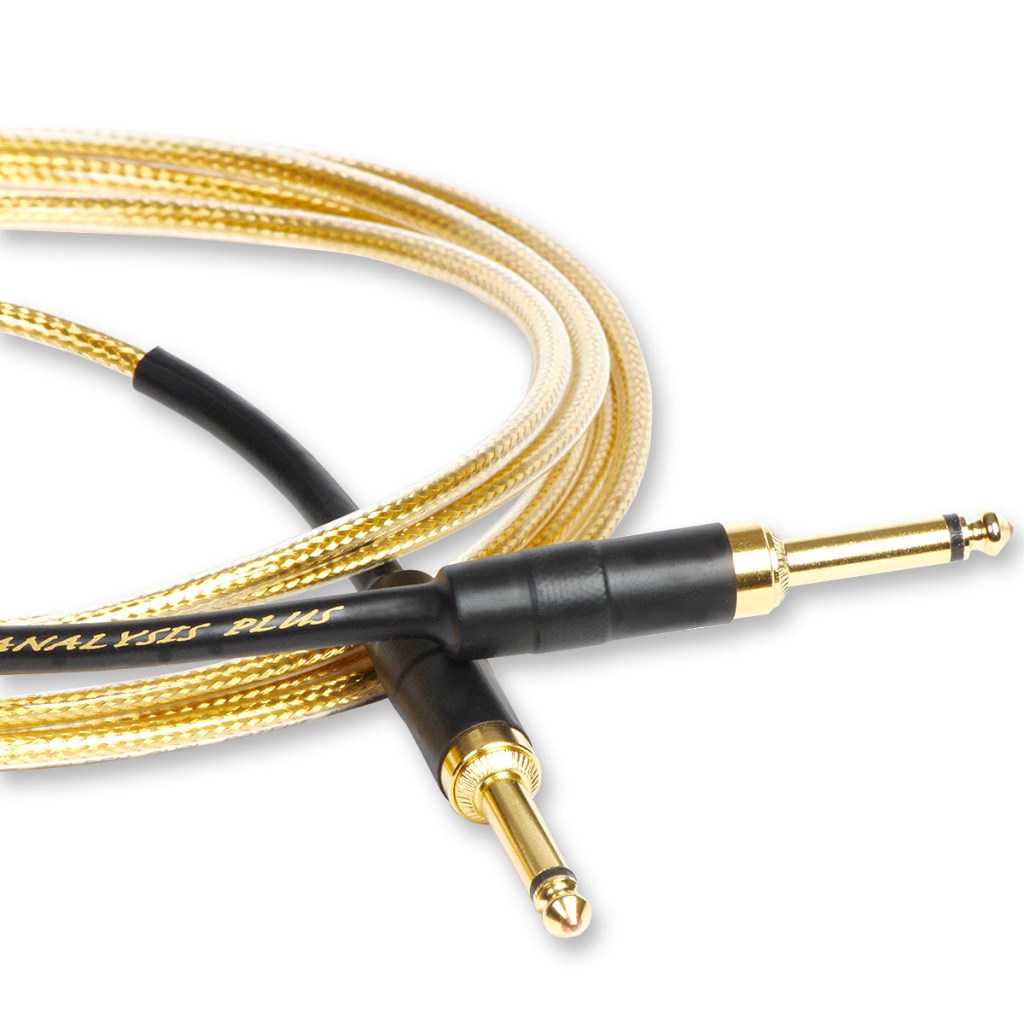
Why Guitar Cables Matter More Than You Think
If you’ve ever been mid-song in a jam session or recording and had your guitar suddenly cut out, you know the importance of a good guitar cable. It’s the quiet workhorse in your setup, often overlooked, but it plays a critical role in getting your sound from guitar to amp without interference, loss, or failure.
Most guitarists obsess over pickups, amps, or pedals but forget that even the best gear is useless if the signal chain is compromised by a cheap or failing cable. Let’s break down the different types of guitar cables, how they work, what makes one better than another, and why upgrading matters.
Types of Guitar Cables (And When They Matter)
Not all cables are the same. Here’s a rundown of key types and what they offer.
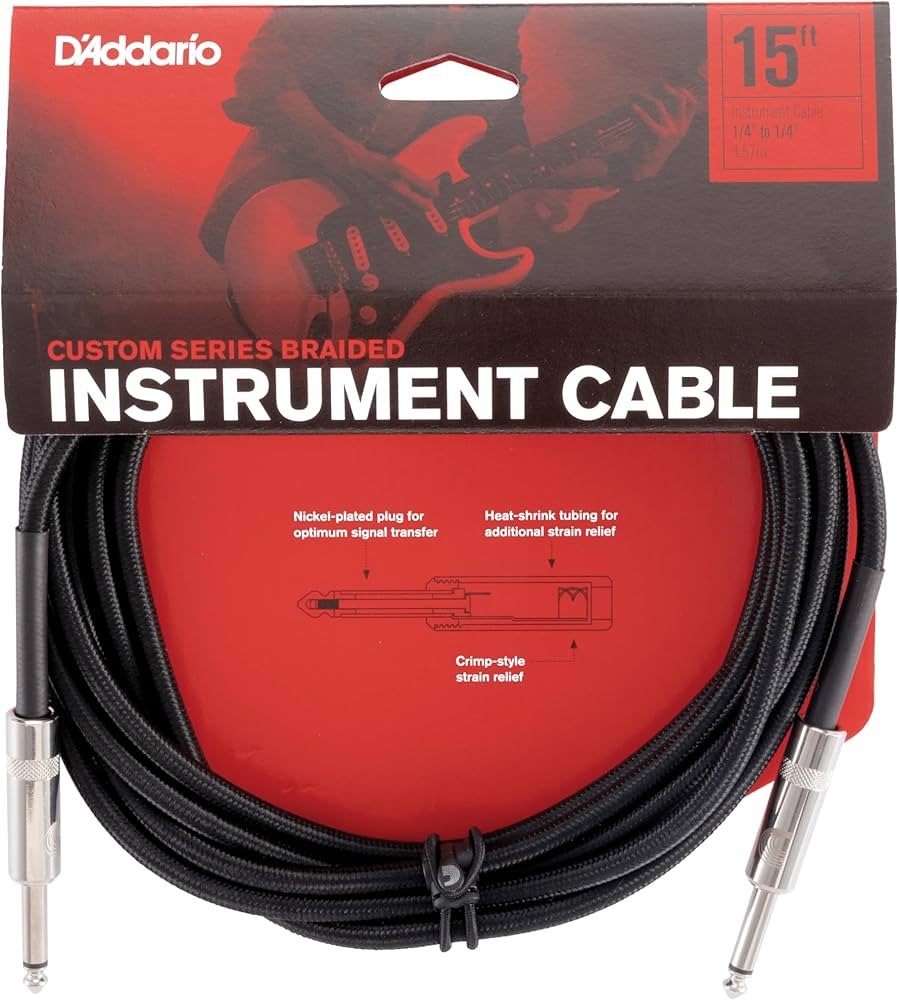
1. Standard Instrument Cables
These are the everyday cables with a 1/4-inch jack on each end, used to connect guitars to amps or pedalboards.
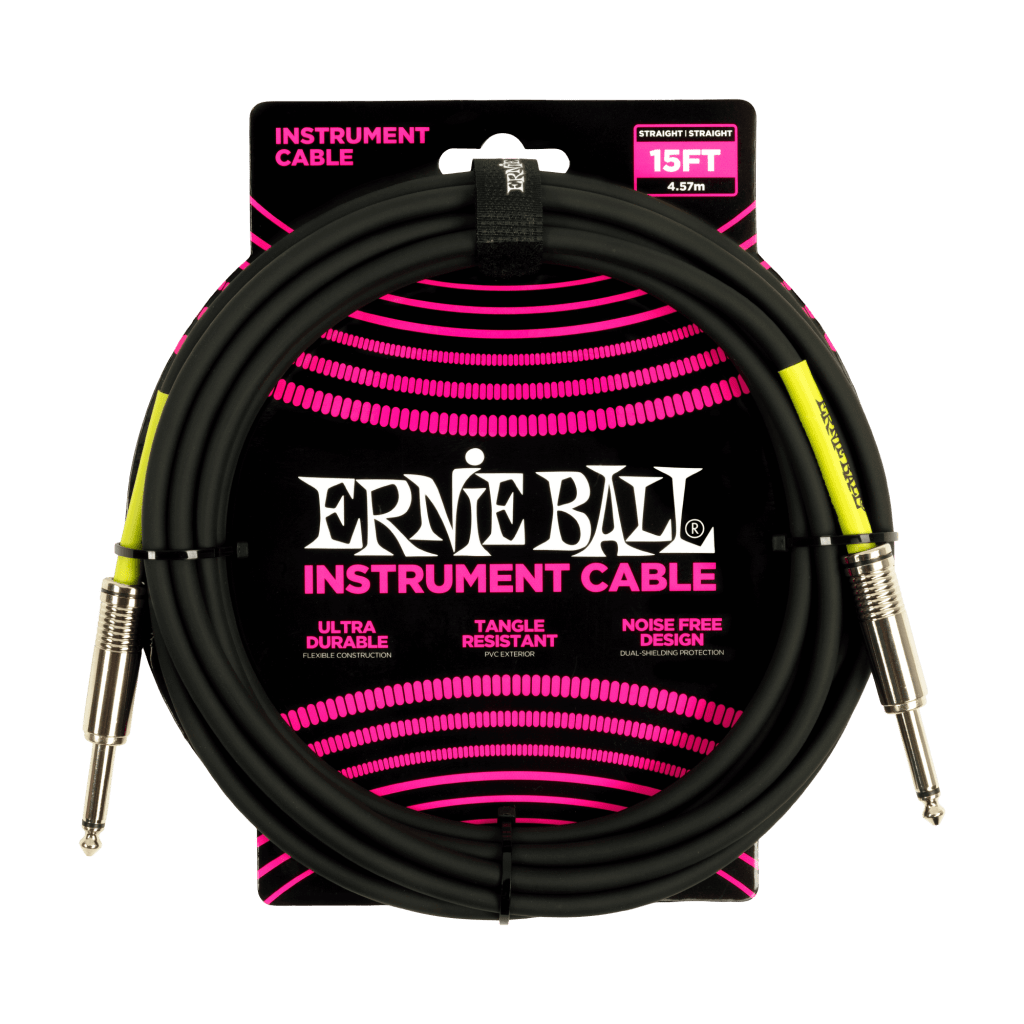
Popular Brands: Monster, Mogami, Ernie Ball, Planet Waves
| Pros | Cons |
|---|---|
| Affordable and easy to find | Can suffer signal loss over long runs |
| Great for basic setups or practice | Cheaper versions degrade in sound fast |
| Available in various lengths | Vulnerable to wear with frequent use |
When to Upgrade: If you notice signal loss or frequent damage, it’s time to invest in a more durable, reliable option.
2. Shielded Cables
Shielded cables are designed with extra layers to reduce electromagnetic and radio frequency interference, which is crucial in noisy or pedal-heavy setups.
Popular Brands: DiMarzio, Mogami, Lava Cable
| Pros | Cons |
|---|---|
| Reduced hums and interference | More expensive |
| Better sound in noisy environments | Thicker and slightly less flexible |
| Ideal for pedalboard use |
When to Upgrade: If you play near stage lights, power sources, or lots of pedals and hear static or hum, shielded cables are a smart investment.
3. Premium Cables (High-Quality Materials)
Premium cables use top-tier materials like oxygen-free copper and gold-plated connectors for maximum clarity and durability.
Popular Brands: Evidence Audio, Monster, Mogami Platinum
| Pros | Cons |
|---|---|
| Crystal-clear signal with minimal loss | Expensive compared to standard cables |
| Durable and long-lasting, ideal for pros | Can be overkill for casual players |
| Better flexibility and protection |
When to Upgrade: If you are serious about tone and reliability or need gear that survives years of touring and gigs, premium cables make sense.

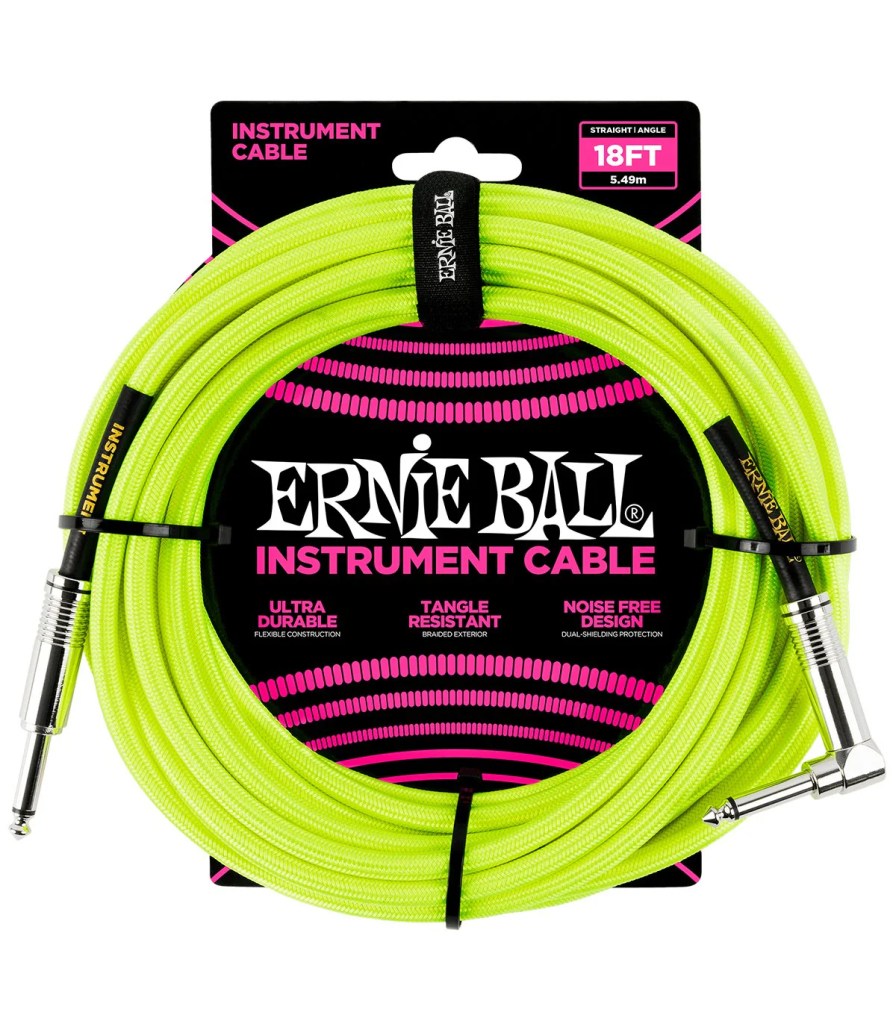
4. Right-Angle Cables
These cables have connectors that bend at 90 degrees, making them perfect for tight spaces, pedalboards, or guitars with tricky input jacks.
Popular Brands: Mogami, Ernie Ball, Planet Waves
| Pros | Cons |
|---|---|
| Saves space and reduces strain on jacks | Might not fit all setups |
| Neat, clean look for your board | Some players find them less durable |
When to Upgrade: If you need to save space on a pedalboard or want to avoid damaging your guitar’s input jack.
5. Coiled Cables
Coiled cables stretch out like a spring and coil back when not in use, offering extra length without a mess.
Popular Brands: Fender, Hosa, Lava Cable
| Pros | Cons |
|---|---|
| Retro look and stage flexibility | Bulky and harder to store |
| Prevents tangling over long runs | Can tangle if mishandled |
| Great for active stage performers |
When to Upgrade: If you want retro style or need extra freedom of movement on stage.
The Technical Side: Why Do Cheap Cables Hurt Your Sound?
Many players only notice bad cables when they completely fail — but they can harm your tone long before that.
- Tone Loss: High capacitance dulls your high frequencies, making the guitar sound muddy or lifeless.
- Noise and Hum: Poor shielding invites electrical interference, adding hiss, crackles, or radio noise.
- Intermittent Connection: Weak solder joints or flimsy plugs cause signal dropouts.
- Physical Weakness: Thin, cheaply made cables break, kink, or short under normal use.
A good cable protects your tone and ensures that your carefully crafted sound reaches the amp intact.
Tips for Choosing the Right Guitar Cable
- Length Matters: Shorter is better for tone. For home use, 10–15 ft. is usually enough; longer runs on stage require quality to avoid loss.
- Check Capacitance: Low capacitance (below 30 pF/foot) keeps your highs bright.
- Prioritize Shielding: If you’re around lots of electronics or lighting, get braided or foil-shielded cables.
- Look for Durability: Reinforced connectors, tough jackets, and good strain relief make cables last longer.
- Mind Your Budget: You don’t need the most expensive cable, but avoid bottom-shelf junk. A well-made midrange cable can last years.
- Warranty Counts: Many premium brands offer lifetime warranties, which can save money long-term.
Quick Cable Care Tips
| Do’s | Don’ts |
|---|---|
| Coil cables loosely (no tight wraps) | Yank cables out from the wire |
| Use cable ties or Velcro for storage | Let cables tangle in a gear bag |
| Inspect regularly for wear or cracks | Ignore crackling or weak signals |
Conclusion: The Cable Is Not Just an Accessory — It’s a Vital Part of Your Tone
While it’s easy to overlook, your guitar cable is one of the most important links in your setup. Whether you’re practicing at home, recording in the studio, or gigging live, the right cable makes sure your tone stays clean, strong, and interference-free.
From basic instrument cables to shielded, coiled, and premium high-end options, there is a cable for every player and situation. Next time you look to upgrade your rig, remember: your cable can be the quiet hero or the hidden villain of your tone.
 oscaronguitars.com
Leave a comment