

From Chicago Gospel to Soul Icon: The Musical Journey of Curtis Mayfield
Curtis Mayfield, born on June 3, 1942, in Chicago, Illinois, stands as a seminal figure in American music history, celebrated for his profound influence on soul, funk, and socially conscious R&B. His innovative blend of gospel roots, soulful melodies, and groundbreaking lyricism has made him an enduring icon whose music resonates as powerfully today as when it first captured the imagination of a changing America.
Early Life and Gospel Beginnings
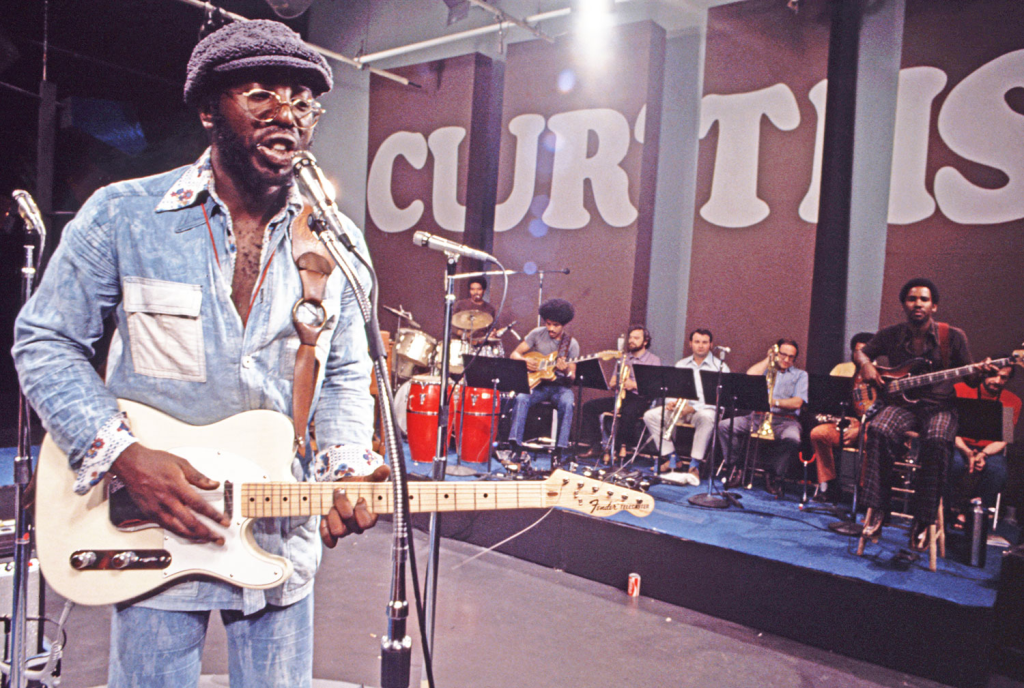
Curtis Lee Mayfield grew up immersed in Chicago’s vibrant gospel music scene. As a child prodigy, Mayfield taught himself guitar and piano, singing passionately in church choirs. His early exposure to gospel, notably the works of Sam Cooke and the Soul Stirrers, heavily influenced his distinctive sound—combining spiritual fervor with rhythmic complexity.
Rise with The Impressions
In 1958, Mayfield co-founded The Impressions, initially led by Jerry Butler. The group’s early hits, including “For Your Precious Love,” laid the foundation for Mayfield’s ascent. As Butler departed for a solo career, Mayfield took center stage, becoming the group’s primary songwriter and vocalist. Under his leadership, The Impressions delivered soul classics such as “Gypsy Woman,” “It’s All Right,” and the timeless civil rights anthem “People Get Ready.”
“People Get Ready,” released in 1965, transcended mere musical popularity, becoming emblematic of the civil rights movement. Dr. Martin Luther King Jr. himself cited it as inspirational, underscoring Mayfield’s role as an influential social voice.
Solo Career and Social Consciousness
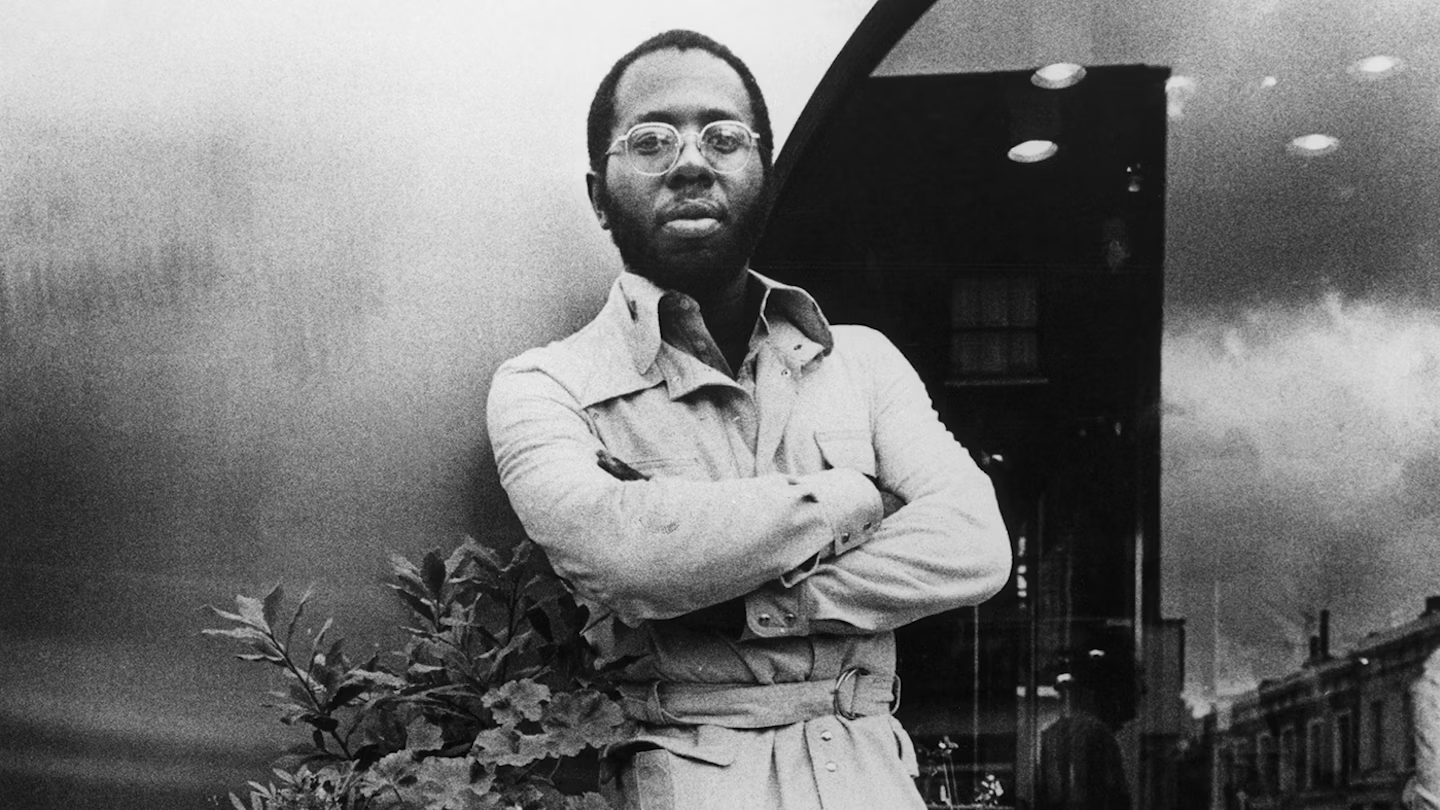
In 1970, Mayfield embarked on a solo journey with the release of his critically acclaimed album Curtis. This marked a definitive turn toward more explicit socio-political commentary. Tracks like “(Don’t Worry) If There’s a Hell Below, We’re All Going to Go” and “We the People Who Are Darker Than Blue” exemplified his fearless approach to issues of racial injustice, poverty, and inner-city struggles.
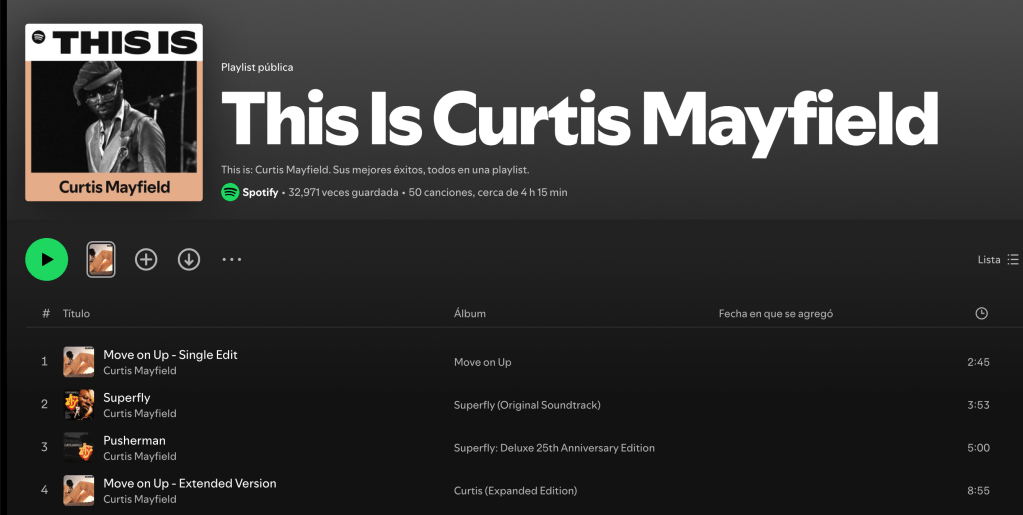
Mayfield’s 1972 soundtrack for the film Super Fly became one of his most significant achievements, profoundly critiquing the glamorization of urban crime and drug culture. Songs like “Super Fly,” “Freddie’s Dead,” and “Pusherman” merged gritty realism with compelling funk rhythms, showcasing his extraordinary ability to deliver social commentary through irresistibly soulful grooves.
Distinctive Guitar Technique and Sound
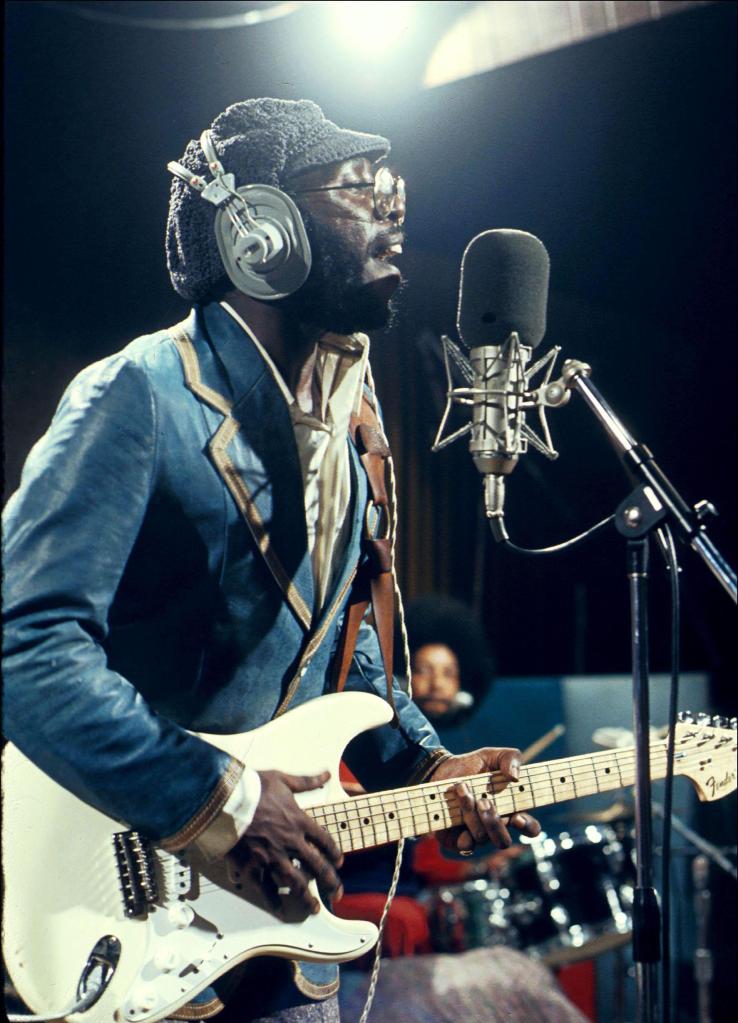
Curtis Mayfield was renowned for his delicate yet sophisticated guitar style, characterized by his innovative use of open F# tuning, intricate chord progressions, and rhythmic finesse. His signature instrument, the Fender Stratocaster, provided a bright, clear tone that beautifully complemented his falsetto vocals. Mayfield’s guitar work often drew comparisons to jazz guitarists for its melodic complexity and harmonic richness.
Legacy and Cultural Impact
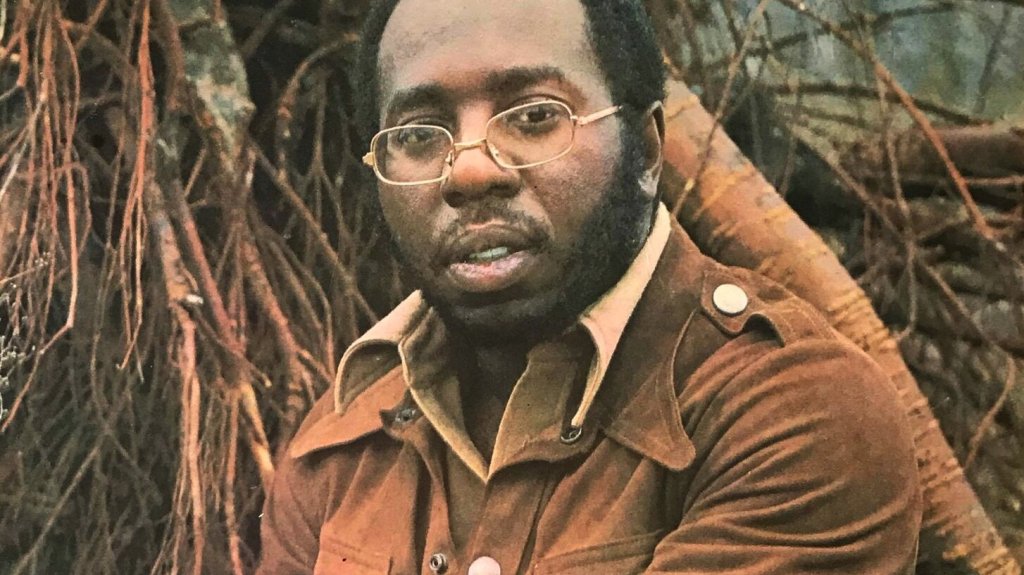
Mayfield’s influence extends far beyond soul music. His poignant narratives and musical innovations laid groundwork adopted by artists spanning multiple genres, including Marvin Gaye, Stevie Wonder, Bob Marley, and later, artists like Public Enemy, Kanye West, and Kendrick Lamar. Hip-hop’s affinity for sampling Mayfield’s work underscores his timeless relevance.
Mayfield’s role in shaping soul music as a vehicle for social change secured his legacy as not just an entertainer but as an activist and cultural visionary. His themes of empowerment, racial equality, and hope continue to resonate, inspiring generations to confront and challenge social injustices.
Personal Tragedy and Unyielding Spirit
In August 1990, Mayfield suffered a tragic accident during a concert in Brooklyn when lighting equipment fell, leaving him paralyzed from the neck down. Remarkably resilient, Mayfield continued to compose, sing, and record, notably releasing the poignant album New World Order in 1996, a testament to his indomitable spirit and dedication to music.
Honors and Recognition
Curtis Mayfield was inducted into the Rock and Roll Hall of Fame twice—first as a member of The Impressions in 1991 and then as a solo artist in 1999. Rolling Stone magazine recognized him as one of the “100 Greatest Guitarists of All Time,” and his work remains a staple of American musical heritage.

Conclusion: A Timeless Voice
Curtis Mayfield’s life and music remain emblematic of the transformative power of art to inspire social consciousness and change. His legacy endures, not just through his recordings, but through his impact on successive generations of musicians and activists. Mayfield, through his soulful rhythms and profound lyricism, continues to be a beacon of hope and humanity.
Bonus Track: 10 Facts About Curtis Mayfield
- Self-taught guitarist and multi-instrumentalist from childhood.
- Early career defined by influential gospel music upbringing.
- Co-founded The Impressions, serving as lead songwriter and vocalist.
- Authored civil rights anthem “People Get Ready,” praised by Martin Luther King Jr.
- Launched impactful solo career with the 1970 album Curtis.
- Super Fly soundtrack (1972) critiqued urban social issues, becoming legendary.
- Pioneered distinctive guitar style using open F# tuning.
- Continued composing after a tragic accident left him paralyzed.
- Inducted twice into the Rock and Roll Hall of Fame.
- Widely sampled and celebrated across genres, reflecting enduring relevance and influence.
 oscaronguitars.com
Leave a comment