
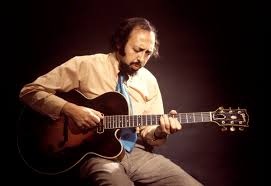
Barney Kessel was one of the most influential and versatile jazz guitarists of the 20th century, a true innovator whose career spanned decades and left an indelible mark on jazz guitar. Known for his impeccable technique, expressive improvisation, and ability to blend bebop with a rich harmonic understanding, Kessel’s playing continues to be an essential part of the jazz guitar legacy. With his smooth, fluid lines and harmonic inventiveness, Kessel influenced not only his contemporaries but also future generations of guitarists.
In this article, we’ll explore Barney Kessel’s contribution to the world of guitar, his style, and his lasting legacy in the jazz genre.
Early Life and Musical Beginnings
Born on October 17, 1923, in Muskogee, Oklahoma, Barney Kessel was raised in a musical family. He started playing guitar at a young age, and by his teens, he was already performing professionally. His early influences came from the big bands and the swing era, but he soon developed a fascination with the new sounds emerging from the bebop movement in the 1940s.
Kessel’s formal education included time studying at the University of Southern California, but he quickly immersed himself in the burgeoning Los Angeles jazz scene. His first significant break came when he joined the big bands of artists like Artie Shaw and was exposed to the cutting-edge jazz sounds of Charlie Parker, Dizzy Gillespie, and others. It wasn’t long before Kessel became an in-demand session player, contributing to numerous recordings and working with many of jazz’s most famous names.
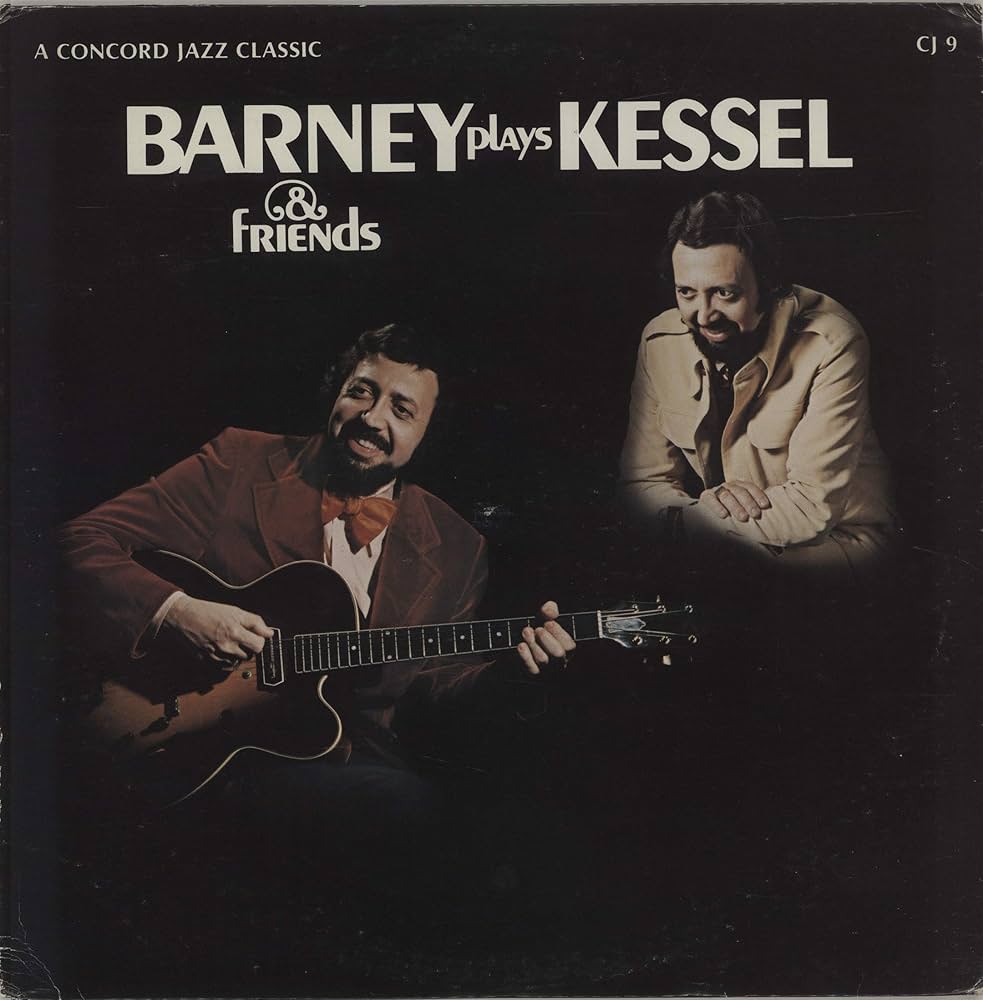
Kessel’s Guitar Style: The Blend of Bebop and Harmony
Barney Kessel’s guitar style is often described as a synthesis of bebop sensibilities and classical guitar training, creating a sound that was sophisticated yet deeply expressive. He had an exceptional command of the fretboard, enabling him to move effortlessly through complex chord changes while maintaining a smooth, melodic line. Let’s break down the key elements of his playing that made Kessel a standout figure in jazz guitar.
1. Bebop Influence: Fast Lines and Harmonic Richness
Kessel’s playing was deeply influenced by the bebop movement. He took the fast, intricate lines of Charlie Parker’s saxophone and translated them to the guitar with remarkable fluency. His solos were full of fast arpeggios, chromatic runs, and quick, fluid phrasing. However, what set Kessel apart from many of his contemporaries was his ability to combine the rapid-fire improvisation of bebop with a sophisticated harmonic approach.
Kessel had a strong understanding of chord changes and often incorporated advanced harmonic concepts into his solos. He frequently used chord substitutions and played around with modal and altered scales, which allowed him to create unexpected and rich harmonic landscapes in his solos.
2. Expressive Phrasing and Vibrato
One of the trademarks of Barney Kessel’s playing was his highly expressive phrasing. His solos were never just a string of notes; they were carefully constructed lines that conveyed emotion and musical intention. His use of vibrato, in particular, was one of his defining characteristics. Kessel’s vibrato was smooth and controlled, giving his notes a vocal-like quality that made his guitar sound almost human. This attention to nuance made his solos stand out, even in the most complex musical contexts.
3. Fluid, Linear Melodies
Another key element of Kessel’s playing was his ability to construct fluid, linear melodies that seamlessly navigated the changes in a chord progression. Rather than relying on static, repetitive patterns, Kessel’s lines always moved forward, evolving with each phrase. This ability to build coherent, melodic ideas in real-time was a hallmark of his style and something that influenced guitarists like Wes Montgomery and Joe Pass.
Kessel’s approach to improvisation was linear and melodic, with an emphasis on development and building phrases that had a beginning, middle, and end. He rarely relied on clichés or predictable patterns, instead opting for ideas that were fresh and constantly evolving.
4. Chords and Voice Leading
Barney Kessel’s understanding of chords and voice leading was another standout feature of his playing. He often used chord voicings that were influenced by his classical studies, incorporating wide intervals and smooth voice leading that made his chordal work sound seamless and sophisticated. Whether he was comping behind a soloist or playing solo guitar, Kessel’s harmonic vocabulary was expansive and uniquely his own.
His chord voicings were often open, with a rich, full sound that contrasted with the more closed voicings of many other jazz guitarists. This gave his chords a more ethereal and wide-ranging feel, adding depth to his overall sound.
5. Tone and Equipment
Kessel was known for his smooth, warm tone, which contributed to his expressive, fluid style. He played a Gibson ES-175, a hollow-body guitar known for its rich tone and excellent sustain. This guitar gave Kessel the ability to achieve both clarity and warmth, allowing him to emphasize the subtleties of his playing. His tone was always precise but never harsh, striking a perfect balance between warmth and articulation.
Kessel also used light gauge strings, which helped him achieve a smooth attack on his notes and gave him the ability to bend and sustain notes with ease.
Kessel’s Iconic Recordings and Career
Throughout his career, Barney Kessel was one of the busiest and most respected session guitarists in jazz, contributing to numerous landmark recordings. Some of his most significant works include:
1. “The Poll Winners” (1957)
One of Kessel’s most iconic albums, The Poll Winners was a collaborative effort with fellow jazz greats Shelly Manne (drums) and Ray Brown (bass). This album showcases Kessel’s impeccable sense of timing, melodic inventiveness, and ability to swing with the best of them. His guitar work on tracks like “Deed I Do” is smooth and bouncy, effortlessly navigating through complex chord changes while staying in the pocket.
2. “Barney Kessel Plays the Music of Henry Mancini” (1961)
In this album, Kessel explores the music of composer Henry Mancini, bringing his jazz sensibilities to a series of Mancini’s compositions. Kessel’s interpretations of tunes like “Moon River” and “The Pink Panther” are masterful, showcasing his ability to adapt to different styles and his deep understanding of both jazz and popular music.
3. “A Swinging Affair” (1958)
This album features Kessel’s work with a big band, and it’s a prime example of his ability to work within an ensemble setting while still maintaining his individual voice. The album’s swinging grooves and Kessel’s brilliant solo work on tracks like “Little Darlin’” make it a standout in his catalog.
4. Session Work
In addition to his solo work, Kessel was an in-demand session guitarist, contributing to recordings by some of the biggest names in jazz and pop. He played on albums by Nat King Cole, Frank Sinatra, Ella Fitzgerald, and countless others, providing his signature smooth, sophisticated guitar lines that helped elevate the overall sound of these recordings.
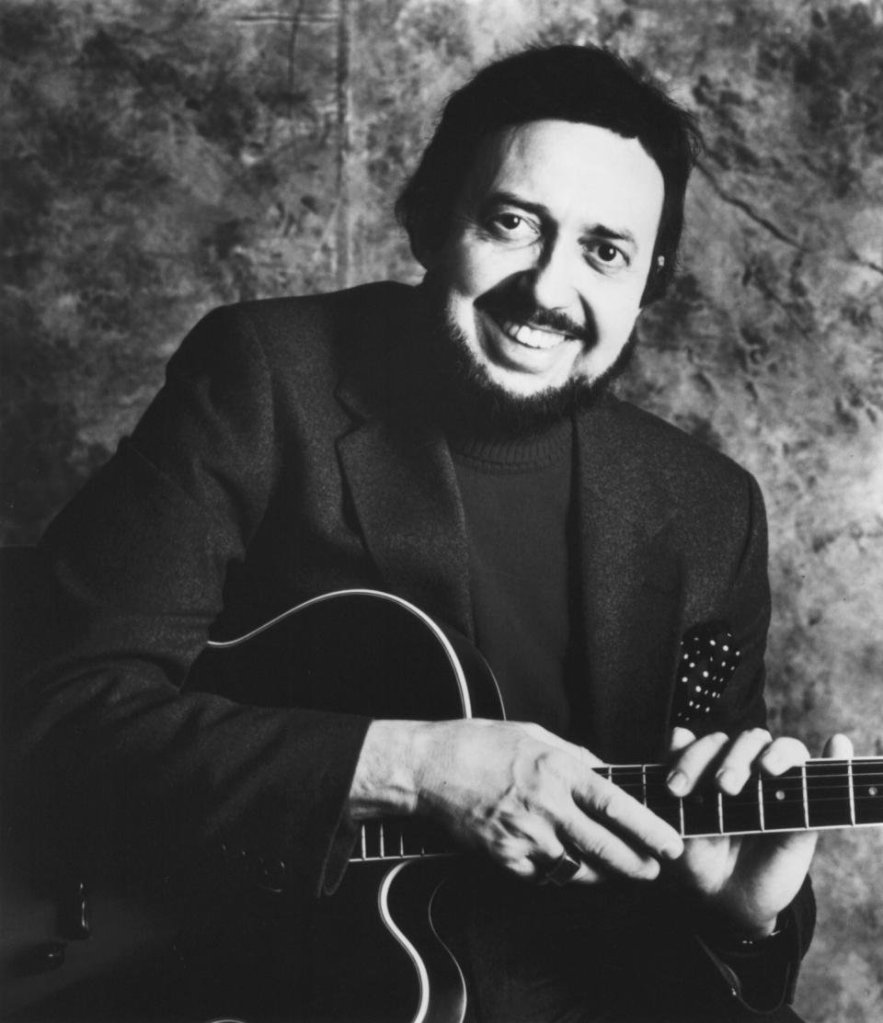
Legacy and Influence
Barney Kessel’s legacy is one of exceptional artistry and innovation. His mastery of bebop, his harmonic sophistication, and his ability to convey emotion through his guitar playing influenced not only jazz guitarists but also musicians across a wide range of genres. Guitarists like Wes Montgomery, Joe Pass, and Pat Martino cited Kessel as a key influence on their development, and his recordings continue to serve as a model for aspiring guitarists.
Kessel’s contribution to the development of jazz guitar is immeasurable, and his ability to blend complex harmony with lyrical, melodic phrasing remains an essential lesson for guitarists today.
Conclusion
Barney Kessel was a true master of the jazz guitar, blending technical proficiency with emotional depth in a way that few others could match. His sophisticated harmonic language, bebop-infused lines, and ability to create fluid, expressive melodies elevated him to the ranks of jazz guitar legends. Through his numerous recordings and performances, Kessel’s influence on jazz guitar can still be felt today, making him an essential figure in the history of jazz music.
 oscaronguitars.com
Leave a comment