
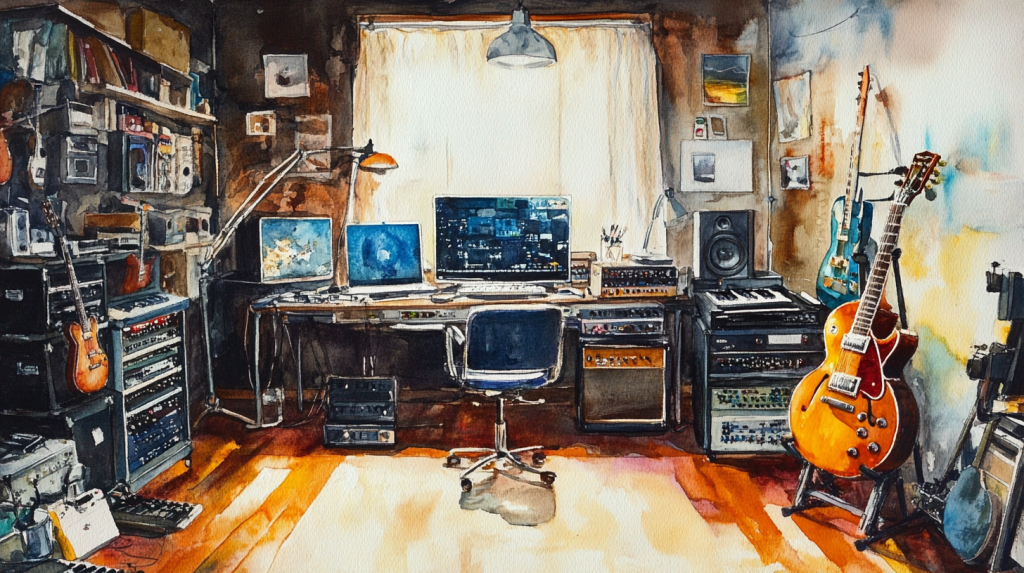
As an intermediate or advanced guitarist, the environment where you practice can significantly impact your creativity, focus, and overall growth. A space that’s conducive to both technical practice and spontaneous musical exploration can help you break free from routine and fuel your passion for playing. Whether you’re perfecting a solo, experimenting with new sounds, or composing your own material, the right practice environment can make all the difference.
In this article, we’ll explore how to create a practice space that nurtures creativity and supports your growth as a guitarist. By integrating the right atmosphere, equipment, and mindset, you can transform your practice sessions into a fulfilling and productive experience.
1. Personalize Your Space to Inspire Creativity
Your practice space should be an extension of your musical identity. A well-organized, personalized environment can set the tone for creative breakthroughs. Start by choosing a location that’s quiet and free from distractions. This doesn’t necessarily mean an isolated room, but it should be a space where you feel comfortable and can focus.
Consider decorating the area with items that inspire you—whether it’s artwork, album covers, or memorabilia from your favorite bands. These visual elements can spark creativity and remind you why you’re passionate about playing. Keep your gear organized and within reach to avoid any interruptions in your flow. A clutter-free space lets you focus on your playing, not the mess around you.
2. Good Lighting and Comfortable Seating Are Essential
Proper lighting can have a surprisingly big impact on your mood and focus. Make sure your practice area has adequate lighting, especially around your guitar and sheet music (if you use it). Natural light can help with focus, but if you practice at night, use soft, adjustable lights that create a warm, inviting atmosphere.
Comfortable seating is equally important. You don’t need a fancy chair, but make sure it supports your posture while playing. A good chair or stool can help you practice for longer periods without discomfort, allowing you to fully engage with your music. Consider using an adjustable stool for the best ergonomic position and flexibility.
3. Create a Space for Exploration and Spontaneity
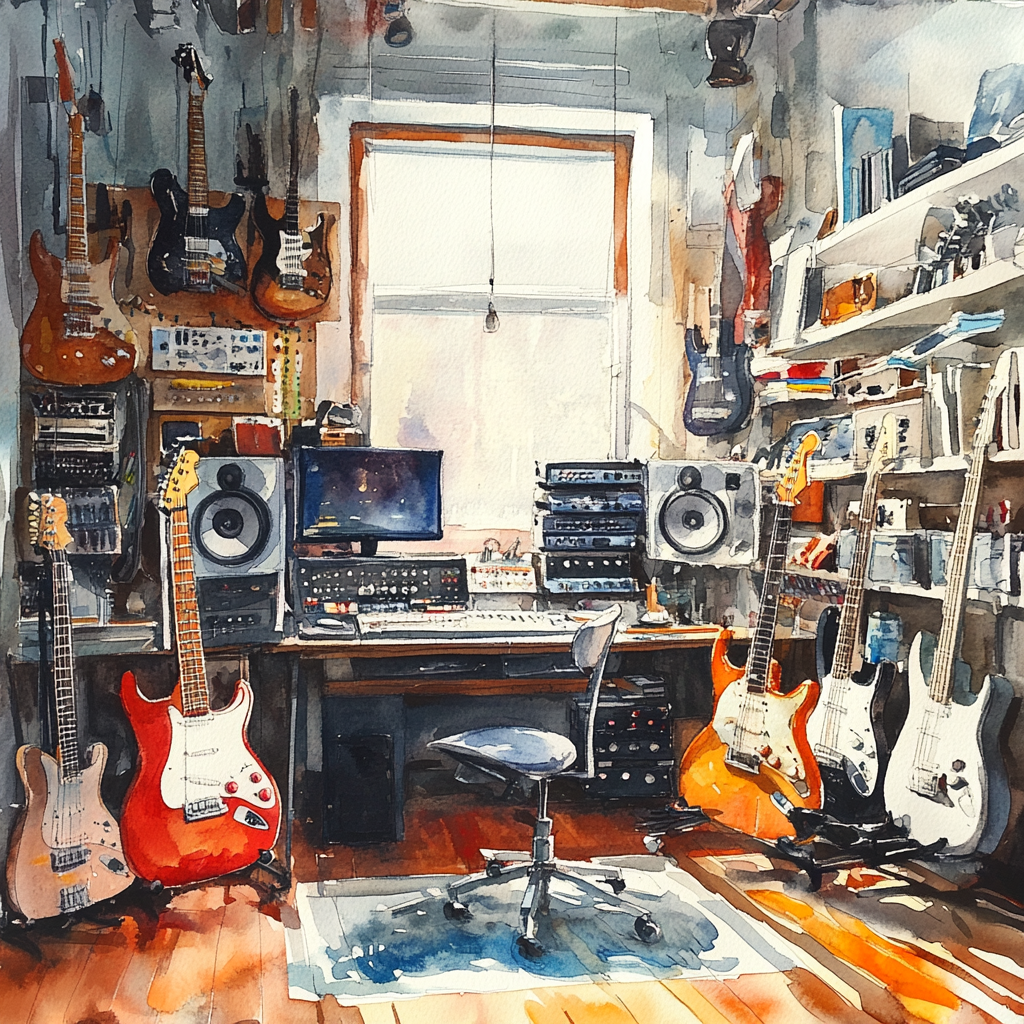
While having a structured practice routine is key to improving, leaving room for creative exploration is just as important. Set up your practice space in a way that encourages experimentation. Keep a few effect pedals, different guitars, or accessories within reach to mix up your sound and inspire new ideas.
When you’re not confined to a rigid practice schedule, you allow your creativity to flow freely. You may come up with new riffs, try different scales, or experiment with unconventional techniques. The environment should inspire you to push boundaries, not just follow a set path. Consider having an area where you can jot down musical ideas, record snippets of inspiration, or even practice improvisation.
4. Sound Control: Optimize Your Audio Environment
The quality of the sound in your practice area can have a profound impact on how you play and perceive your tone. If you’re practicing with a loud amp, it’s important to ensure that the sound doesn’t bleed into other rooms or distract you. You may want to invest in a practice amp with a headphone jack, allowing you to play without disturbing others.
Alternatively, you can use soundproofing techniques in your space—whether it’s adding foam panels, carpets, or curtains to dampen sound reflections. These small adjustments can enhance the clarity of your playing and help you hear the nuances of your tone. If you’re recording, a quality microphone or audio interface can make a big difference in how you capture your sound.
5. Organize Your Gear for Maximum Efficiency
Having your gear in order can save time and mental energy, allowing you to spend more time actually playing. Keep your guitar, pedals, cables, and any other gear you use easily accessible. Consider using a rack or stand to store your guitars, and organize pedals on a board for easy switching. Labeling cables and keeping them untangled prevents frustration during your session.
The same goes for sheet music, notebooks, or tabs—create a system where you can quickly grab what you need. With everything in its place, you can focus entirely on your playing instead of searching for gear or losing track of where you left your tuner.
6. Incorporate Technology to Enhance Your Practice
In today’s digital age, technology can be a great ally in enhancing your practice environment. Using a metronome or backing track app on your phone can help you stay in time, practice timing, or explore different styles. Apps like Guitar Pro or other tablature software allow you to slow down songs, loop sections, or work through tricky passages.
Additionally, recording yourself with a simple interface or even a phone camera can provide valuable insights into your progress. Watching videos of your own playing can highlight areas for improvement, help track your growth, and keep you motivated.
7. Be Mindful of Your Mindset
The mental side of your practice environment is just as important as the physical space. Practice with intention and mindfulness, rather than mindlessly running through exercises. Focus on being present with your instrument and your music, even during technical drills. Set specific goals for each session, whether it’s improving speed, mastering a technique, or developing a new musical idea.
Take breaks to avoid burnout, and don’t forget to celebrate small wins along the way. A positive mindset can make all the difference in your practice experience, keeping you motivated and energized for long-term growth.
8. Create a Routine that Fits Your Goals
A solid routine is key to progressing, but don’t fall into the trap of repetitive, mindless practice. Design a routine that challenges you while also allowing time for exploration. Start with warm-ups, followed by targeted practice on areas you want to improve, such as technique, theory, or improvisation. Then, set aside time for creative expression, whether it’s jamming, writing music, or experimenting with new sounds.
Having a balance between structure and freedom allows your practice sessions to be both productive and inspiring. Tailor your routine to align with your personal goals—whether that’s working on speed, tone, or creativity.
Conclusion
Creating the ideal practice environment goes beyond just having the right gear or a quiet space. It’s about fostering an atmosphere that encourages creativity, supports focused practice, and helps you grow both technically and artistically. By organizing your space, optimizing your sound environment, and adopting the right mindset, you can take your guitar playing to new heights.
Remember, your practice environment should inspire you and make you excited to play every time you step into it. If you build a space that sparks creativity and fosters growth, you’ll find that the guitar will feel more like a natural extension of yourself—and you’ll be well on your way to becoming the guitarist you’ve always wanted to be.
 oscaronguitars.com
Leave a comment