
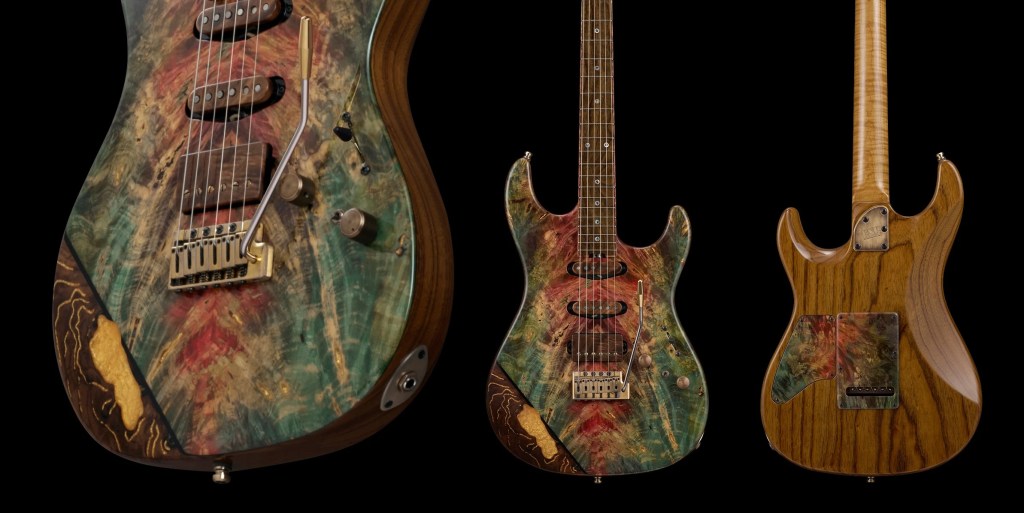
1. The Appeal of Limited Edition and Collectible Guitars
Limited edition and collectible guitars are more than just instruments; they are pieces of art, history, and culture. Here’s why they captivate so many guitarists and collectors:
Exclusivity:
- Limited Production: As the name suggests, limited edition guitars are produced in small quantities, sometimes as few as a handful of units. This scarcity creates a sense of exclusivity and desirability among collectors.
- Unique Features: These guitars often come with unique features that set them apart from standard models, such as special finishes, inlays, or custom hardware. They may also commemorate significant events, anniversaries, or collaborations with famous musicians.
Historical and Cultural Significance:
- Signature Models: Many limited edition guitars are signature models, designed in collaboration with iconic musicians. Owning a guitar associated with a legendary artist adds a layer of historical significance and personal connection.
- Commemorative Editions: Some guitars are released to mark important milestones in a brand’s history or to celebrate the legacy of a particular model. These commemorative editions are often tied to specific moments in music history, making them particularly valuable to collectors.
Investment Potential:
- Appreciation Over Time: Limited edition and collectible guitars can appreciate in value over time, especially if they are well-maintained and remain in good condition. For some collectors, these guitars are not just instruments but also investments that can yield significant returns.
- Desirability: The combination of rarity, unique features, and historical significance makes these guitars highly desirable on the secondary market. As demand increases, so does their value.
2. What Makes a Guitar Collectible?
Not every limited edition guitar becomes a collectible. Several factors contribute to a guitar’s collectible status and potential value:
Rarity:
- Production Numbers: The fewer guitars produced, the more likely it is to become a sought-after collectible. Extremely limited runs, particularly those with less than 100 units, tend to be more valuable.
- Discontinued Models: Guitars that are no longer in production can become highly collectible, especially if they were popular during their production run or associated with a famous musician.
Condition:
- Originality: Collectible guitars are most valuable when they retain all of their original components. Modifications, repairs, or replacement parts can decrease a guitar’s value.
- Mint Condition: Guitars in mint or near-mint condition, with little to no wear, are more desirable to collectors. Even small blemishes or scratches can impact value.
- Documentation: Having the original case, certificates of authenticity, and any other documentation adds to a guitar’s value. These items help verify the guitar’s provenance and ensure its authenticity.
Historical Significance:
- Artist Association: Guitars associated with famous musicians or used during iconic performances are highly collectible. Signature models or guitars that were part of a musician’s personal collection can command premium prices.
- Cultural Impact: Guitars that played a role in significant cultural moments or movements, such as the birth of rock ‘n’ roll or the rise of grunge, are often sought after for their historical importance.
3. Tips for Purchasing Limited Edition and Collectible Guitars
Buying a limited edition or collectible guitar requires careful consideration and research. Here are some tips to help you make a smart purchase:
Do Your Research:
- Understand the Market: Before buying, spend time researching the market for limited edition and collectible guitars. Learn about recent sales, current values, and trends. Websites like Reverb, eBay, and specialized auction houses can provide valuable insights.
- Know the Model: Research the specific model you’re interested in, including its production numbers, unique features, and historical background. The more you know, the better equipped you’ll be to assess its value and authenticity.
Verify Authenticity:
- Certificates of Authenticity: Ensure that the guitar comes with a certificate of authenticity (COA) or other documentation that verifies its provenance. This is crucial for establishing its collectible status.
- Consult Experts: If you’re unsure about a guitar’s authenticity, consider consulting an expert or a reputable dealer who specializes in collectible guitars. They can help verify the guitar’s originality and condition.
Assess Condition Carefully:
- Inspect Thoroughly: If possible, inspect the guitar in person or request detailed photos from the seller. Pay close attention to the condition of the finish, hardware, and electronics. Look for any signs of wear, damage, or modifications.
- Original Components: Verify that the guitar still has all of its original components, including pickups, tuners, and hardware. Replacements or modifications can significantly decrease the guitar’s value.
Consider the Long-Term Investment:
- Potential for Appreciation: While some limited edition guitars appreciate in value, not all do. Consider whether the guitar has the potential to become more valuable over time, based on its rarity, condition, and historical significance.
- Maintenance and Care: Collectible guitars require careful maintenance to preserve their condition and value. Ensure you’re prepared to store the guitar properly and keep it in a climate-controlled environment.
Buy from Reputable Sources:
- Trusted Dealers: Purchase from reputable dealers or sellers with a strong track record in the collectible guitar market. Established dealers often provide warranties and guarantees that can offer peace of mind.
- Auction Houses: High-end auction houses that specialize in musical instruments can be a reliable source for rare and collectible guitars. These auctions often feature guitars with verified provenance and expert appraisals.
4. Understanding the Risks
While collectible guitars can be valuable investments, there are also risks involved. It’s important to be aware of these potential pitfalls:
Market Volatility:
- Fluctuating Values: The value of collectible guitars can fluctuate based on market demand, economic conditions, and changing trends in music and collecting. It’s possible for a guitar’s value to decrease over time.
- Speculative Purchases: Buying a guitar purely as an investment can be risky, especially if the market shifts. It’s important to buy guitars that you personally appreciate and enjoy, rather than solely for their potential resale value.
Counterfeit and Forged Guitars:
- Fakes in the Market: Unfortunately, the high value of collectible guitars has led to the production of counterfeit or forged instruments. Be vigilant and do thorough research to avoid falling victim to scams.
- Verify Authenticity: Always verify the authenticity of a guitar before purchasing, especially if the deal seems too good to be true.
5. Conclusion: The Joy of Collecting Limited Edition Guitars
Limited edition and collectible guitars offer a unique blend of musicality, craftsmanship, and history. Whether you’re drawn to these instruments for their rarity, their connection to iconic musicians, or their potential as investments, collecting guitars can be a deeply rewarding experience.
By understanding what makes a guitar collectible, doing your research, and approaching each purchase with care, you can build a collection that not only holds value but also brings you joy every time you pick it up. Happy collecting!
 oscaronguitars.com
Leave a comment