
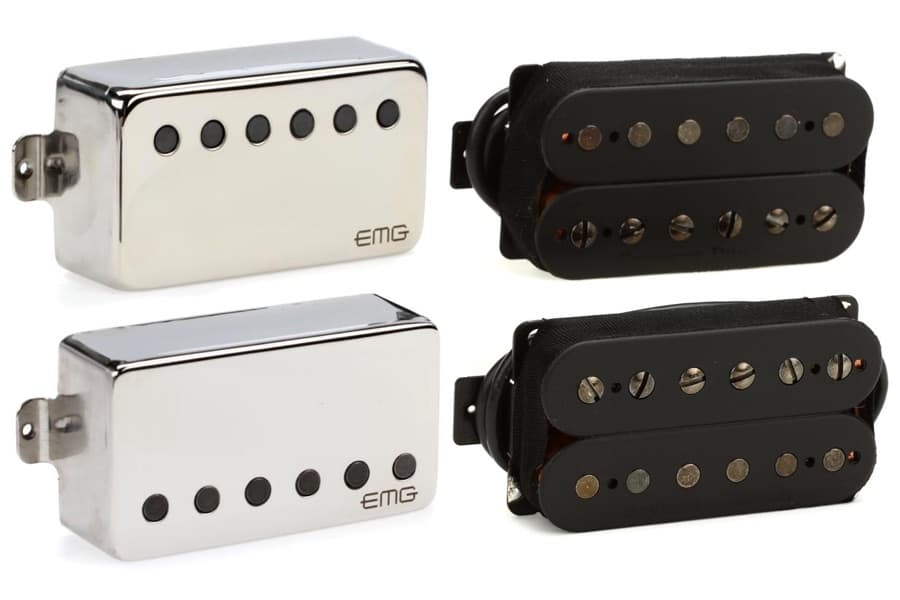
Choosing the right pickups for your guitar is one of the most important decisions you’ll make as a player. Pickups are the heart of your guitar’s tone, and understanding the difference between passive and active pickups can help you dial in your sound. Whether you’re a blues player chasing warm, mellow tones or a metalhead looking for clarity and punch, the right pickup will shape your entire playing experience. But how do you choose? Let’s break it down and explore the pros and cons of passive and active pickups, when to upgrade, and why it matters.
Passive Pickups: The Traditional Choice
What Are They?
Passive pickups are the classic pickup style found on most guitars. They operate without a battery, relying on the natural magnetic field created by the guitar strings to generate the signal. Passive pickups are typically simpler and have been around since the birth of the electric guitar.
Popular Brands: Fender, Gibson, Seymour Duncan, DiMarzio
Pros:
- Warm, Organic Tone: Passive pickups are known for their rich, natural sound with plenty of character.
- Dynamic Response: These pickups tend to react well to your playing style, meaning subtle changes in your picking attack can result in noticeable tonal shifts.
- Simple to Maintain: No need for batteries, making them easy to service and maintain.
- Versatility: Great for a wide range of genres, from rock to blues to jazz.
Cons:
- Lower Output: Passive pickups usually have a lower output compared to active pickups, meaning they can sound quieter or less aggressive, especially in high-gain situations.
- Prone to Noise: They can pick up more hum and interference, particularly with high-gain setups or in environments with lots of electrical equipment.
When to Upgrade:
Upgrade if you’re seeking a smoother, warmer tone and you’re primarily into genres like classic rock, blues, or jazz. Also, if you want a more traditional feel with dynamic control over your sound.
Active Pickups: The Modern Powerhouse
What Are They?
Active pickups are designed with built-in electronics that require a battery to operate. This gives them more power and allows for a higher output, making them ideal for certain styles of music that demand clarity and precision at high volumes.
Popular Brands: EMG, Seymour Duncan, Fishman
Pros:
- High Output: Active pickups are known for their loud, punchy sound, making them perfect for high-gain genres like metal and hard rock.
- Clarity and Precision: They offer a clear, defined sound that cuts through dense mixes, making them ideal for intricate playing or high-gain scenarios.
- Noise Reduction: Active pickups often include built-in circuitry that reduces hum and noise, even at high gain.
- Consistency: The tone is consistent across the entire frequency range, even with heavy distortion.
Cons:
- Requires a Battery: You’ll need to keep a battery in your guitar, which adds to maintenance. Batteries can also die unexpectedly, leaving you in a bind mid-performance.
- Less Dynamic Range: Active pickups don’t always respond to subtle changes in your picking attack as well as passive pickups, potentially making them feel a bit more sterile or “flat.”
- More Expensive: They tend to be pricier than passive pickups due to the added electronics.
When to Upgrade:
Upgrade to active pickups if you’re playing high-gain styles like metal, hard rock, or progressive rock. If you need a powerful, clear, and consistent tone at any volume level, active pickups are the way to go.
Passive vs. Active: The Key Differences
Tone and Feel
- Passive Pickups: They have a more natural, organic tone, perfect for genres that rely on subtle dynamics and warmth.
- Active Pickups: Produce a cleaner, louder tone that’s perfect for high-gain playing, making them the go-to choice for players who need precision and clarity.
Versatility
- Passive Pickups: These pickups are versatile enough to handle a wide range of styles, from clean, bluesy tones to crunchy rock riffs.
- Active Pickups: While they’re excellent for aggressive genres, they may not be as versatile for softer or more dynamic playing styles.
Maintenance
- Passive Pickups: Since they don’t require a battery, passive pickups are low-maintenance and more reliable in the long run.
- Active Pickups: These require battery changes, which can be a bit of a hassle, especially during long gigs.
Cost
- Passive Pickups: Generally, passive pickups are more affordable than active ones, making them an excellent choice for budget-conscious players.
- Active Pickups: They tend to be more expensive, but the added cost may be worth it if you’re looking for high-performance pickups.
Tips for Choosing the Right Pickup
- Consider Your Style: If you’re into heavy distortion and metal, active pickups are likely the better choice. For blues or classic rock, passive pickups will give you that warm, vintage tone.
- Try Before You Buy: If possible, test guitars with both passive and active pickups. This is the best way to determine which one suits your playing style and tone preferences.
- Know Your Guitar Setup: If you’re planning to upgrade your pickups, make sure your guitar is compatible with the new setup. Active pickups require a battery compartment, so if your guitar doesn’t have one, it might need modifications.
- Consider Your Gear: If you’re already using pedals with high gain or distortion, active pickups might offer the extra clarity you need to cut through. If you play mostly clean or light overdrive tones, passive pickups could offer a more organic sound.
Conclusion
Both passive and active pickups have their place in the world of guitar. The best choice depends on your playing style, genre, and tonal preferences. Passive pickups are great for players looking for warmth and dynamics, while active pickups are perfect for high-output, high-precision performance. Upgrade or switch your pickups if you’re looking for a tonal shift that fits your style—whether it’s the rich, organic sound of passive pickups or the clear, punchy power of active ones.
 oscaronguitars.com
Leave a comment