
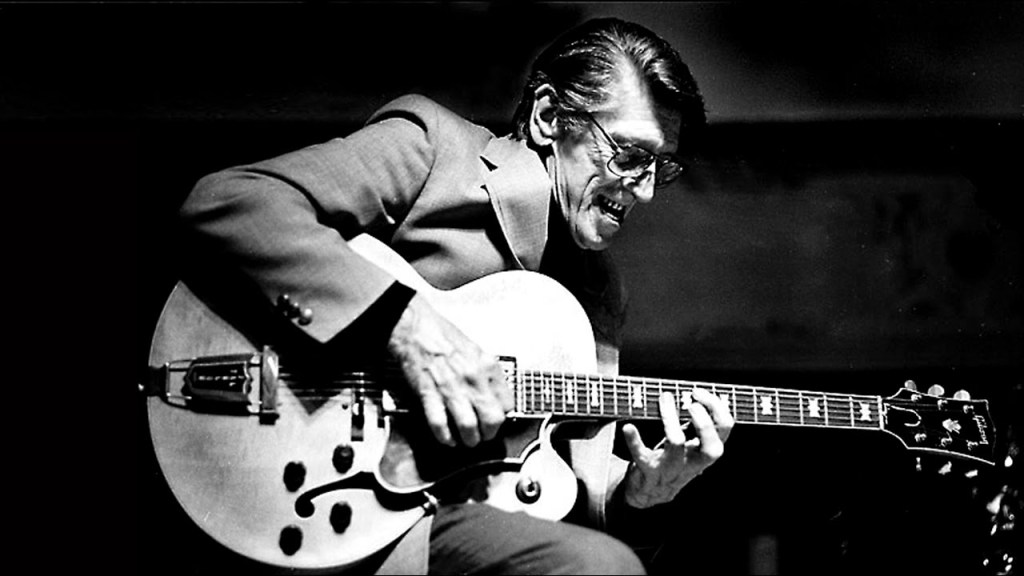
Tal Farlow, often referred to as “The Entertainer,” was a groundbreaking jazz guitarist whose innovative approach and virtuosic skill redefined the possibilities of the guitar in jazz. Known for his lightning-fast lines, intricate chord voicings, and deep understanding of harmony, Farlow’s influence on the guitar world remains significant even decades after his prime. His unique blend of technical prowess and creative expression set him apart as one of the most important figures in the history of jazz guitar.
In this article, we’ll dive into the life, style, and lasting legacy of Tal Farlow, exploring how he shaped the sound of modern jazz guitar.
Early Life and Musical Foundations
Born on June 7, 1921, in Dover, New Jersey, Tal Farlow showed an interest in music from an early age. He began playing guitar at the age of 13, initially influenced by the swing music and big bands of the era. Farlow was largely self-taught, drawing inspiration from recordings of notable guitarists like Charlie Christian and Django Reinhardt. His commitment to mastering the guitar led him to develop a distinctive style characterized by speed, agility, and complex harmonic ideas.
Farlow’s early musical experiences included playing in local bands and clubs, but he quickly realized that to grow as a musician, he needed to move to a larger city. In the late 1940s, he relocated to New York City, where he would immerse himself in the vibrant jazz scene.
Signature Style: A Blend of Innovation and Tradition
Tal Farlow’s guitar style was a unique blend of innovation and respect for the jazz tradition. His playing showcased remarkable technical ability, yet it was always rooted in a deep musicality. Let’s break down some of the defining characteristics of Farlow’s style that set him apart from his contemporaries.
1. Virtuosic Technique
One of the most striking aspects of Farlow’s playing was his extraordinary technique. His fingers moved effortlessly across the fretboard, allowing him to execute complex lines at breakneck speed. Farlow often employed alternate picking, legato phrases, and sweep picking, showcasing a mastery of various guitar techniques. This level of proficiency enabled him to tackle intricate bebop melodies and improvisations with ease, leaving audiences and fellow musicians in awe.
2. Harmonic Sophistication
Farlow’s understanding of harmony was another hallmark of his playing. He often used advanced chord voicings and substitutions that added depth and color to his solos. His knowledge of jazz theory allowed him to explore intricate chord progressions and navigate complex changes fluidly. He frequently employed diminished and augmented chords, as well as extended voicings, which added richness and complexity to his sound.
His use of harmonic improvisation made his solos unpredictable and exciting, as he would often move through different tonal centers while maintaining coherence in his lines.
3. Melodic Creativity
In addition to his technical prowess, Farlow was known for his melodic creativity. His solos often combined intricate runs with lyrical phrases, allowing him to create memorable musical ideas that resonated with listeners. Farlow had a knack for developing motifs and weaving them throughout his improvisations, creating a sense of narrative within his solos.
His ability to balance technical flair with emotive expression made his playing captivating and accessible, appealing to both jazz aficionados and casual listeners alike.
4. Unique Sound and Tone
Farlow played a Gibson ES-175, a hollow-body guitar renowned for its warm, resonant sound. His choice of instrument, along with his meticulous approach to tone, contributed to his distinctive voice on the guitar. Farlow often favored a light touch and a soft pick attack, which allowed for a smoother, more rounded sound. This tonal quality was particularly effective in conveying the nuances of his playing, whether he was performing delicate ballads or up-tempo bebop tunes.
Farlow was also known to use flatwound strings, which further contributed to his warm and mellow tone, giving his notes a rich, full-bodied character.
Career Highlights and Influential Recordings
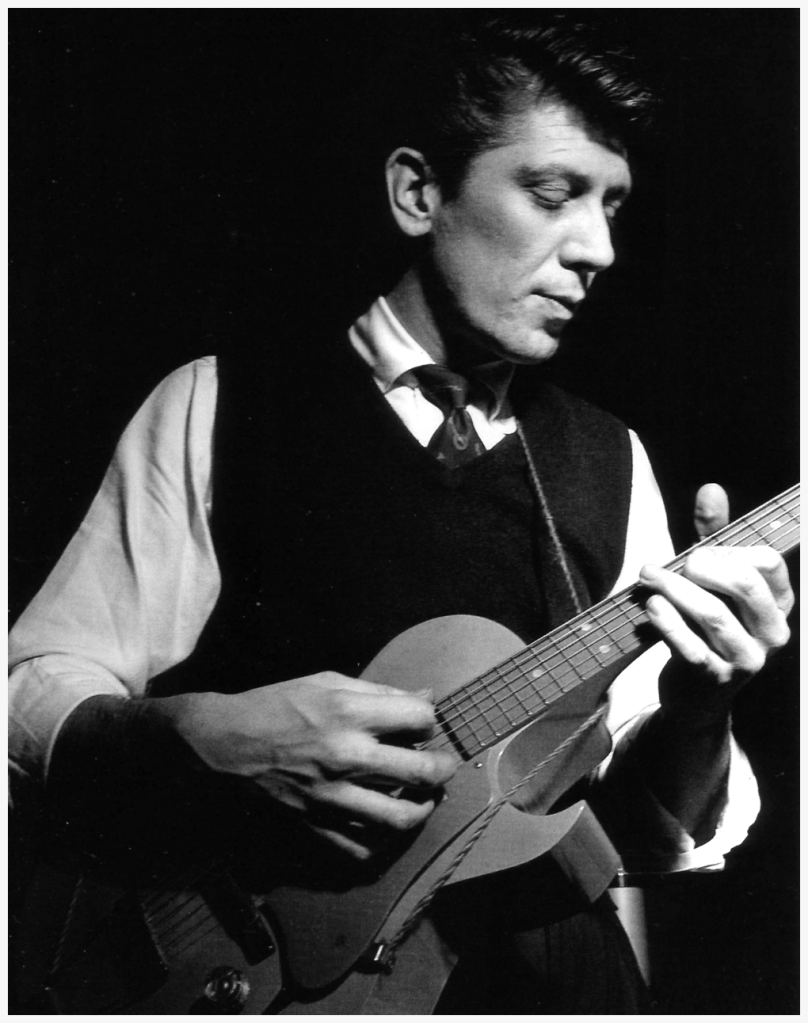
Tal Farlow’s career spanned several decades, and he left an indelible mark on the jazz landscape through his performances and recordings. Some key highlights of his career include:
1. The Tal Farlow Trio
In the early 1950s, Farlow formed the Tal Farlow Trio, which included renowned bassist Red Mitchell and drummer Vinnie Burrows. This group allowed him to showcase his talents as a bandleader and featured many memorable recordings. Their album The Tal Farlow Trio includes some of Farlow’s most iconic performances, where his melodic sensibilities shine through.
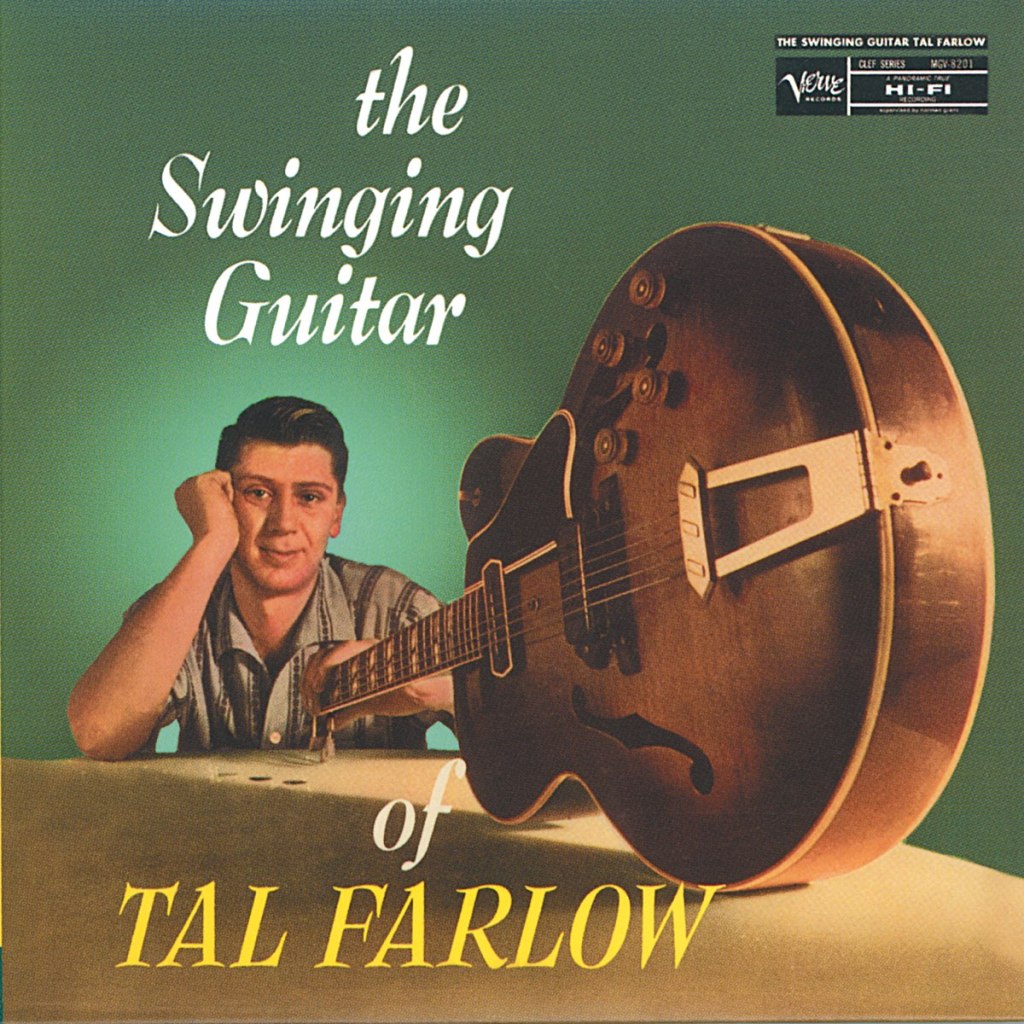
2. “The Swinging Guitar of Tal Farlow” (1956)
This album is one of Farlow’s signature recordings and showcases his incredible skill and creativity. With tracks like “Yesterdays” and “All the Things You Are,” Farlow’s playing is both breathtaking and deeply musical, providing listeners with a perfect blend of technical virtuosity and emotional depth.
3. Collaboration with Jazz Legends
Throughout his career, Farlow had the opportunity to collaborate with some of the biggest names in jazz, including Ella Fitzgerald, Art Tatum, and Oscar Peterson. His contributions to these recordings demonstrated his ability to adapt to different styles and settings while still maintaining his unique voice.
4. Return to Performing
After a period away from the spotlight in the 1960s, Farlow returned to performing in the 1970s, appearing at various jazz festivals and clubs. His comeback was well-received, and he continued to inspire new generations of guitarists with his performances.
Legacy and Influence
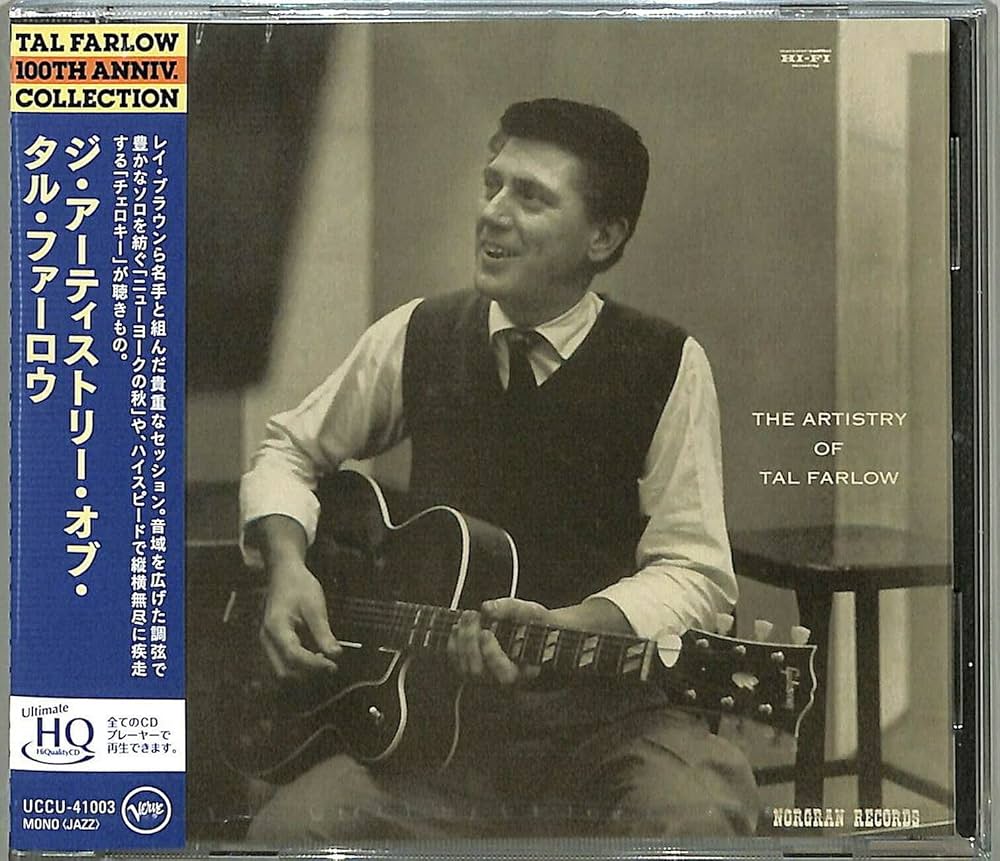
Tal Farlow’s influence on jazz guitar cannot be overstated. His innovative approach to improvisation and harmony has inspired countless guitarists, including contemporaries like Jim Hall and modern players such as Pat Metheny and Bill Frisell. Farlow’s unique blend of technical prowess, melodic creativity, and harmonic sophistication set a new standard for jazz guitarists and expanded the instrument’s possibilities within the genre.
In addition to his musical legacy, Farlow was also a mentor to many aspiring guitarists. His teachings emphasized the importance of individuality and creativity, encouraging students to develop their own voice on the instrument.
Conclusion
Tal Farlow was a true pioneer of jazz guitar, blending extraordinary technique with deep musicality and a distinctive sound. His innovative playing style and harmonic sophistication continue to resonate with guitarists today, solidifying his status as one of the greats in the history of jazz. Whether performing in a trio or collaborating with legends, Farlow’s artistry remains a benchmark for musicians seeking to explore the vast possibilities of jazz guitar.

 oscaronguitars.com
Leave a comment