
When you pick up a guitar, you’re not just holding a piece of wood with some strings. You’re interacting with a carefully designed instrument where each detail contributes to your tone, feel, and overall playing experience. One such detail, often overlooked by beginners, is the scale length of your guitar. The scale length is more than just a measurement; it affects everything from your string tension and action to your guitar’s tonal characteristics. So, let’s break it down—understanding scale length is key to dialing in your ideal sound and getting the best playability out of your guitar.
What is Scale Length?
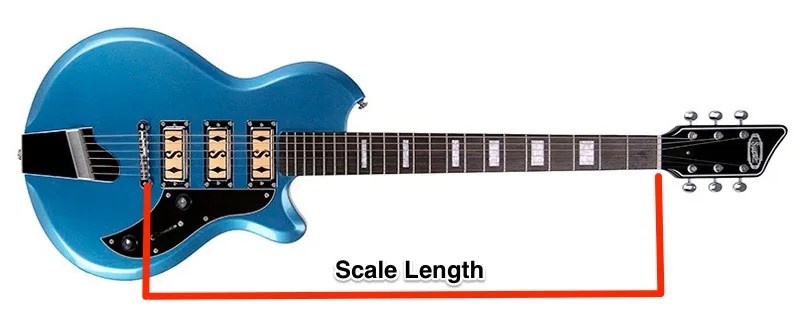
Scale length is the distance between the nut (the piece at the top of the neck) and the bridge (where the strings make contact on the body). More specifically, it’s the distance between the 12th fret and the nut, which is exactly half the total string length. This measurement directly impacts the string tension, tone, and even the feel of the guitar. Different scale lengths give different tonal qualities, making it essential to know how they affect your playing style and sound preferences.
Different Scale Lengths and Their Effects
1. Short Scale Length
Short scale guitars typically have a scale length between 24” and 25”. Famous guitars with short scale lengths include the Gibson Les Paul Junior (24.75”) and the Fender Mustang (24”).
Pros:
- Softer String Tension: Short scale guitars have lower string tension, which makes them easier to bend and play with a lighter touch.
- Warmer, Fuller Tone: Shorter scale lengths can produce a rounder, warmer tone with more pronounced midrange, perfect for jazz, blues, or classic rock.
- Better for Smaller Hands: Short scale guitars are more comfortable for players with smaller hands, as the frets are closer together.
Cons:
- Less Sustain: Due to the lower tension, short scale guitars can sometimes feel like they lack the sustain and sharpness found in longer scales.
- Limited High-End Brightness: Short scale guitars may not have the same high-end sparkle or clarity as longer-scale guitars.
When to Upgrade:
If you’re into smooth bends, relaxed playing, or want a warm, vintage-style tone, a short scale guitar is a great option. However, if you’re seeking maximum sustain and a more aggressive edge to your tone, you may want to try a longer scale.
2. Medium Scale Length
Medium scale guitars range between 25” and 25.5” and are often considered the “sweet spot” for most players. Many guitars like the Fender Telecaster (25.5”) and the PRS SE models fall into this category.
Pros:
- Balanced Tension and Tone: Medium scale guitars offer a nice balance between string tension, tone, and sustain. They’re versatile, handling a range of playing styles.
- Good for a Variety of Music: Whether you’re into rock, pop, or blues, the medium scale length can adapt to most genres, offering clarity and punch without being too mellow or too sharp.
- Comfortable for Most Players: The fret spacing isn’t too close, making it a good fit for most hand sizes.
Cons:
- Not as Specific for Niche Tones: While they are versatile, medium scales don’t shine in certain specialized areas, like the extra warmth of short scale or the brilliance of long scale.
When to Upgrade:
If you’re playing a wide range of genres and want an all-arounder, a medium scale guitar is perfect. You won’t need to upgrade unless you’re searching for something more specific, like a brighter or more aggressive tone.
3. Long Scale Length
Long scale guitars have a scale length of 25.5” or greater, with popular models including Fender Stratocasters (25.5”) and various modern guitar designs.
Pros:
- Tighter String Tension: Longer scale lengths give you higher string tension, which results in a snappier feel and more controlled bends. Perfect for those who like precision.
- Brighter, Sharper Tone: These guitars typically have more clarity and brightness, cutting through mixes with ease. They’re ideal for genres like rock, metal, or country.
- More Sustain: With higher string tension, long scale guitars offer more sustain and better note clarity, especially with distortion or overdrive.
Cons:
- Tougher on the Hands: The increased string tension can make bends harder to execute, requiring more strength in the fingers.
- Can Feel Stiff: Some players find long scale guitars to feel stiffer in comparison to short scales, which might be less comfortable for beginners or those with smaller hands.
When to Upgrade:
If you’re looking for sharp, defined tones with more sustain or you’re playing aggressive genres like rock or metal, the long scale guitar is a solid choice. But if you’re a beginner or prefer softer tones, you might want to stick to a shorter scale.
Scale Length and Tone: How to Choose
Tone Considerations
- Short Scale: Generally warmer and smoother, with more emphasis on mids and less emphasis on high-end clarity.
- Medium Scale: A balanced tone that works in a variety of settings, offering both warmth and brightness.
- Long Scale: More bright and defined with a crisp high end, making them ideal for those who want sharp tones and extended sustain.
Playability Considerations
- Short Scale: Easier bends, softer feel, great for small hands or relaxed playing.
- Medium Scale: Offers a comfortable compromise, good for most players and styles.
- Long Scale: Tighter feel and better sustain, but harder to bend—best for players who prefer precision and are willing to work for it.
Tips for Finding Your Perfect Scale Length
- Try Before You Buy: If possible, play a few guitars with different scale lengths. You might be surprised by how much the scale length affects your playing.
- Consider Your Playing Style: If you like to play fast, smooth solos or bends, a shorter scale might feel more natural. If you’re more into rhythm playing or need clarity at high volumes, longer scales are your friend.
- Don’t Forget About Your Hands: Players with smaller hands or shorter fingers may feel more comfortable with a short or medium scale. If your hands are larger, you might appreciate the tension and feel of a long scale.
- Consider Tone Needs: For warmer, vintage sounds, go short. For more sustain and brightness, long scale is the way to go.
Conclusion
Understanding the scale length of your guitar is essential to unlocking its full potential. Whether you go for a short, medium, or long scale depends on your style, genre, and tone preference. Short scales offer comfort and warmth, medium scales give a balanced tone for all-around playing, and long scales deliver crisp brightness and sustain. By experimenting with scale lengths, you can find the right fit for your hands and musical expression.
 oscaronguitars.com
Leave a comment