
1. What Are DIY Guitar Kits?
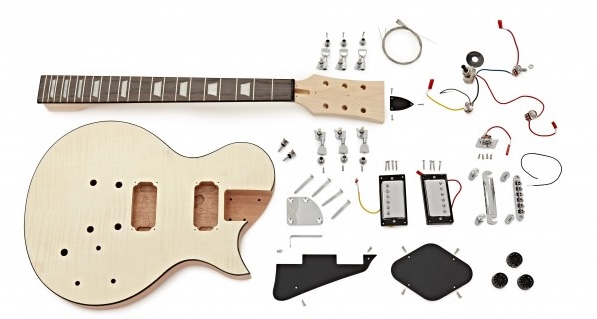
DIY guitar kits provide everything you need to build your own guitar from scratch. These kits typically include all the components—body, neck, hardware, electronics, and sometimes even strings—along with instructions to guide you through the assembly process.
Types of DIY Guitar Kits:
- Bolt-On Kits: These kits feature a bolt-on neck, which is easier to assemble and adjust. They are common for electric guitars like Stratocasters and Telecasters.
- Set-Neck Kits: Set-neck kits involve gluing the neck to the body, which can be more challenging but offers a different tonal quality and feel. These are often used for guitars like Les Pauls.
- Acoustic Guitar Kits: Acoustic kits provide all the wooden parts, bracing, and hardware to build an acoustic guitar. These kits are generally more complex and require more precision.
- Bass Guitar Kits: Bass kits are also available for those interested in building a bass guitar. These kits usually follow similar construction methods to electric guitar kits.
Why Consider a DIY Kit?
- Customization: Building your own guitar allows you to customize various aspects, such as the finish, hardware, and pickups, to create a unique instrument that reflects your personal style.
- Learning Experience: The process of building a guitar can be highly educational, giving you a deeper understanding of how guitars are constructed and how they work.
- Satisfaction: There’s a unique sense of accomplishment that comes from playing an instrument you’ve built with your own hands. It can be a rewarding project for those who enjoy working with their hands.
2. The Pros of Building Your Own Guitar
Building your own guitar using a DIY kit has several advantages, especially for those who enjoy hands-on projects and want a personalized instrument.
Customization and Creativity:
- Unique Design: With a DIY kit, you can choose the color, finish, and hardware to create a guitar that’s truly one-of-a-kind. You’re not limited to the options available in stores.
- Upgrade Potential: You can select higher-quality components, such as pickups or tuners, from the start or upgrade them later. This allows you to create a guitar that meets your specific needs and preferences.
Cost-Effectiveness:
- Budget-Friendly: DIY kits can be more affordable than buying a pre-built guitar, especially when considering custom models. You can also spread out the cost by purchasing upgrades over time.
- Learning Value: The knowledge you gain from building a guitar can save you money in the long run. Understanding how guitars work makes you better equipped to handle repairs and modifications on future instruments.
Personal Satisfaction:
- Sense of Achievement: Completing a guitar build provides a deep sense of satisfaction. Every time you play the instrument, you’ll be reminded of the hard work and dedication you put into building it.
- Hands-On Experience: If you enjoy working with your hands, the process of sanding, shaping, and assembling a guitar can be a highly enjoyable and therapeutic experience.
3. The Cons of Building Your Own Guitar
While building a guitar can be rewarding, it’s not without its challenges. Here are some potential downsides to consider before starting your DIY project.
Time and Effort:
- Time-Consuming: Building a guitar from a kit can take a significant amount of time, especially if you’re new to the process. It’s not a project that can be rushed, and it requires patience and attention to detail.
- Learning Curve: If you have no prior experience with woodworking or electronics, there will be a learning curve. Mistakes are common, especially on your first build, and they can be frustrating.
Tools and Workspace:
- Tool Requirements: While some kits only require basic tools, others might need specialized equipment, such as soldering irons, clamps, or sanders. If you don’t already own these tools, acquiring them can add to the cost.
- Workspace: You’ll need a suitable workspace to assemble the guitar, preferably a well-ventilated area with good lighting. Working on a guitar can create dust, fumes, and noise, so it’s important to have a dedicated space.
Potential for Mistakes:
- Errors in Assembly: Misaligning the neck, improperly soldering the electronics, or over-sanding the body are just a few of the mistakes that can happen during the build. While these can often be fixed, they can also affect the final quality of the guitar.
- Quality Control: The quality of DIY kits can vary, with some lower-end kits having poorly fitting parts or subpar components. It’s important to choose a reputable kit to minimize these risks.
4. What to Expect from the Process
If you decide to build your own guitar, it’s important to know what to expect from the process. Here’s a general overview of the steps involved:
1. Preparing the Parts:
- Inspect the Kit: Before you start, carefully inspect all the parts in your kit to ensure everything is included and in good condition.
- Sanding and Shaping: Most kits will require some sanding to smooth out the body and neck. This is also your opportunity to make any modifications to the shape if desired.
- Drilling and Routing: Some kits may require additional drilling or routing for components like the bridge, pickups, or control cavities. Follow the instructions carefully to avoid mistakes.
2. Finishing the Body and Neck:
- Choosing a Finish: Decide on the finish for your guitar. This could be a natural wood finish, paint, or a more complex design. The finish will protect the wood and enhance the guitar’s appearance.
- Applying the Finish: Depending on your choice, you’ll need to apply multiple coats of stain, paint, or lacquer, with sanding in between to achieve a smooth, professional look.
- Polishing: After the final coat has dried, polishing the guitar will give it a glossy, attractive finish.
3. Assembly:
- Installing Hardware: Once the finish is complete, you’ll install the hardware, including the bridge, tuners, pickups, and control knobs.
- Attaching the Neck: Depending on the type of kit, you’ll either bolt or glue the neck to the body. It’s crucial to align the neck properly to ensure good playability.
- Wiring the Electronics: For electric guitars, you’ll need to solder the pickups, pots, and switches according to the wiring diagram provided. This step requires precision to avoid any issues with the guitar’s sound.
4. Setup and Tuning:
- Setting the Action: Adjust the string height (action) to ensure the guitar is comfortable to play without buzzing.
- Intonation: Adjust the intonation so that the guitar plays in tune across the entire fretboard.
- Final Tuning: Tune the guitar and check for any final adjustments needed. Once everything is set, your guitar is ready to play!
5. Tips for a Successful DIY Guitar Build
If you’re ready to take the plunge and build your own guitar, here are some tips to help ensure your project is a success:
Start with a Simple Kit:
- Beginner-Friendly: Choose a kit that’s known for being beginner-friendly, such as a bolt-on electric guitar kit. Avoid more complex builds, like acoustic or set-neck guitars, until you’ve gained more experience.
Take Your Time:
- Patience is Key: Don’t rush the process. Take your time with each step, especially when sanding, finishing, and assembling. The more care you put into the build, the better the final result will be.
- Follow Instructions: Carefully follow the instructions provided with the kit. If you’re unsure about a step, look for tutorials or ask for help in online forums.
Invest in Quality Tools:
- Proper Tools: Invest in good-quality tools, as they can make the difference between a frustrating build and a smooth one. Essential tools include screwdrivers, a soldering iron, clamps, and sandpaper in various grits.
- Safety First: Always prioritize safety. Wear protective gear, such as safety glasses and a dust mask, when sanding, cutting, or soldering.
Seek Help When Needed:
- Online Communities: Join online forums or social media groups where you can ask questions, share progress, and get advice from more experienced builders.
- Tutorials and Videos: There are many tutorials and videos available online that can guide you through specific steps or techniques. Don’t hesitate to use these resources.
6. Conclusion: Is Building Your Own Guitar Right for You?
Building your own guitar using a DIY kit can be a rewarding and educational experience, offering a unique opportunity to create a custom instrument that reflects your personal style. However, it also requires time, patience, and a willingness to learn from mistakes.
If you enjoy hands-on projects and are excited about the idea of playing a guitar you built yourself, a DIY kit might be the perfect choice. Just remember to start with a simple kit, invest in quality tools, and take your time to ensure a successful build. Whether you’re looking to create a one-of-a-kind instrument or simply learn more about how guitars work, building your own guitar can be a fulfilling journey that deepens your connection to the music you love.
 oscaronguitars.com
Leave a comment