
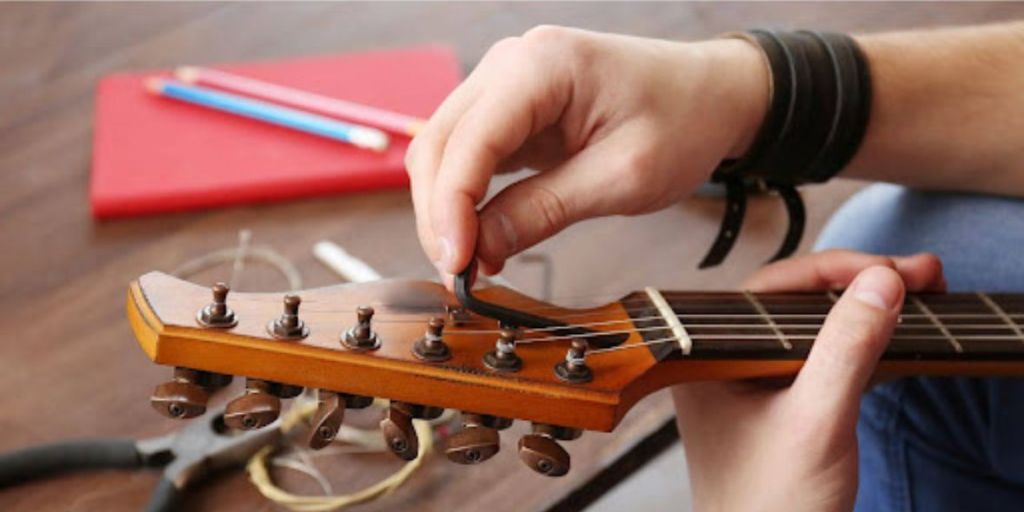
Your guitar is more than just an instrument—it’s a piece of art that can deliver powerful, beautiful sounds when it’s in top shape. But just like any masterpiece, it needs the right setup to perform at its best. Guitar setup is an art that involves adjusting various parts of the guitar to fit your playing style, preferences, and comfort level. Whether you’re a seasoned player or a beginner, learning how to properly set up your guitar can make a huge difference in both playability and tone.
What Is Guitar Setup?
Guitar setup refers to the process of adjusting various components of the guitar, including the neck, bridge, pickups, and hardware, to optimize its performance. It can include adjusting the truss rod, action (string height), intonation, and pickup height, as well as ensuring your guitar is in overall good condition.
Having a guitar set up correctly is like having a custom-made suit—it fits your unique needs, whether you’re looking for a fast-playing neck or a punchy, defined tone.
Key Steps in a Guitar Setup
1. Neck Adjustment (Truss Rod)
The truss rod is a metal rod that runs along the neck of the guitar. It helps to counteract the tension of the strings and maintain the neck’s straightness. If the neck is too curved (back bow), your action might be too low and cause buzzing; if it’s too straight or has a forward bow, the action might be too high and uncomfortable to play.
Tip: Adjust the truss rod in small increments (a quarter turn at a time). Check the neck’s relief by pressing down the low E string at the first and 12th fret—there should be a tiny gap (about the thickness of a business card) at the 7th fret.
2. Action (String Height)
Action refers to the height of the strings off the fretboard. Too high and you’re working harder than necessary to play; too low and you risk string buzzing. The optimal action depends on your playing style and preferences, but most players find a balance between comfort and tone.
Tip: Adjust action at the bridge. On a Stratocaster-style guitar, this is done by adjusting the screws on each saddle. On Gibson-style guitars, you’ll adjust the bridge posts.
3. Intonation
Intonation ensures that the guitar plays in tune up and down the fretboard. If the 12th fret harmonic doesn’t match the fretted note, your guitar is out of tune at certain spots.
Tip: Use a tuner to check intonation. If the fretted note at the 12th fret is sharp, move the saddle back; if it’s flat, move it forward.
4. Pickup Height
Pickup height plays a crucial role in shaping your tone. If the pickups are too high, they might overpower the strings, causing a harsh or muddy sound. If they’re too low, your guitar might sound weak.
Tip: Adjust the pickups to about the same height on both sides, ensuring they’re neither too close to the strings nor too far away. Many players recommend setting the neck pickup lower for smoother tones and the bridge pickup higher for more bite.
5. String Gauge and Tuning
String gauge can significantly impact how your guitar feels and sounds. Lighter gauges are easier to bend and play, while heavier gauges provide more tone and sustain but require more finger strength.
Tip: Choose the gauge that fits your style. Lighter gauges are ideal for fast, bending solos, while heavier gauges are better for rhythm and lower tunings.
When to Upgrade Your Setup
Upgrading your guitar setup might be necessary if:
- Action feels too high or low: If you’re constantly adjusting your playing technique to accommodate the action, it’s time to make adjustments.
- Strings buzz: A guitar setup can help eliminate unwanted buzzing caused by low action, warped necks, or uneven frets.
- Tone is lacking or inconsistent: If your guitar sounds out of tune or your pickups aren’t giving you the tone you want, a setup can help balance everything out.
- You’ve changed strings or tunings: Switching to a heavier gauge or a different tuning can affect the setup, requiring adjustments to things like truss rod and action.
Tips for Maintaining Your Guitar Setup
- Clean your guitar regularly: Dust, dirt, and grime can affect your playing and make it harder to adjust your setup. Regular cleaning will keep things smooth.
- Use the right tools: A good set of tools, including a tuner, screwdrivers, and a capo, is essential for fine-tuning your setup.
- Don’t skip professional setups: While you can do a basic setup yourself, every so often, take your guitar to a professional. They’ll ensure everything is dialed in correctly, especially if you make big changes (like switching pickups or string gauges).
Conclusion
Setting up your guitar isn’t just about adjusting screws and rods—it’s about customizing your instrument to match your style and preferences. Whether you’re adjusting the action for a smoother feel or tuning the pickups for a punchier sound, a well-set-up guitar can make playing more enjoyable and improve your tone. Take the time to learn the basics of guitar setup, and don’t hesitate to get professional help when needed. Your guitar will thank you with better sound and easier playability.
 oscaronguitars.com
Leave a comment