
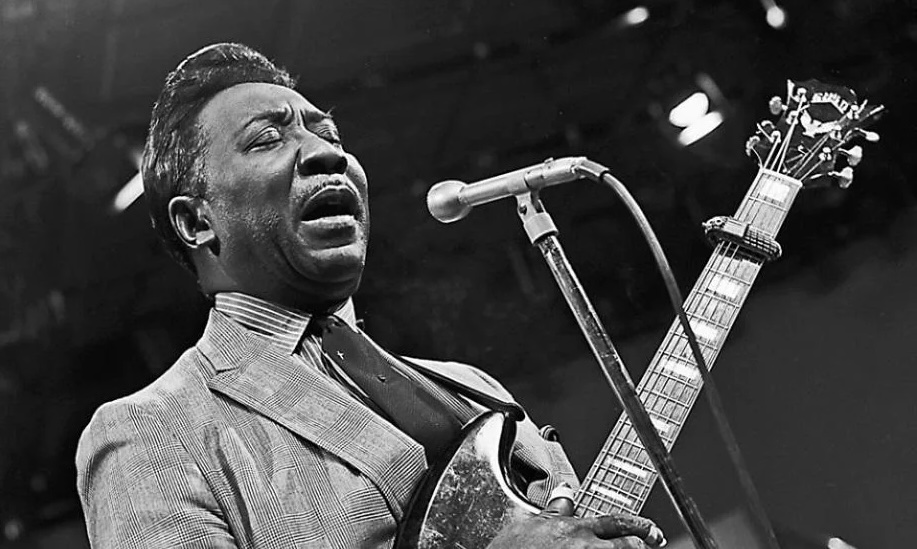
From Mississippi Delta to Chicago’s Streets
Born McKinley Morganfield on April 4, 1913, in Issaquena County, Mississippi, Muddy Waters is universally celebrated as one of the most pivotal figures in the history of the blues. Often referred to as the “Father of Modern Chicago Blues,” his work not only shaped the blues genre but also laid the foundation for the development of rock and roll.
A Migration to Musical Innovation
Waters’ journey to Chicago in 1943 marked a turning point in his career and the blues genre. Transitioning from acoustic Delta blues to an electrified version that resonated through the urban environment of Chicago, Waters pioneered a sound that incorporated electric guitar, bass, and drums, radically transforming the blues landscape. His powerful voice, charismatic presence, and innovative use of electric guitar made him a dominant force in the Chicago blues scene.
Iconic Tracks: The Voice of the Blues
Muddy Waters’ discography is a cornerstone of blues music, with several tracks that have become definitive:
- “Hoochie Coochie Man” – Written by Willie Dixon and performed by Waters, this song became one of the anthems of Chicago blues with its memorable guitar riffs and confident lyrical delivery.
- “Mannish Boy” – A reworking of the classic blues song “I’m a Man,” this track is celebrated for its powerful vocal performance and driving rhythm.
- “Rollin’ Stone” – This song provided the name for the famous rock band The Rolling Stones, showcasing Waters’ profound influence on rock music.
- “Got My Mojo Working” – A live performance favorite, this song is noted for its infectious energy and Waters’ charismatic delivery.
Gear and Technique: Shaping the Sound of Blues
Muddy Waters was known for his robust and expressive guitar playing, primarily using a Fender Telecaster later in his career to produce his signature thick, cutting tone. He played slide guitar with a glass or metal slide, a technique that became central to the blues sound, producing the expressive wails and moans that are synonymous with the genre. His playing style, deeply rooted in the Delta blues tradition, was adapted to the urban environment, influencing countless blues and rock musicians.
Influence and Impact
Muddy Waters’ impact on music extends far beyond the blues. He is credited with electrifying the blues, a revolutionary move that paved the way for the development of rock and roll. His music influenced a wide range of artists, from rock giants like Led Zeppelin and Eric Clapton to blues legends like Buddy Guy and Howlin’ Wolf. Waters’ ability to channel raw emotion into his music made his work timeless, continuing to resonate with audiences and musicians alike.
Conclusion: The Lasting Legacy of Muddy Waters
Muddy Waters remains an iconic figure in American music, his legacy enduring through his profound influence on the blues and rock genres. His innovations in guitar playing and musical style continue to be celebrated, studied, and revered, ensuring his place as a foundational figure in the development of modern music.
Bonus Track: 10 Facts About Muddy Waters
- Origin of Stage Name: Derived his stage name “Muddy Waters” from the muddy waters of the Mississippi River near his childhood home.
- Grammy Awards: Won several Grammy Awards later in his career, recognizing his contributions to music.
- Influence on Rock: His music heavily influenced the British blues explosion of the 1960s.
- First Recordings: Made his first recordings for the Library of Congress in 1941.
- Electric Blues Pioneer: Among the first to use electric guitar to amplify the blues.
- Chess Records: His recordings with Chess Records solidified his status as a blues legend.
- Blues Band: Led one of the tightest and most respected bands in the Chicago blues scene.
- International Tours: Toured extensively, bringing the blues to international audiences.
- Cultural Impact: His life and music were featured in documentaries and films, cementing his cultural legacy.
- Legacy and Honors: Inducted into the Rock and Roll Hall of Fame in 1987, a testament to his lasting influence on the music world.
 oscaronguitars.com
Leave a comment