
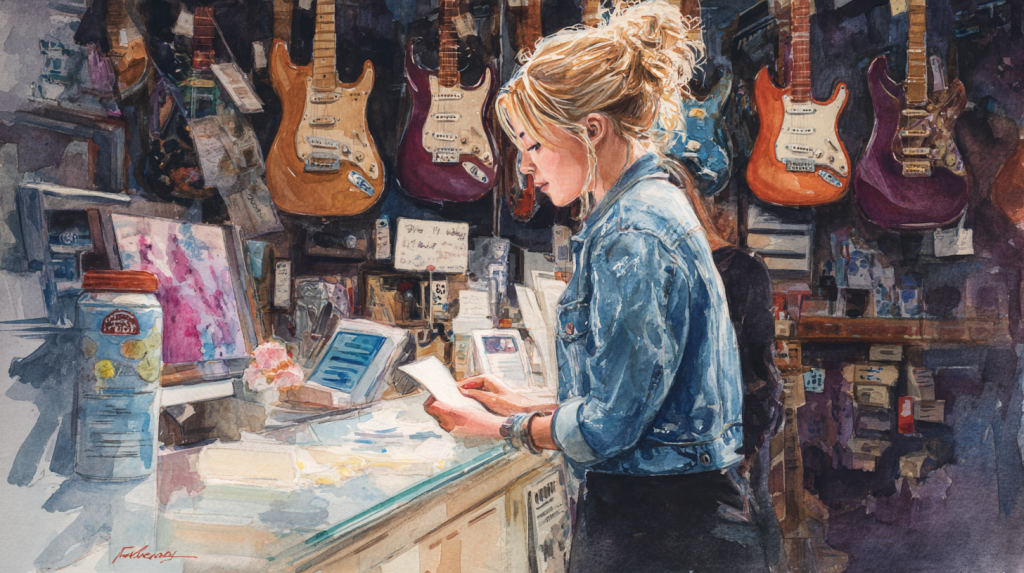
1. What Influences Guitar Resale Value?
Several factors determine whether a guitar will retain its value or appreciate over time. Understanding these factors can help you make smarter investment decisions.
Brand Reputation:
- Established Brands: Guitars from well-known and respected brands like Gibson, Fender, Martin, and PRS tend to hold their value better than lesser-known brands. These companies have a long history of producing high-quality instruments, which boosts their desirability on the resale market.
- Boutique Brands: Boutique guitars from small, high-end manufacturers can also hold or increase in value, especially if they are known for exceptional craftsmanship and limited production.
Model Popularity:
- Iconic Models: Certain guitar models, like the Gibson Les Paul, Fender Stratocaster, and Martin D-28, have a strong legacy and consistent demand. These models are often associated with famous musicians and have become staples in various music genres, making them more likely to appreciate in value.
- Limited Editions: Limited edition guitars or special runs often hold or increase in value due to their rarity and unique features. Collectors are particularly interested in these models, which can drive up prices over time.
Condition and Originality:
- Mint Condition: Guitars in mint or near-mint condition, with minimal wear and tear, are more likely to retain their value. Instruments that have been well-maintained, with original components intact, are especially desirable.
- Original Parts: Guitars that retain all their original parts—such as pickups, tuners, and hardware—are typically worth more than those with aftermarket modifications or replacements. Collectors value authenticity, and original components play a big role in determining a guitar’s worth.
Age and Vintage Status:
- Vintage Guitars: Guitars from certain eras, particularly the 1950s to 1970s, are highly sought after. Vintage guitars from this period, especially those made by Gibson, Fender, and Martin, can significantly appreciate in value due to their historical significance and craftsmanship.
- Aging Process: Some guitars, especially those with nitrocellulose finishes, develop a desirable patina as they age. This natural aging process can enhance the guitar’s character and increase its value.
Rarity and Demand:
- Low Production Numbers: Guitars that were produced in limited quantities or have been discontinued often become more valuable over time due to their scarcity.
- Cultural and Musical Influence: Guitars associated with influential musicians or specific cultural moments can see a spike in demand and value. For example, a guitar model popularized by a famous guitarist may appreciate in value after their passing or during a resurgence in their music’s popularity.
2. Guitars That Tend to Hold or Increase in Value
While predicting the future value of a guitar is never an exact science, certain types of guitars have a track record of holding or increasing in value. Here are some examples:
1. Vintage Guitars:
- Gibson Les Paul (1958-1960): The original Gibson Les Paul Standard models from 1958 to 1960, particularly those with the “burst” finish, are among the most valuable guitars in the world. These guitars are iconic, with a legendary tone and association with some of the greatest guitarists in history.
- Fender Stratocaster (1954-1965): Early Fender Stratocasters from the 1950s and early 1960s, especially those with the original pre-CBS specs, are highly collectible and can command high prices on the resale market.
- Martin D-28 (Pre-War): The Martin D-28 guitars made before World War II are considered some of the finest acoustic guitars ever built. Their craftsmanship, tone, and rarity make them incredibly valuable.
2. Limited Edition and Signature Models:
- Fender Custom Shop: Fender’s Custom Shop produces limited runs of guitars, often with unique finishes, specifications, and historical significance. These guitars are highly sought after by collectors and tend to hold their value well.
- Gibson Custom Shop: Similar to Fender, Gibson’s Custom Shop produces limited edition models, including reissues of iconic guitars from the brand’s history. These models are often made with meticulous attention to detail and premium materials, making them desirable investments.
- Signature Models: Guitars associated with famous musicians, such as the Jimmy Page Les Paul or the Eric Clapton Stratocaster, often appreciate in value, particularly if the artist is highly influential or iconic.
3. High-End and Boutique Guitars:
- PRS Private Stock: Paul Reed Smith’s Private Stock guitars are made with the highest quality materials and craftsmanship, often featuring exotic woods, custom inlays, and limited production. These guitars are built as both instruments and works of art, and they typically hold their value well.
- Collings Guitars: Collings is known for producing high-quality acoustic and electric guitars with exceptional craftsmanship. Their limited production and attention to detail make them a solid investment.
- Suhr Guitars: Suhr produces high-end electric guitars known for their playability and precision. Custom Suhr models, especially those with unique specs or finishes, tend to hold their value well.
3. Tips for Buying Guitars with Resale Value in Mind
If you’re purchasing a guitar with the goal of retaining or increasing its value, here are some tips to help you make a smart investment:
1. Do Your Research:
- Market Trends: Study the market trends for the guitar models you’re interested in. Look at how their value has changed over time and consider factors like brand reputation, model popularity, and historical significance.
- Condition Matters: Always prioritize guitars in excellent condition, with minimal wear and tear, original parts, and proper documentation. The better the condition, the higher the potential resale value.
2. Consider Rarity and Demand:
- Limited Editions: Look for limited edition models or guitars that were produced in small quantities. These guitars often become more valuable due to their scarcity.
- Cultural Significance: Consider guitars associated with influential musicians, genres, or cultural moments. These instruments often have strong resale potential due to their connection to music history.
3. Buy from Reputable Sources:
- Trusted Dealers: Purchase from reputable dealers or sellers with a proven track record in the guitar market. Established dealers can provide authenticity guarantees and accurate appraisals, giving you confidence in your investment.
- Avoid Fakes: Be cautious of counterfeit or misrepresented guitars, especially when buying vintage or high-end models. Verify authenticity through documentation, expert opinions, and careful inspection.
4. Preserve and Maintain Your Guitar:
- Proper Storage: Store your guitar in a climate-controlled environment to prevent damage from humidity or temperature changes. Use a quality case to protect it from physical damage.
- Regular Maintenance: Keep your guitar in top condition by performing regular maintenance, such as cleaning, restringing, and checking for any potential issues. A well-maintained guitar retains its value better than one that’s neglected.
5. Think Long-Term:
- Patience Pays Off: Some guitars take years to appreciate in value. Be prepared to hold onto your guitar for the long term if you want to see significant returns on your investment.
- Consider Future Demand: Try to anticipate future trends in the guitar market. For example, guitars associated with certain genres or playing styles may become more valuable as musical trends evolve.
4. Conclusion: Making a Smart Guitar Investment
Investing in a guitar with resale value in mind requires careful consideration and a deep understanding of the factors that influence a guitar’s worth. By focusing on established brands, iconic models, limited editions, and guitars in excellent condition, you can make a smart investment that holds or increases in value over time.
Whether you’re a collector looking to build a valuable portfolio or a musician who wants to make informed purchasing decisions, understanding guitar resale value is key to making the most of your investment. With the right approach, you can enjoy both the musical and financial rewards of owning a guitar that stands the test of time.
 oscaronguitars.com
Leave a comment