
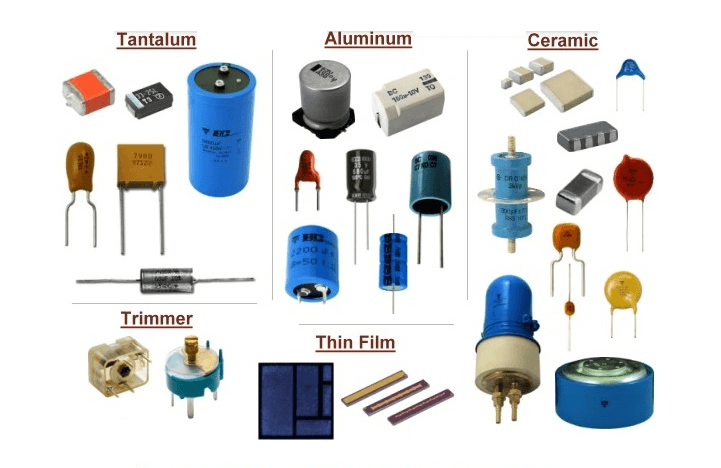
When you’re dialing in your electric guitar tone, there’s one unsung hero in the circuit that can make a big difference: the capacitor. While it might not be as flashy as pickups or bridges, the capacitor plays a crucial role in shaping your sound. Whether you’re a tone-chaser or a player looking to tweak your gear, understanding capacitors can give you more control over your instrument’s voice. Let’s dive into the role of capacitors in your guitar circuit and how they influence your tone.
What Are Capacitors and How Do They Work in a Guitar?
In simple terms, a capacitor is an electronic component that stores and releases electrical energy. In a guitar, capacitors are used in the tone control circuit to filter high frequencies and shape the overall sound. The capacitor works alongside the potentiometer (the tone knob) to control the treble frequencies that reach the output.
When you turn down your tone knob, the capacitor allows more of the high frequencies to “pass through” and fade away, resulting in a smoother, warmer sound. This is why rolling down your tone knob on your guitar makes your tone darker and more mellow.
Types of Capacitors and Their Impact on Tone
1. Ceramic Capacitors
Ceramic capacitors are often found in more budget-friendly guitars. They have a distinct sound that’s sometimes described as slightly “harsh” or “sharp.” Some players love this for its clarity, while others may find it too bright, especially when used with high-output pickups.
Tip: Ceramic capacitors tend to have a higher tolerance for heat, making them durable, but they can introduce a more brittle tone that might not suit everyone.
2. Paper in Oil Capacitors
These are often regarded as vintage-style capacitors, known for their smooth and warm tonal characteristics. Many players swear by them for the mellow, organic sound they produce, which is why they’re commonly used in high-end boutique guitars or by those recreating classic tones.
Tip: If you’re chasing a vintage sound or prefer a more natural, rounded tone, paper-in-oil capacitors could be the way to go. They’re often more expensive but well worth it for the right tonal characteristics.
3. Polyester (Mylar) Capacitors
Polyester capacitors, also known as Mylar, are affordable and reliable. They’re often used in mid-range guitars and provide a balanced tone without being overly bright or dark. The sound can be described as somewhat neutral, making them versatile for various styles.
Tip: These capacitors are a good choice for players who want consistency and reliability without a huge tonal shift. They work well in most settings, from blues to rock.
4. Film Capacitors
Film capacitors are another common type of capacitor, and they offer a range of tonal qualities depending on the material used (e.g., polyester, polypropylene). They are popular because they offer a well-rounded tone that can enhance both warmth and clarity.
Tip: If you’re looking for an overall balanced tone with good longevity, a high-quality film capacitor can be a solid investment. Look for ones with low tolerances for a more precise sound.
How Capacitors Affect Tone Control
The main way capacitors affect your sound is by influencing the tone control (the treble frequencies) of your guitar. A higher-value capacitor will allow more high frequencies to roll off when you turn the tone knob, creating a smoother and more muffled sound. A lower-value capacitor, on the other hand, will filter less, keeping more of the high-end present even when the tone knob is dialed back.
Common Capacitor Values in Guitars
- .022µF – The most common value for many electric guitars, particularly for humbucker-equipped instruments. It offers a balanced tone, cutting enough high frequencies without becoming too dull.
- .047µF – Often used for single-coil pickups (like those in Stratocasters) as it provides a bit more high-end roll-off, making it great for smoother, more vintage tones.
- .1µF – A higher value that cuts even more high frequencies. It’s usually found in guitars that are set up for heavier, bluesier tones, where more of the warmth and mids are preferred.
Tip: Experimenting with different capacitor values can help you find that sweet spot for your playing style. It’s not about one capacitor being better than the other—it’s about matching it to your desired tone.
When to Upgrade Your Capacitor
While capacitors don’t need to be replaced as frequently as strings or pickups, there are times when upgrading makes sense. If you’re experiencing a harsh, brittle tone or feel that your guitar’s tonal options are lacking, a capacitor change can help soften things up and make your tone more versatile.
Tip: If you’re going for a specific tone (like a smoother, vintage sound), swapping out your stock ceramic capacitor for a paper-in-oil or film capacitor can provide a noticeable improvement.
Conclusion
Capacitors may seem like small and insignificant components, but they have a huge influence on your guitar’s tone. By understanding their role in shaping your sound, you can make more informed decisions about how to tweak your instrument to match your playing style. Whether you’re going for that sharp, bright sound or something warmer and more vintage, a simple capacitor change could be the key to unlocking the tone you’re after.
 oscaronguitars.com
Leave a comment