
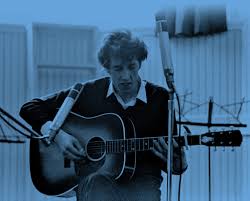
Bert Jansch stands as a pivotal figure in the world of acoustic guitar, a virtuoso whose intricate fingerstyle playing and profound songwriting left an indelible mark on folk and rock music. With a career spanning over five decades, Jansch’s innovative techniques and deep musicality influenced a generation of musicians and continue to resonate with guitarists today. In this article, we’ll explore how Jansch began his journey, his influences, iconic albums and tracks, the gear that shaped his tone, his unique techniques, and his lasting legacy.
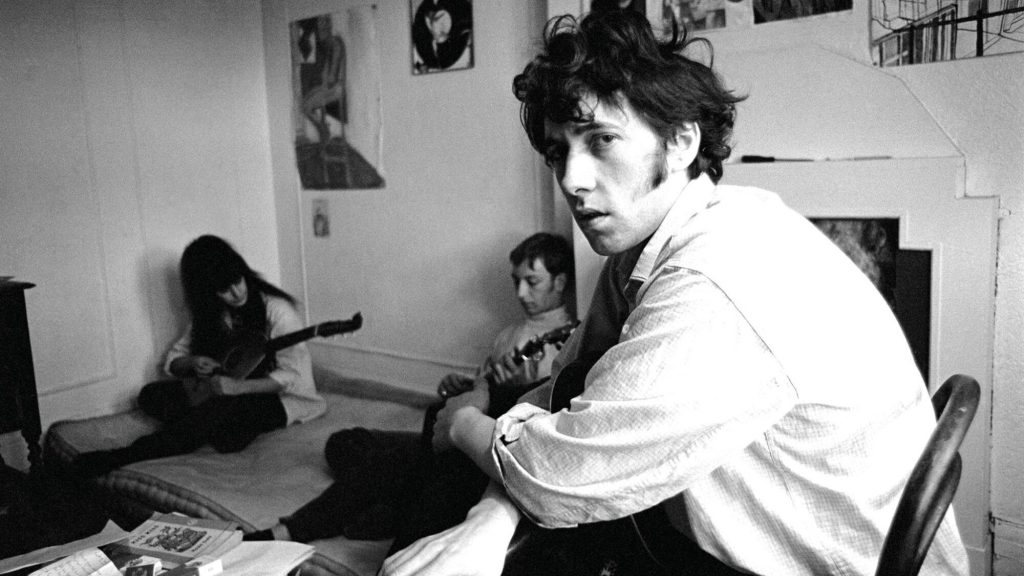
How He Began
Born on November 3, 1943, in Glasgow, Scotland, Bert Jansch moved to London in the early 1960s, where he quickly became immersed in the burgeoning folk scene. His journey began in earnest when he learned to play the guitar in his teens, developing a passion for traditional folk music. Jansch’s early experiences included playing in various clubs and honing his craft in front of audiences, where he showcased his distinctive fingerpicking style and emotive voice.
Who Were His Influences?
Jansch was heavily influenced by a range of musical styles, including traditional Scottish folk music, blues, and jazz. He admired the work of American folk musicians such as Mississippi John Hurt and Doc Watson, whose intricate fingerstyle techniques inspired his own playing. Additionally, the influence of British folk music and artists like Davy Graham shaped his approach to the guitar, encouraging him to explore innovative tunings and rhythmic patterns.
Iconic Albums and Tracks
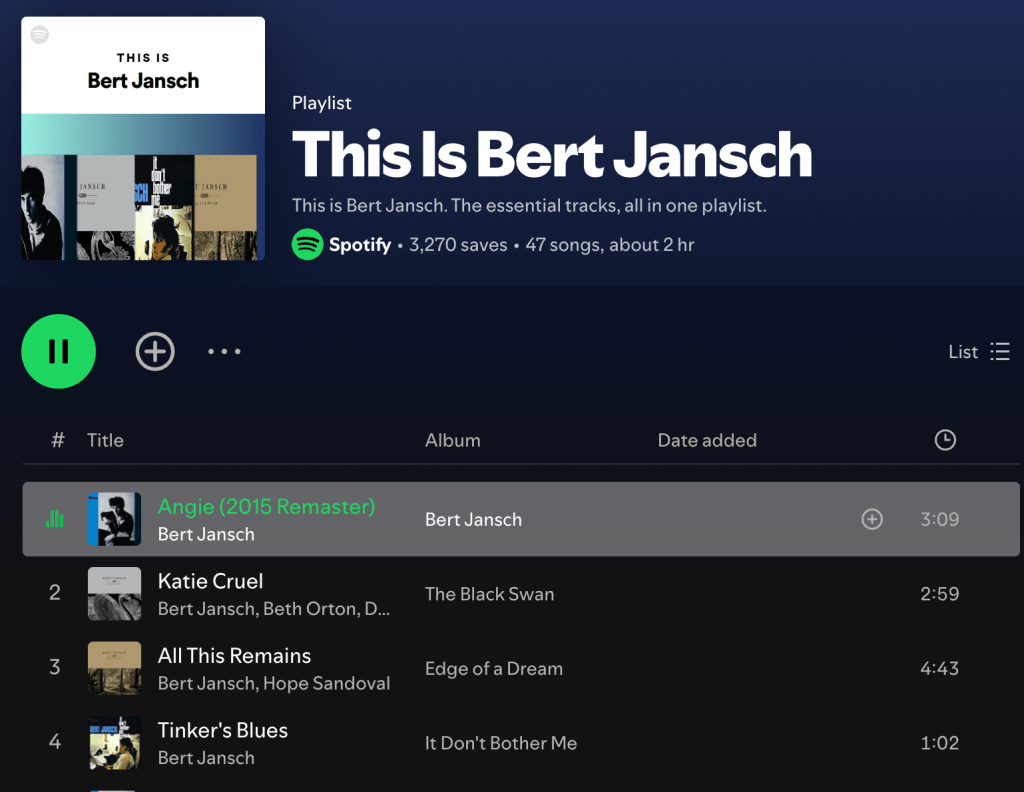
Jansch’s self-titled debut album, released in 1965, showcased his remarkable talent and established him as a leading figure in the folk revival movement. Tracks like “Angie” and “Needle of Death” became instant classics, reflecting his ability to weave complex melodies with poignant lyrics.
Throughout his career, Jansch released numerous acclaimed albums, including “Jack Orion” (1966) and “L.A. Turnaround” (1974). His collaboration with fellow folk artist John Renbourn in the duo Pentangle resulted in seminal albums such as “Basket of Light” (1969), which blended folk, jazz, and blues, pushing the boundaries of acoustic music.
Type of Guitar and Gear That Shaped His Tone
Bert Jansch primarily played a Martin D-28 acoustic guitar, a choice that contributed to his rich, warm tone. This guitar’s solid spruce top and rosewood back and sides produced a resonance that perfectly complemented his fingerstyle playing. Over the years, Jansch also experimented with various other guitars and tunings, enhancing his sound and allowing for greater creative expression.
To amplify his music, Jansch utilized a range of microphones and acoustic amplification setups, ensuring that the natural tone of his guitar was preserved while performing live. His approach to tone was marked by subtlety, focusing on clarity and dynamics rather than heavy effects or distortion.
Important Technique: Fingerpicking and Alternate Tunings
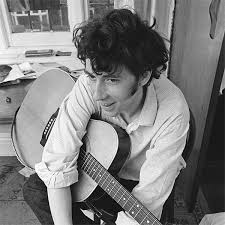
One of Jansch’s most significant contributions to guitar playing is his mastery of fingerpicking. He employed a combination of thumb and finger techniques that allowed him to create intricate, flowing melodies while simultaneously maintaining a strong rhythmic foundation. His ability to alternate bass notes with melody lines set him apart from many of his contemporaries.
Jansch was also known for his innovative use of alternate tunings, often experimenting with different configurations to create unique sonic textures. This practice not only expanded his harmonic vocabulary but also influenced countless guitarists who sought to emulate his distinctive sound.
What Is His Legacy?
Bert Jansch’s legacy is profound and enduring. His impact on the folk and acoustic music landscape is immeasurable, inspiring countless musicians, including guitarists like Neil Young, Jimmy Page, and Paul Simon. His innovative techniques and emotive songwriting have left a lasting imprint on genres ranging from folk to rock and beyond.
Jansch’s commitment to authenticity and craftsmanship has made him a revered figure among musicians and fans alike. His recordings continue to inspire new generations of guitarists, encouraging them to explore the depths of acoustic music and embrace the art of storytelling through song.
Conclusion
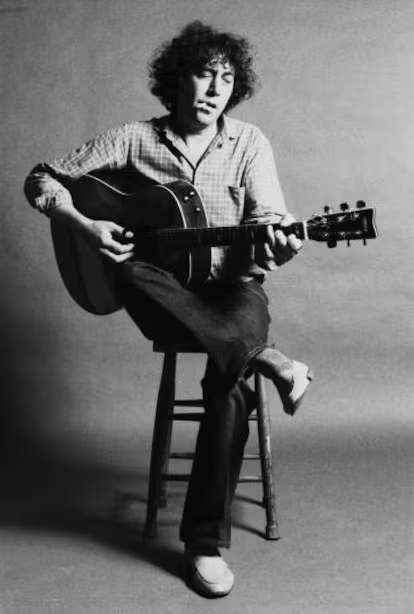
Bert Jansch was not just a guitarist; he was a pioneer who transformed the acoustic landscape. His intricate fingerstyle playing, profound songwriting, and deep understanding of music have left an indelible mark on the world of guitar. As we celebrate his contributions, it’s clear that Jansch’s music will continue to resonate and inspire for years to come.
Bonus Track: 10 Lesser-Known Facts About Bert Jansch
- Jansch was largely self-taught and developed his unique fingerpicking style through experimentation.
- He formed the influential folk group Pentangle in 1967, blending folk, jazz, and blues elements.
- Jansch’s song “Needle of Death” was written about the struggles of addiction.
- He collaborated with guitarist John Renbourn on multiple occasions, creating a lasting musical partnership.
- Jansch’s music was featured in the soundtrack of the film “The Last Waltz,” directed by Martin Scorsese.
- He released over 20 solo albums throughout his career, showcasing his evolving sound.
- Jansch was known for his love of vintage guitars and often played instruments from different eras.
- He faced health issues later in life, including cancer, but continued to perform until his passing.
- Jansch was awarded an Honorary Doctorate from the University of Edinburgh in 2006.
- He remained an influential figure in the folk music scene until his death in 2011, continuing to inspire musicians worldwide.
 oscaronguitars.com
Leave a comment