

Charlie Byrd stands out as a key figure in the guitar world, known for his innovative blending of jazz and Brazilian bossa nova. His virtuosic playing style and unique interpretations have earned him a place among the greats in both genres. This article explores Byrd’s journey as a musician, his influences, iconic albums and tracks, the gear that shaped his sound, his distinct playing techniques, and his enduring legacy in the world of guitar.
How He Began
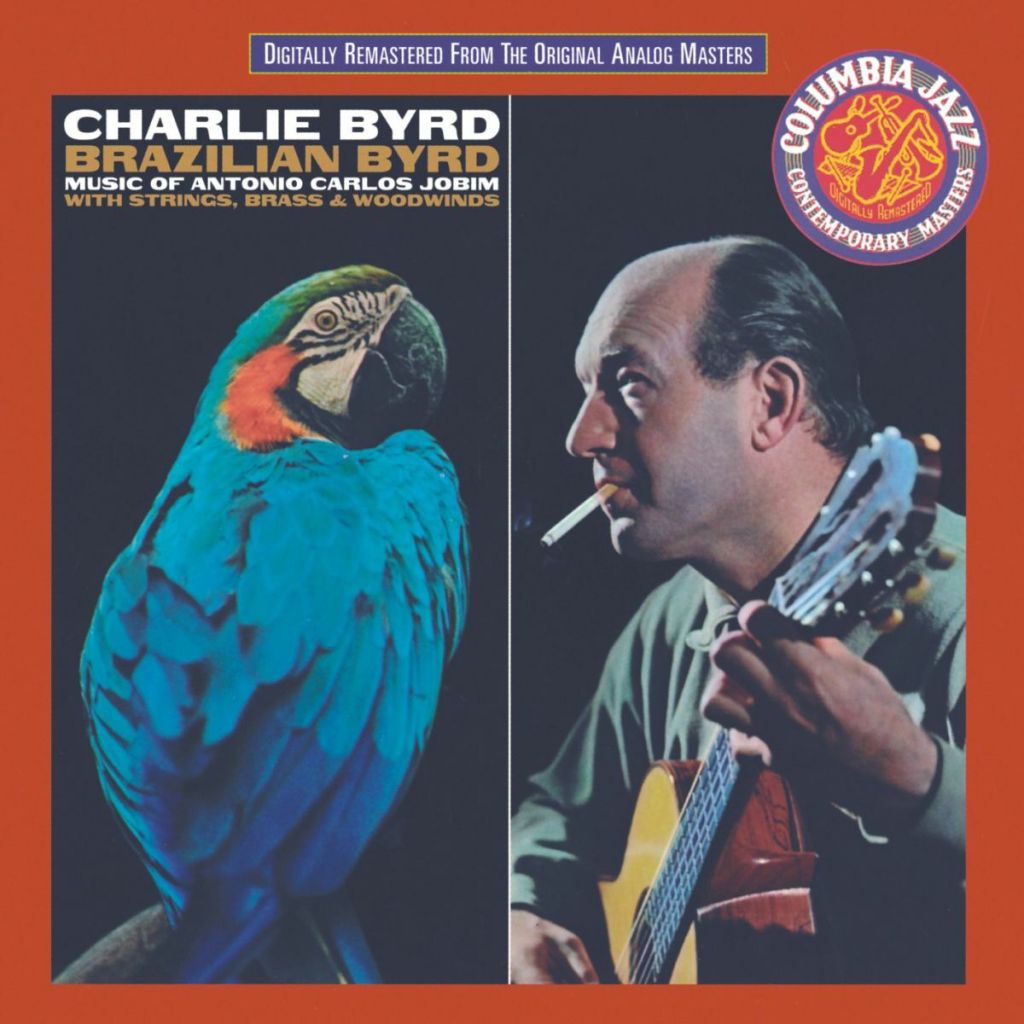
Born on September 16, 1925, in Suffolk, Virginia, Charlie Byrd grew up in a musical family that fostered his early interest in music. He started playing the guitar at a young age, inspired by the sounds of jazz, folk, and classical music. Byrd served in the U.S. Army during World War II, where he was introduced to the music of Latin America. After the war, he studied music at the Shenandoah Conservatory and later earned a scholarship to the Juilliard School of Music, where he refined his skills and developed a deeper understanding of music theory and composition.
Who Were His Influences?
Byrd’s early influences included jazz guitarists such as Django Reinhardt and Wes Montgomery, whose innovative approaches to harmony and melody left a significant mark on his style. He was also inspired by classical guitarists like Andrés Segovia and the rich sounds of Brazilian music, particularly bossa nova. The rhythmic complexity and smooth melodies of Brazilian music captivated Byrd, leading him to explore and incorporate these elements into his own playing.
Iconic Albums and Tracks
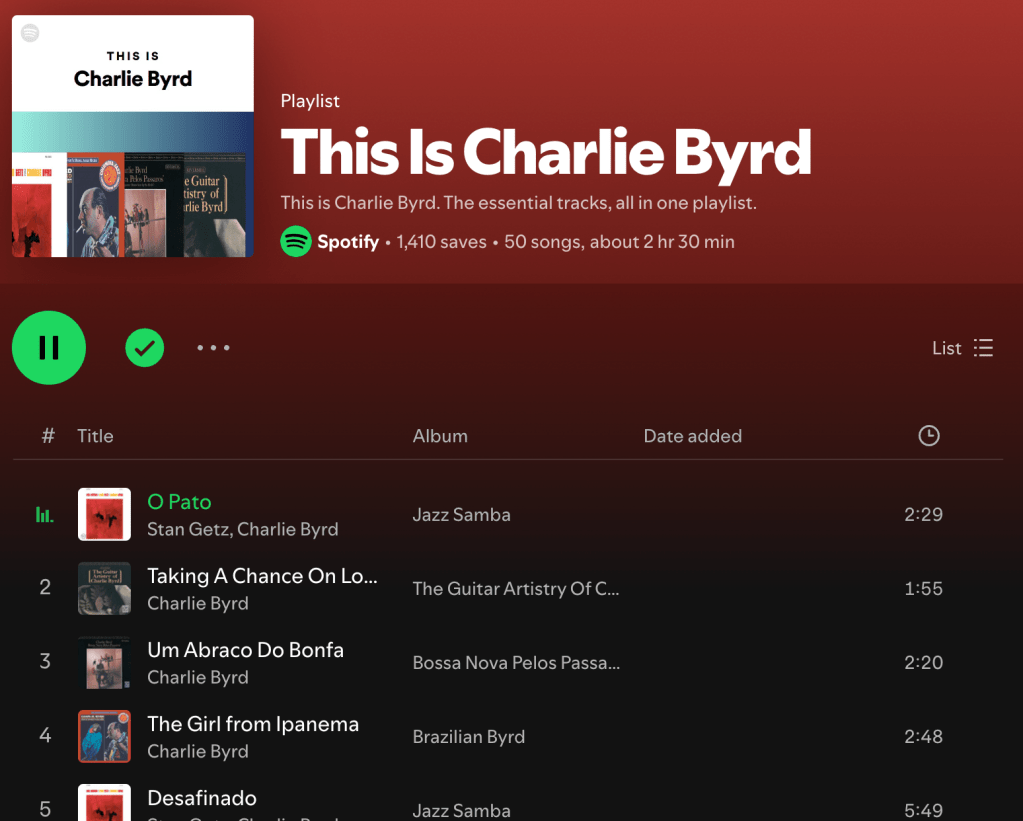
Charlie Byrd’s career took off in the 1960s when he released the groundbreaking album Jazz Samba (1962) in collaboration with Stan Getz. This album played a crucial role in introducing bossa nova to a wider audience in the United States. Tracks like “Desafinado” and “The Girl from Ipanema” became instant classics, showcasing Byrd’s ability to seamlessly blend jazz improvisation with Brazilian rhythms.
Another notable album, The Guitar Artistry of Charlie Byrd (1964), highlighted his intricate fingerstyle playing and diverse musical influences. Byrd’s ability to transcend genres allowed him to create a unique sound that resonated with both jazz and bossa nova enthusiasts.
Type of Guitar and Gear That Shaped His Tone
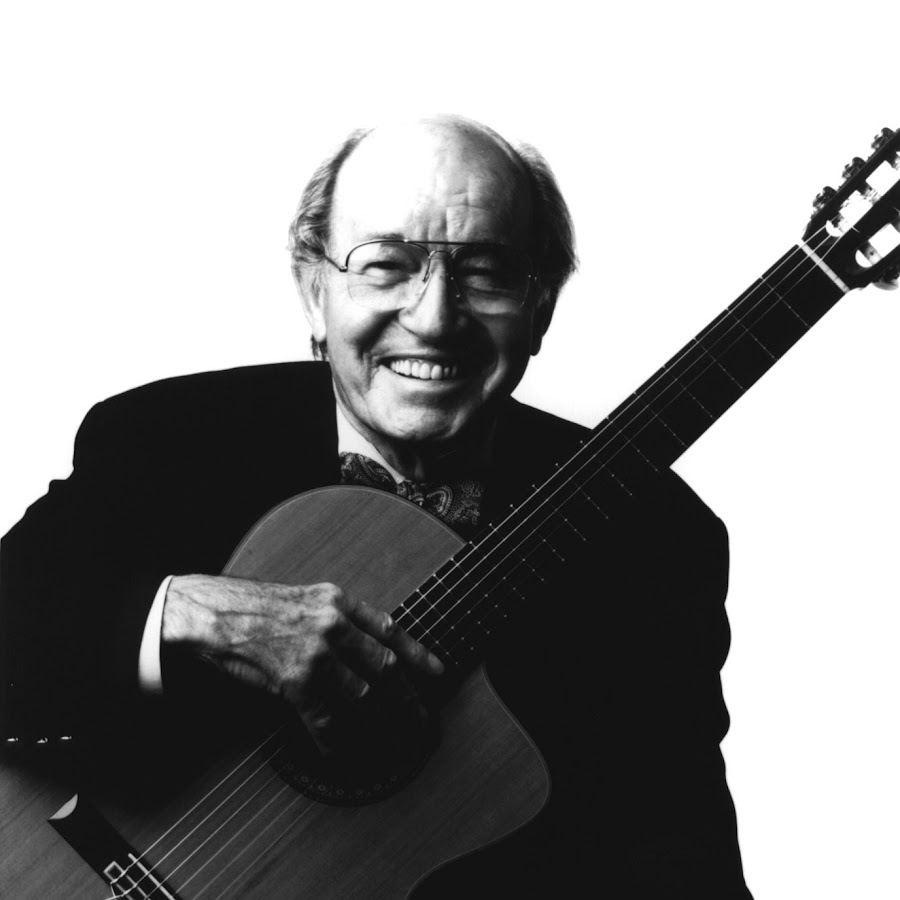
Charlie Byrd was known for playing a variety of guitars throughout his career, but he primarily favored the Gibson L-5, a jazz guitar renowned for its warm tone and excellent projection. This guitar’s hollow body and powerful pickups allowed Byrd to achieve a rich, resonant sound that complemented his playing style.
In addition to his choice of guitar, Byrd’s use of amplification and effects played a crucial role in shaping his tone. He often employed a simple setup, focusing on clarity and dynamics rather than heavy distortion or effects. This approach allowed his fingerstyle technique and melodic lines to shine through in both live performances and recordings.
Important Technique: Fingerstyle and Jazz Improvisation
One of the hallmarks of Charlie Byrd’s playing was his mastery of fingerstyle guitar. Byrd employed a combination of fingerpicking and flatpicking techniques, allowing him to create intricate melodies and harmonies simultaneously. His ability to navigate complex chord progressions and improvisational lines set him apart from many of his contemporaries.
Byrd’s jazz improvisation skills were equally impressive, as he drew from a rich palette of scales and chords to craft expressive solos. His understanding of harmony and rhythm allowed him to effortlessly blend jazz and bossa nova elements, creating a distinctive sound that captivated audiences.
What Is His Legacy?
Charlie Byrd’s legacy is marked by his significant contributions to the world of jazz and bossa nova. He played a crucial role in popularizing Brazilian music in the United States, influencing countless musicians along the way. His collaborations with notable artists, including Stan Getz, Astrud Gilberto, and Joao Gilberto, helped bridge the gap between jazz and bossa nova, paving the way for future generations of musicians to explore these rich musical traditions.
Byrd’s innovative approach to guitar playing continues to inspire guitarists across genres. His ability to blend different styles and create a unique sound has solidified his place as a pioneer in the guitar community.
Conclusion
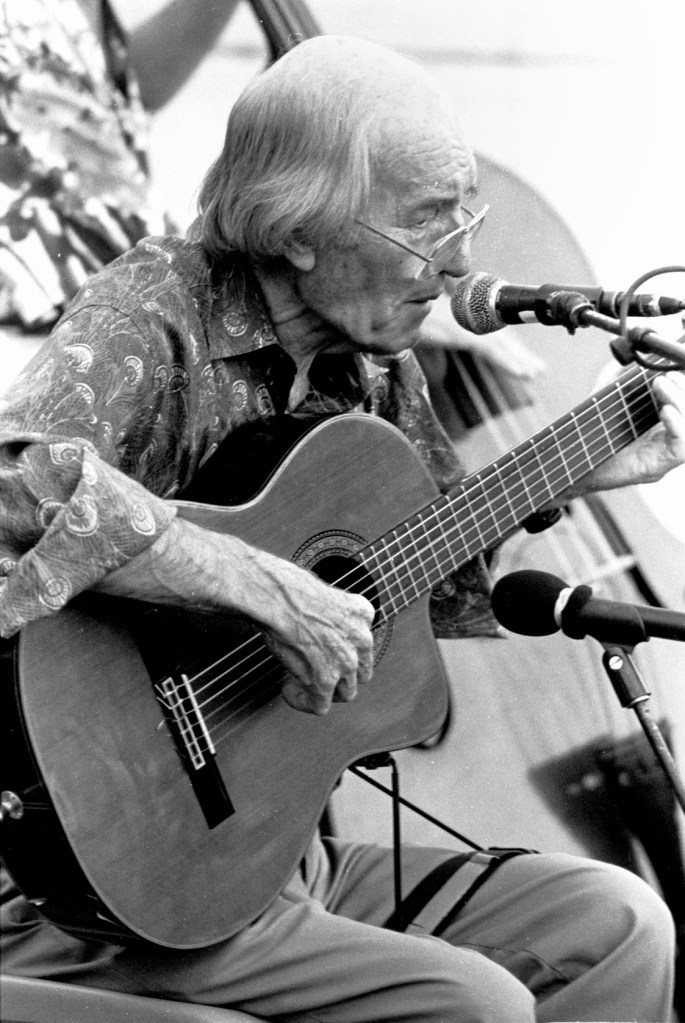
Charlie Byrd was not only a master guitarist but also a visionary who reshaped the landscape of jazz and bossa nova. His intricate fingerstyle playing, combined with a deep understanding of music theory and improvisation, set a high standard for aspiring guitarists. As we celebrate his contributions, it is clear that Charlie Byrd’s music will continue to resonate for generations to come.
Bonus Track: 10 Lesser-Known Facts About Charlie Byrd
- Byrd was a skilled classical guitarist and incorporated classical techniques into his jazz playing.
- He was known for his exceptional sight-reading ability, allowing him to quickly learn new compositions.
- Byrd studied under the renowned jazz guitarist Johnny Smith, who influenced his playing style.
- He performed with the National Symphony Orchestra, showcasing his versatility as a musician.
- Byrd was a prolific recording artist, releasing over 30 albums during his career.
- He co-founded the Washington Guitar Quintet, focusing on classical guitar performances.
- Byrd’s album Jazz Samba won a Grammy Award, solidifying his impact on the music scene.
- He taught music at various institutions, including the University of South Carolina and Towson University.
- Byrd was an advocate for music education and often conducted workshops for aspiring musicians.
- His influence extended beyond guitarists, inspiring musicians in various genres to explore the fusion of styles.
 oscaronguitars.com
Leave a comment