
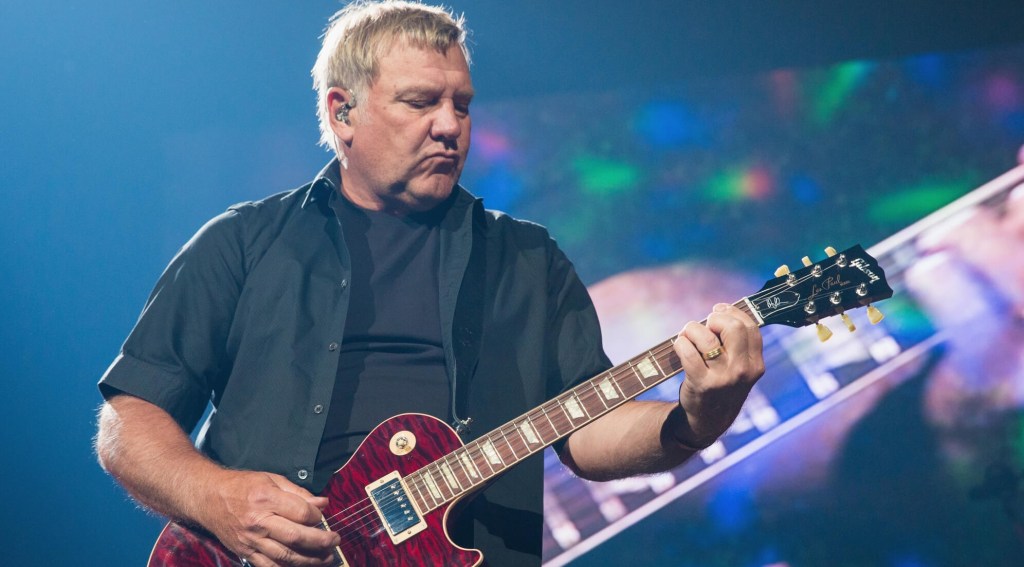
From Canadian Clubs to Rock Legend
Born Aleksandar Živojinović on August 27, 1953, in Fernie, British Columbia, Canada, Alex Lifeson is best known as the guitarist of Rush, one of the most revered progressive rock bands in history. Lifeson, whose stage name derives from a shortened version of his surname, helped found Rush in 1968. His inventive guitar work, combined with Geddy Lee’s vocals and Neil Peart’s lyrics, propelled the band to international fame, defining the sound of progressive rock with complex compositions and virtuosic musicianship.
Rush: Redefining Progressive Rock
Lifeson’s guitar playing is a foundational element of Rush’s sound, characterized by its rich textures and expansive use of synthesizers, especially in the band’s work from the mid-1970s through the 1980s. Albums like 2112, Moving Pictures, and Permanent Waves not only showcase his technical prowess but also his ability to integrate diverse musical influences, from hard rock and reggae to classical music.
Iconic Tracks: Lifeson’s Signature Style
Alex Lifeson’s contributions to Rush’s catalog are highlighted in several key tracks:
- “Limelight” – Features one of Lifeson’s most iconic guitar solos, known for its emotive and technically sophisticated style.
- “Tom Sawyer” – Lifeson’s riffing in this song is emblematic of Rush’s dynamic sound, blending rock with elements of synth-driven music.
- “La Villa Strangiato” – An instrumental that allows Lifeson to showcase his range and depth as a guitarist, featuring complex arrangements and exquisite solo work.
- “The Spirit of Radio” – Demonstrates his ability to fuse catchy riffs with the progressive elements of Rush’s music, creating a sound that is both accessible and musically rich.
Gear and Technique: Lifeson’s Musical Arsenal
Alex Lifeson is known for his eclectic approach to guitar equipment, using a wide variety of guitars over his career, including Gibson Les Pauls, Fender Stratocasters, and PRS models. He often employs a range of effects to create lush soundscapes, such as digital delays, chorus pedals, and phasers. Lifeson’s playing style incorporates complex chord structures and intricate arpeggios, underpinned by a solid command of both rhythm and lead guitar techniques.
Influence and Impact
Lifeson’s influence extends beyond Rush and progressive rock. His innovative approach to guitar playing has inspired countless musicians across various genres, encouraging them to experiment with new sounds and techniques. As part of Rush, Lifeson has left an indelible mark on the landscape of rock music, celebrated for his musicality and creativity.
Conclusion: The Enduring Legacy of Alex Lifeson
Alex Lifeson remains a pivotal figure in rock music, celebrated not only for his technical skills but also for his contributions to the evolution of progressive rock. His work continues to inspire and challenge musicians and listeners alike, ensuring his place as one of the great guitarists of his generation.
Bonus Track: 10 Facts About Alex Lifeson
- Early Beginnings: Started playing guitar at age 12, initially inspired by the rock and roll music of the 1960s.
- Founding Rush: Co-founded Rush in his teenage years, which would go on to become one of Canada’s most successful bands.
- Sound Innovator: Known for his use of complex arrangements and pioneering use of synthesizers in guitar work.
- Acclaimed Composer: Contributed to most of Rush’s compositions, helping to craft some of the band’s most ambitious works.
- Hall of Fame: Inducted into the Rock and Roll Hall of Fame with Rush in 2013.
- Side Projects: Has participated in various side projects and guest appearances, showing his versatility as a musician.
- Aviation Enthusiast: Holds a pilot’s license, which is a passion he shares with his bandmate Neil Peart.
- Philanthropic Efforts: Involved in numerous charitable activities, particularly in music education.
- Acting Appearances: Has appeared in several films and TV shows, often humorously referencing his role in Rush.
- Legacy in Music Gear: Has several signature guitar models designed in collaboration with major manufacturers, reflecting his impact on guitar design and technology.
 oscaronguitars.com
Leave a comment