
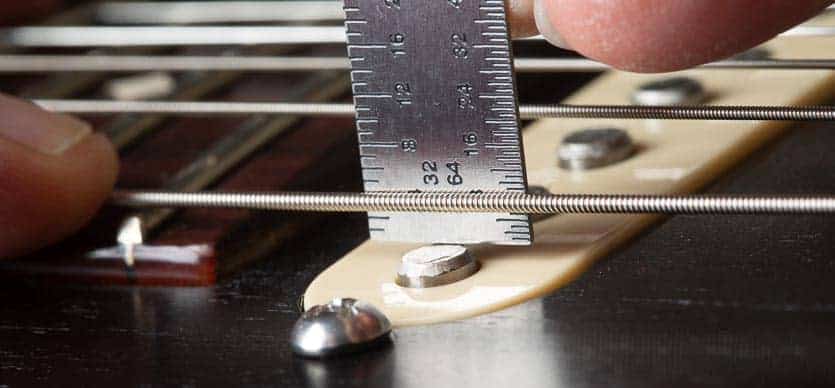
The pickup height on your electric guitar plays a crucial role in shaping its tone and overall performance. While it might seem like a small detail, adjusting the height of your pickups can significantly affect everything from the clarity of your notes to the intensity of your tone. Whether you’re looking to improve your guitar’s output, reduce muddiness, or just experiment with different sounds, understanding how pickup height works is key to unlocking your guitar’s true potential.
In this guide, we’ll break down what pickup height is, how it affects your tone, and how to adjust it for the best sound. Plus, we’ll go over some tips for getting the most out of your pickups and when it might be time for an upgrade.
What Is Pickup Height and Why Does It Matter?
Pickup height refers to the distance between your guitar’s pickups and the strings. The closer the pickup is to the strings, the stronger the signal it generates. This affects both the tone and the output volume of your guitar. In short:
- Closer pickups = Higher output, more midrange punch, and potentially a hotter tone.
- Lower pickups = Reduced output, cleaner tone, and more subtle dynamics.
The key is to find the balance that works for your playing style, musical genre, and personal preference.
How Pickup Height Affects Tone
1. Output and Volume
The pickup height directly affects the output of your guitar. When the pickups are too high, they can cause distortion or muddiness, as the signal might get too “hot” and produce undesirable feedback. On the other hand, if the pickups are too low, you may lose some output and volume, resulting in a weaker tone.
Tip: Start with a middle-ground height and adjust from there. It’s better to make small adjustments, as extreme changes can drastically affect the tone.
2. Bass and Treble Response
The height of the pickups also influences the balance between the bass and treble frequencies. Pickups that are too close to the strings can emphasize bass, making the tone feel “boomy” and overly thick. Pickups that are farther from the strings may favor the treble frequencies, leading to a thinner, more shrill tone.
Tip: Use the “eye test” method for balancing bass and treble. If you can see the pickup pole pieces sticking out too much on the bass side, it may be too close to the strings. The treble side may need to be adjusted if it feels too harsh or bright.
3. Clarity and Articulation
Too high of a pickup height can cause excessive string pull, which can negatively affect the clarity of each note, especially on the lower strings. By lowering the pickups, you can improve string separation, allowing each note to come through more clearly.
Tip: If you find your notes getting muddy or indistinct, try lowering the pickups slightly and see if it helps.
Adjusting Pickup Height: A Step-by-Step Guide
1. Start with the Manufacturer’s Recommended Height
Before you start making any drastic adjustments, it’s a good idea to check your pickup height against the manufacturer’s specifications. Many pickup brands have suggested height settings that work well for most players. If you’re unsure where to start, this is a good baseline.
2. Use the Screwdriver
Pickup height is usually adjusted by turning the screws located around the pickup rings or directly on the pickup base. Use a small screwdriver to turn these screws. You’ll typically find two screws on either side of the pickup for individual height adjustments.
Tip: Keep track of your adjustments! Make one change at a time and note how much you’ve adjusted the pickup, so you can always return to your previous settings if necessary.
3. Test and Fine-Tune
After making your adjustments, plug in your guitar and test the sound. Play through different pickup positions (neck, middle, bridge) to make sure each one is balanced and to check for any noticeable hum or distortion.
Tip: Play the guitar clean, with no distortion, so you can hear the true tone. You can always adjust more if it still feels off.
When to Upgrade Your Pickups
While adjusting pickup height is an essential part of fine-tuning your tone, there are times when an upgrade is necessary. Consider upgrading your pickups if:
- You’re not happy with the tone, even after adjustments: Sometimes, even the best adjustments won’t get you the sound you’re after. This could mean it’s time for a new set of pickups.
- Your pickups are old or damaged: Over time, pickups can degrade or become damaged, affecting their performance. If they’re no longer producing the tone they once did, it might be time for new ones.
- You’re looking to experiment with a different sound: If you’re looking for a specific sound, like a more vintage tone or a higher output for modern rock, a pickup change could be the solution.
Top Brands to Consider for Pickup Upgrades:
- Seymour Duncan: Known for versatile pickups with great tone clarity and sustain.
- DiMarzio: Great for high-output, modern tones, especially for rock and metal.
- Fender Custom Shop: Classic, vintage-style pickups for a smoother, warmer sound.
Conclusion
Adjusting the height of your pickups is a simple yet powerful way to tweak your guitar’s tone and improve its overall playability. By understanding how pickup height influences everything from volume and clarity to bass and treble balance, you can unlock new tones that better suit your style. Whether you’re a seasoned player or a beginner, small adjustments can make a big difference, so don’t be afraid to experiment.
 oscaronguitars.com
Leave a comment