
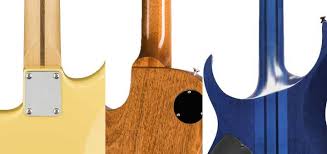
1. Understanding Neck Joint Types
The neck joint is where the guitar’s neck meets the body, and it’s essential to the instrument’s overall construction. The three main types of neck joints—bolt-on, set-neck, and neck-through—are each used in different guitar designs, and each offers distinct advantages and trade-offs.
Bolt-On Neck:
- Overview: The bolt-on neck is a design where the neck is attached to the guitar body using screws or bolts. This type of neck joint is commonly found on Fender guitars, like the Stratocaster and Telecaster.
- Construction: The neck is typically held in place by four screws, with a metal plate (or ferrules) on the back of the guitar for reinforcement.
Set-Neck:
- Overview: A set-neck is a neck joint where the neck is glued to the body of the guitar. This type of joint is frequently used in guitars like the Gibson Les Paul and other models that require a more traditional construction.
- Construction: The neck is fitted snugly into a pocket in the guitar body and then glued, creating a strong, seamless connection between the neck and body.
Neck-Through:
- Overview: The neck-through design involves a single piece of wood that runs the entire length of the guitar, from the headstock to the end of the body. The body wings are then glued to the sides of this central piece, forming the body shape.
- Construction: This design is most commonly found in high-end and custom guitars, particularly in models designed for enhanced sustain and tonal richness.
2. The Impact on Tone and Sustain
The type of neck joint has a significant influence on a guitar’s tone and sustain. Each neck joint type interacts differently with the guitar’s body, affecting how vibrations are transferred and how the instrument resonates.
Bolt-On Neck:
- Tone: Bolt-on necks are known for producing a bright, snappy tone with pronounced attack. The slight gap between the neck and body can contribute to this tonal characteristic, making bolt-on necks particularly well-suited for styles like rock, blues, and funk.
- Sustain: While bolt-on necks offer excellent articulation and clarity, they typically have less sustain than set-neck or neck-through designs. The less direct connection between the neck and body results in quicker decay of notes.
- Pros: The bolt-on design is easier to service or replace if needed, and it offers a punchy, articulate tone that cuts through mixes well.
- Cons: Some players find that bolt-on necks lack the warmth and sustain of other neck joint types.
Set-Neck:
- Tone: Set-neck guitars are known for their warm, resonant tone with a smoother attack compared to bolt-on necks. The glued joint allows vibrations to transfer more effectively between the neck and body, contributing to a richer, fuller sound.
- Sustain: The set-neck design typically offers better sustain than bolt-on necks, as the seamless connection between the neck and body allows for greater energy transfer and longer note decay.
- Pros: Set-neck guitars are favored for their warm tone, rich sustain, and overall balance, making them popular in genres like jazz, blues, and rock.
- Cons: Set-necks are more challenging to repair or replace, as the glued joint is permanent and requires specialized skills to work on.
Neck-Through:
- Tone: Neck-through guitars provide the most seamless transfer of vibrations between the neck and body, resulting in a smooth, even tone across the instrument. The continuous wood construction creates a consistent tonal response, often described as clear and harmonically rich.
- Sustain: Neck-through designs are known for offering exceptional sustain, as the uninterrupted neck-through construction allows for maximum energy transfer. This design is ideal for players who value long-lasting notes and a resonant, full-bodied sound.
- Pros: Neck-through guitars excel in sustain, tonal consistency, and structural stability, making them ideal for progressive rock, metal, and other styles where sustain and clarity are critical.
- Cons: The neck-through design is the most difficult to repair or modify, as the neck cannot be easily separated from the body. Additionally, these guitars tend to be more expensive due to the complexity of their construction.
3. Structural Stability and Playability
In addition to tone and sustain, the neck joint type also affects the guitar’s structural stability and playability. Here’s how each type influences the overall feel and durability of the instrument:
Bolt-On Neck:
- Stability: Bolt-on necks are highly stable and can be easily adjusted for optimal action and intonation. The ability to easily remove and replace the neck also adds to the guitar’s longevity, as worn or damaged necks can be replaced without compromising the body.
- Playability: The bolt-on design allows for easy neck adjustments, making it ideal for players who frequently tweak their setup. The neck joint’s simplicity also means fewer potential points of failure, adding to the guitar’s overall durability.
Set-Neck:
- Stability: Set-neck guitars offer good stability due to the strong bond between the neck and body. However, they are less adjustable than bolt-on necks, meaning setup changes are more challenging and may require professional assistance.
- Playability: Many players appreciate the set-neck design for its smooth transition between the neck and body, which enhances comfort, especially when playing higher up the fretboard. The solid construction also contributes to a more substantial feel in the hands.
Neck-Through:
- Stability: Neck-through guitars are extremely stable, with a strong, integrated construction that reduces the likelihood of neck movement or shifting over time. This stability contributes to consistent performance and long-term durability.
- Playability: Neck-through designs often feature contoured neck joints, allowing for easy access to higher frets and a smooth playing experience. The seamless transition from neck to body is especially appreciated by players who perform complex, fast solos.
4. Making the Right Choice: Factors to Consider
When choosing a guitar, the neck joint type should align with your playing style, tonal preferences, and maintenance capabilities. Here are some factors to consider:
1. Genre and Playing Style:
- Bolt-On: If you play styles that require bright, punchy tones with a lot of attack, such as rock, funk, or punk, a bolt-on neck might be ideal for you.
- Set-Neck: For players who prefer warmer, more resonant tones with good sustain, such as blues, jazz, or classic rock, a set-neck guitar may be the best choice.
- Neck-Through: If you need exceptional sustain, tonal consistency, and a smooth playing experience, particularly in progressive rock, metal, or instrumental genres, a neck-through guitar could be the perfect fit.
2. Maintenance and Repair:
- Bolt-On: Choose a bolt-on neck if you value easy maintenance and the ability to replace the neck if needed.
- Set-Neck: A set-neck guitar is a good choice if you prioritize tone and sustain but are less concerned about ease of maintenance.
- Neck-Through: Opt for a neck-through guitar if you’re looking for the highest level of structural stability and are willing to accept the trade-off in repair complexity.
3. Budget Considerations:
- Bolt-On: Generally, bolt-on neck guitars are more affordable and offer excellent value for money, making them a popular choice for beginners and intermediate players.
- Set-Neck: Set-neck guitars often fall into the mid-to-high price range, reflecting their more complex construction and tonal benefits.
- Neck-Through: Neck-through guitars tend to be the most expensive due to their intricate construction and the premium materials often used.
5. Conclusion: Choosing the Right Neck Joint for Your Guitar
The type of neck joint on your guitar has a significant impact on its tone, sustain, stability, and playability. Whether you prefer the bright, punchy tones of a bolt-on neck, the warm sustain of a set-neck, or the unmatched stability and resonance of a neck-through design, understanding these differences can help you make an informed choice.
By considering your musical style, maintenance preferences, and budget, you can select a guitar with the neck joint type that best suits your needs, ensuring that your instrument not only sounds great but also feels comfortable and reliable for years to come.
 oscaronguitars.com
Leave a comment