
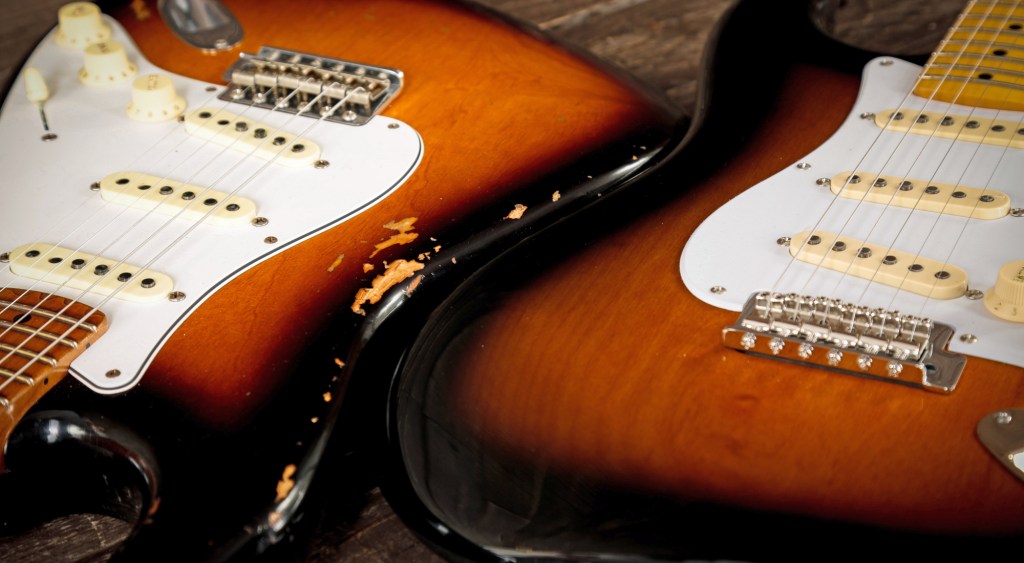
When it comes to guitar finishes, two names dominate the conversation: polyurethane and nitrocellulose. These finishes are not just about aesthetics— they play a crucial role in the overall sound, feel, and durability of your instrument. Whether you’re a seasoned guitarist or just starting out, understanding the difference between these two finishes can help you make a more informed decision when buying or customizing your guitar.
In this article, we’ll take a closer look at polyurethane and nitrocellulose finishes, exploring the pros and cons of each, and offering tips on how to choose the right one for you.
What Are Polyurethane and Nitrocellulose Finishes?
Polyurethane Finish
Polyurethane is a modern synthetic finish that is widely used on guitars. It provides a durable, tough coating that protects the wood from moisture, dirt, and general wear and tear. Polyurethane finishes are typically thicker than nitrocellulose, which gives them excellent protection but can make the finish feel more “plastic.”
Nitrocellulose Finish
Nitrocellulose, on the other hand, is a more traditional finish that’s been around since the 1950s. It’s made from a combination of cellulose and a lacquer solvent. Nitrocellulose finishes are thinner, and they “breathe” more than polyurethane, allowing the wood to resonate and vibrate more freely. This is one of the reasons why many players swear by the unique tonal qualities that nitro finishes provide.
Pros and Cons of Polyurethane Finish
Pros:
- Durability: Polyurethane is incredibly durable and resistant to chips, scratches, and dings. This makes it a great option for guitars that are played frequently or need to stand up to heavy handling.
- Protection: The thick finish protects the wood from moisture and contaminants, ensuring a longer lifespan for the instrument.
- Consistency: Polyurethane finishes are easier to apply consistently, meaning they often look flawless without much effort.
Cons:
- Tone: Some players argue that polyurethane can “muffle” the natural resonance of the wood, leading to a less lively sound compared to nitrocellulose.
- Feel: Because the finish is thicker, it can feel less natural and “plasticky” to the touch, which some players don’t like, especially on the neck.
- Aesthetics: Over time, polyurethane finishes don’t age as gracefully as nitrocellulose finishes. They may start to show wear and tear, but it’s not the same “vintage” look that many guitarists appreciate.
Pros and Cons of Nitrocellulose Finish
Pros:
- Sound Quality: Nitrocellulose is known for allowing the wood to resonate more freely, which many players believe results in a more open, lively tone.
- Aging Gracefully: Over time, nitrocellulose develops a beautiful, vintage patina. The finish can wear down in a way that enhances the guitar’s character, which is why many vintage guitars are so sought after.
- Feel: Nitro finishes are much thinner, so they allow the neck and body of the guitar to feel more “alive” under your hands. It’s smoother and more natural to the touch.
Cons:
- Durability: Nitrocellulose is more susceptible to wear and tear. It’s prone to scratches, dings, and fading, and it can also be damaged by exposure to certain chemicals.
- Protection: While it looks great, nitrocellulose doesn’t offer the same level of protection against moisture and dirt as polyurethane. You’ll need to be more careful with your guitar if it has a nitro finish.
- Cost: Nitrocellulose finishes can be more expensive due to the more involved application process.
When to Choose Polyurethane Finish
If you’re a gigging musician who’s constantly on the road or a beginner who’s looking for a low-maintenance instrument, polyurethane could be the right choice for you. It offers the durability and protection needed to handle the daily wear and tear of frequent use, and you won’t have to worry as much about keeping your guitar pristine.
Tip: If you plan on traveling a lot with your guitar or storing it in various climates, a polyurethane finish will protect your guitar from damage caused by humidity and temperature changes.
When to Choose Nitrocellulose Finish
On the other hand, if you’re after a vintage-style sound or a guitar that ages beautifully over time, a nitrocellulose finish might be the way to go. Nitro is the go-to finish for many guitarists who want that unique, open, and resonant tone that comes with the natural aging process of the wood.
Tip: If you prefer a thinner, more organic feel to your guitar and love the idea of a guitar that develops a natural “mojo” over time, nitrocellulose could be the finish for you. However, just be prepared for a bit more maintenance to keep it looking good.
How to Maintain Your Guitar Finish
No matter which finish you choose, proper care and maintenance are crucial to keeping your guitar looking and sounding great.
For Polyurethane Finishes:
- Regular Cleaning: Use a microfiber cloth to wipe down your guitar after every play session to avoid dust and grime buildup.
- Avoid Harsh Chemicals: While polyurethane is durable, avoid using strong solvents or harsh cleaning products that could damage the finish.
For Nitrocellulose Finishes:
- Gentle Polishing: Use a soft cloth and a polish designed for nitrocellulose finishes to avoid stripping the thin coat.
- Humidity Control: Store your guitar in a case with humidity control packs to prevent excessive wear or cracking.
Conclusion
Choosing between polyurethane and nitrocellulose finishes comes down to personal preference and how you plan to use your guitar. Polyurethane is a more durable, low-maintenance option, perfect for musicians who need their guitar to withstand heavy use. Nitrocellulose, however, offers a more organic, vintage feel and sound that ages beautifully, but requires more care and attention.
Both finishes have their place in the world of guitars, and understanding their differences will help you make a more informed decision about the best option for your playing style, tone, and lifestyle.
 oscaronguitars.com
Leave a comment