
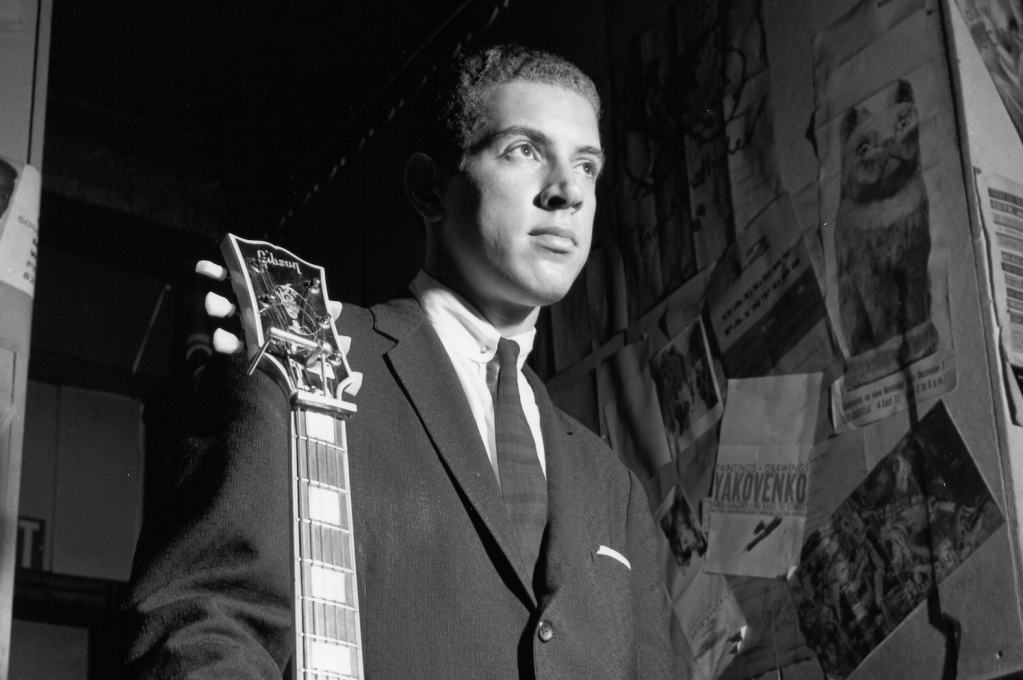
Kenny Burrell stands as one of the most influential figures in jazz guitar, revered not only for his exceptional technical prowess but also for the deep emotional resonance of his playing. With a career spanning over six decades, Burrell’s contributions have shaped the landscape of jazz music, making him a true icon in the genre. This article explores his early life, musical influences, signature style, notable recordings, and his enduring legacy in the world of guitar.
The Early Years
Born on July 31, 1931, in Detroit, Michigan, Kenneth Earl Burrell was immersed in music from an early age. His mother, a piano teacher, introduced him to various musical styles, while the vibrant jazz scene of Detroit heavily influenced his formative years. Burrell began playing guitar at the age of 12 and quickly fell in love with the instrument.
His early exposure to jazz legends such as Charlie Christian and Django Reinhardt laid the foundation for his unique sound. Burrell later studied music at the University of Michigan, where he honed his skills and developed a deeper understanding of music theory and composition.
Influences That Shaped His Sound
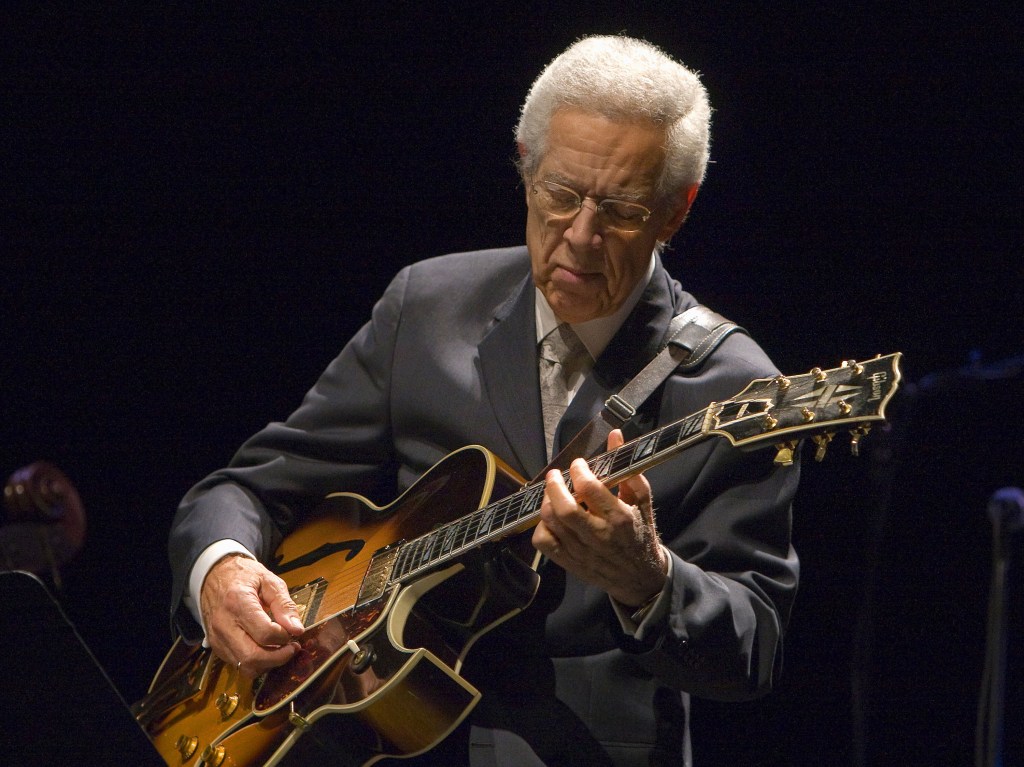
Kenny Burrell’s musical influences are as diverse as they are profound. He draws inspiration from a variety of genres, including jazz, blues, and classical music. Early in his career, he was particularly inspired by the innovative playing styles of jazz guitarists like Charlie Christian, who introduced the guitar as a lead instrument in jazz, and Wes Montgomery, known for his unique thumb-picking technique.
Burrell’s playing is also heavily influenced by the blues, reflecting the rich musical traditions of his Detroit upbringing. He incorporates elements of gospel and rhythm and blues into his jazz guitar playing, creating a sound that is both soulful and deeply expressive.
Signature Style and Technique
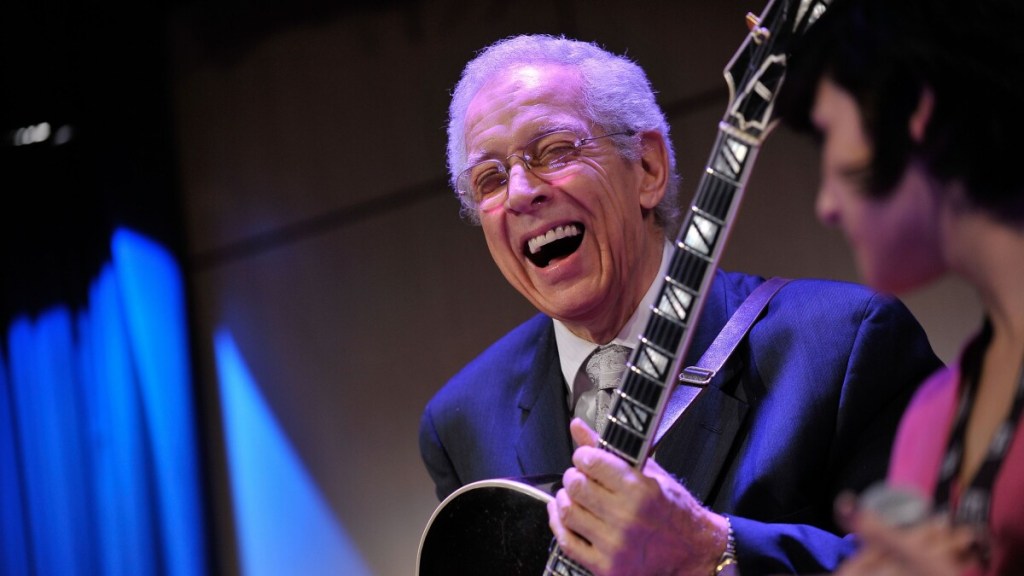
Kenny Burrell’s guitar style is characterized by its smooth, lyrical quality and a deep sense of groove. His ability to blend single-note melodies with rich chordal playing sets him apart from many of his contemporaries. He often employs a warm, mellow tone, achieved through his use of hollow-body guitars, particularly the Gibson L-5.
Burrell’s approach to improvisation is equally compelling; he has a remarkable ability to create melodic lines that are both intricate and accessible. His phrasing reflects a deep understanding of jazz harmony and rhythm, allowing him to weave in and out of complex chord changes with ease. This signature style has made him a highly sought-after guitarist for both live performances and studio recordings.
Notable Recordings and Collaborations
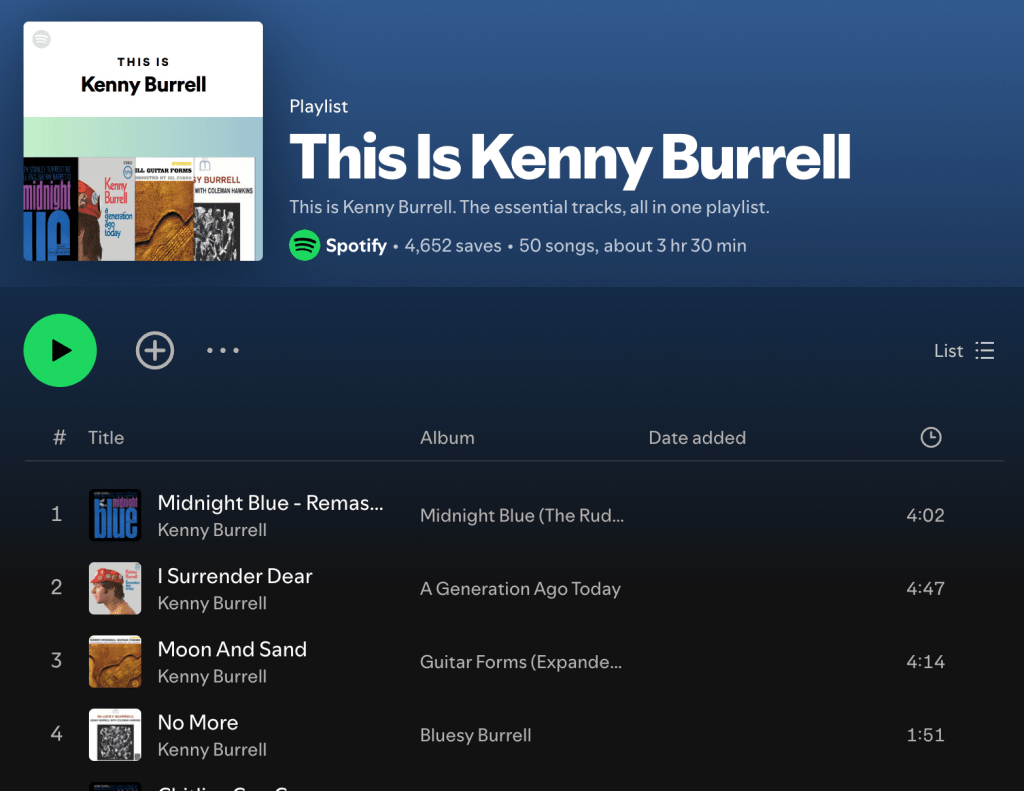
Kenny Burrell’s discography is extensive, featuring numerous albums as a bandleader and collaborations with some of jazz’s greatest names. His 1963 album Midnight Blue is a seminal work, showcasing his distinctive sound and improvisational skills. This album features classic tracks such as “Chitlins Con Carne” and “Soul Lament,” and it remains a staple in the jazz guitar repertoire.
Throughout his career, Burrell has collaborated with a myriad of notable artists, including jazz legends like Jimmy Smith, John Coltrane, and Duke Ellington. His versatility allows him to seamlessly blend into various musical settings, whether performing in small ensembles or larger orchestras.
In addition to his studio work, Burrell has also recorded live albums that capture the energy and spontaneity of his performances, further solidifying his status as a top-tier jazz guitarist.

The Legacy of Kenny Burrell
Kenny Burrell’s impact on the world of jazz guitar extends beyond his recordings. As a dedicated educator, he has taught at prestigious institutions, including the University of California, Los Angeles (UCLA). Burrell is committed to passing on his knowledge and passion for music to the next generation of musicians.
His influence is evident in the work of countless guitarists who have followed in his footsteps. Burrell’s ability to blend jazz with other musical genres has inspired many to explore new creative avenues and broaden their musical horizons.
In recognition of his contributions to music, Burrell has received numerous accolades, including the prestigious Jazz Master Award from the National Endowment for the Arts.
Conclusion
Kenny Burrell is more than just a jazz guitarist; he is a musical storyteller whose emotive playing and innovative style have left an indelible mark on the genre. His dedication to his craft and his commitment to educating future generations ensure that his influence will continue to be felt for years to come. As we celebrate the legacy of this remarkable artist, we recognize Kenny Burrell as a true ambassador of jazz guitar, whose soulful voice will resonate with audiences for generations.
Bonus Track: 10 Interesting Facts About Kenny Burrell
- Burrell’s nickname, “The Guitar Man,” was given to him by the legendary jazz pianist Thelonious Monk.
- He recorded his first album, Introducing Kenny Burrell, in 1956, showcasing his exceptional talent right from the start.
- Burrell is a co-founder of the Jazz Studies program at UCLA, where he has taught for over three decades.
- He has collaborated with a wide range of artists, including pop icons such as Stevie Wonder and rock legends like The Doors.
- Burrell has a deep love for blues music and often incorporates it into his jazz playing.
- He served in the U.S. Army during the Korean War, where he played in the military band.
- His guitar style is heavily influenced by his experiences in the vibrant Detroit jazz scene.
- Burrell has composed several jazz standards, including “All Day Long” and “A Child is Born.”
- He is known for his signature use of the “bent note,” creating a distinctive sound that is immediately recognizable.
- Burrell continues to perform and record, sharing his love for jazz with new generations of musicians.
 oscaronguitars.com
Leave a comment