
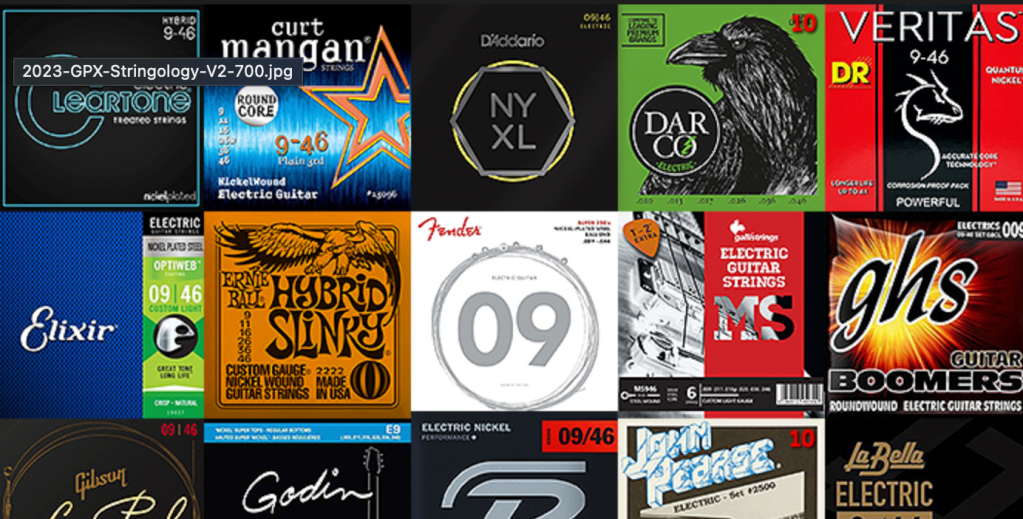
Choosing the perfect strings for your guitar can feel like a daunting task. With so many options available, where do you start? Don’t worry—I’ve got your back! This guide will walk you through string thickness, materials, coatings, and the best brands for every type of guitar, from classical nylon-string models to acoustic and electric instruments.
What Makes Guitar Strings Different?
1. String Thickness (Gauge)
- Light Gauge Strings: Easier to bend and fret, perfect for beginners or lead players who love expressive bends. They’re also gentle on your fingers but can lack depth in tone.
- Heavy Gauge Strings: Provide a richer, fuller tone and are ideal for drop tunings or aggressive strumming. However, they require stronger fingers and more effort to play.
For reference:
- Light gauge: .008–.010 (electric), .010–.012 (acoustic)
- Heavy gauge: .011–.014 (electric), .012–.013+ (acoustic)
Important Notice: To keep this article concise, this section is only a brief overview. We’ll dive much deeper into it in next week’s article, where we’ll explore all the details more thoroughly. Stay tuned!
2. Materials
- Electric Guitar Strings: Typically made of nickel-plated steel for balanced brightness and warmth. Stainless steel offers a brighter tone and more durability.
- Acoustic Guitar Strings: Commonly bronze (bright) or phosphor bronze (warmer, richer tone).
- Classical Guitar Strings: Made from nylon, offering a softer, mellow sound. Silver or gold-plated bass strings are common for added depth.
3. Coated vs. Non-Coated Strings
- Coated Strings: Treated with a protective layer, they last longer by resisting dirt and sweat. Brands like Elixir use Nanoweb and Polyweb coatings to extend string life.
- Non-Coated Strings: Offer a raw, natural feel and tone but wear out faster.
Best Guitar String Brands
- Ernie Ball: Known for their variety, including the classic Slinky line. Perfect for rock, blues, and everything in between.
- D’Addario: A pioneer in string-making, with versatile options like NYXL (electric) and EXP (coated).
- Elixir: Famous for coated strings with exceptional longevity. Great for acoustic players who want consistent tone over time.
- Savarez and Augustine: Top-notch choices for nylon strings, trusted by classical and flamenco players.
- Martin & Co.: A go-to for acoustic strings with incredible resonance and warmth.
Tips for Choosing Strings
- Match Strings to Your Guitar: Nylon strings for classical guitars, steel strings for acoustic, and nickel or stainless steel for electrics.
- Consider Your Playing Style: Light strings for intricate fingerpicking or heavy strings for power chords and drop tunings.
- Experiment!: Trying different brands and materials helps you discover your preferred tone and feel.
Pros and Cons of Coated Strings
| Pros | Cons |
|---|---|
| Long-lasting and durable | Higher cost |
| Resist grime and sweat buildup | Slightly less natural tone (subjective) |
| Great for humid or gigging environments | Less ideal for purists seeking raw tone |
Maintenance Tips
- Wipe your strings with a microfiber cloth after every session.
- Use string cleaners like Dunlop’s Formula 65 to prevent corrosion.
- Change strings regularly, especially before important gigs.
Conclusion
Choosing the right guitar strings is a personal journey. Whether you’re an acoustic strummer, a shredder on electric, or a classical aficionado, the right strings can elevate your tone and playing experience. Don’t hesitate to try new brands and materials—you never know when you’ll find your perfect set.
 oscaronguitars.com
Leave a comment