
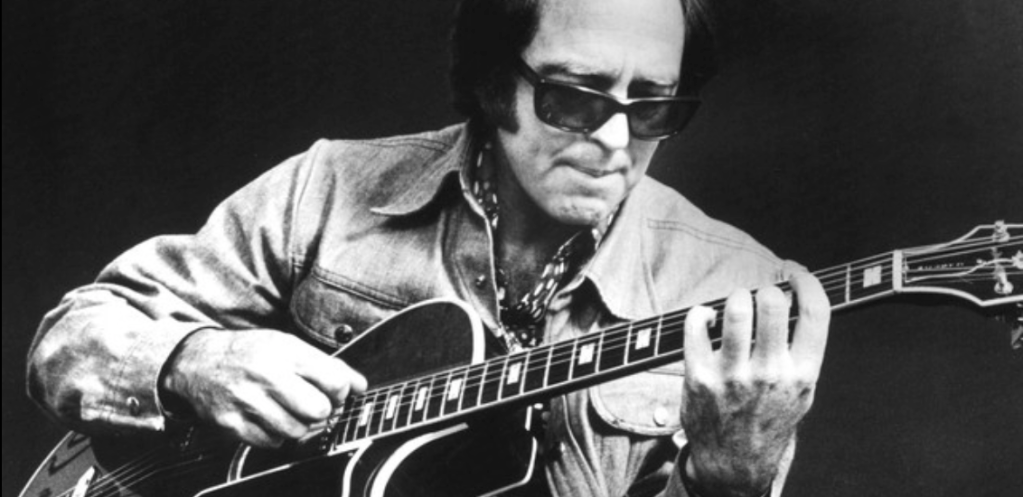
Howard Roberts is a name that resonates deeply within the jazz guitar community, renowned for his extraordinary technical skill and innovative approach to music. With a career that spans several decades, Roberts has left an indelible mark on the world of jazz, influencing countless guitarists with his unique sound and stylistic versatility. This article delves into his early life, musical evolution, signature style, key recordings, and his lasting legacy as one of the greats in jazz guitar history.
The Early Years
Born on February 2, 1929, in Phoenix, Arizona, Howard Roberts was immersed in music from a young age. His father was a talented musician, exposing Roberts to various genres, including jazz, swing, and classical music. Roberts began playing guitar at the age of 12 and quickly showed an aptitude for the instrument. By the time he was a teenager, he was already performing in local bands, developing a passion for jazz that would shape his future career.
After high school, Roberts moved to Los Angeles to pursue his musical aspirations. In the vibrant post-war jazz scene, he encountered some of the greatest musicians of his time, further honing his skills and expanding his musical vocabulary.
Musical Influences and Development
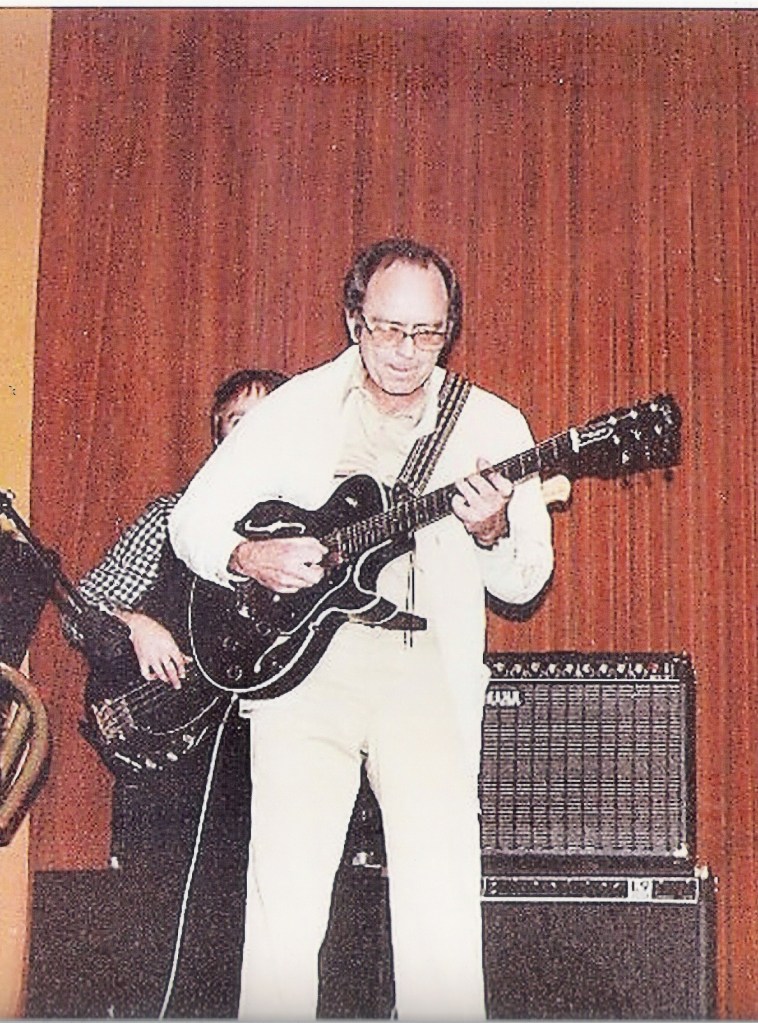
Roberts was influenced by a diverse array of musical styles and artists. He admired the melodic playing of Charlie Christian and the rhythmic prowess of Wes Montgomery, absorbing elements from each guitarist’s unique style. His early exposure to classical music also played a significant role in shaping his technical approach to guitar playing, enabling him to blend complex harmonies with a smooth, lyrical delivery.
Throughout the 1950s, Roberts became known for his work as a studio guitarist in Los Angeles, where he contributed to a wide range of recordings, from pop to jazz and even film scores. This versatility allowed him to develop a distinctive sound that combined jazz sophistication with the accessibility of popular music.
Signature Style and Technique
Howard Roberts’ guitar style is characterized by a fluid, melodic approach that combines elements of jazz, blues, and classical music. His ability to seamlessly transition between complex chord voicings and expressive single-note lines is one of the hallmarks of his playing. Roberts frequently employed advanced techniques such as fingerpicking, hybrid picking, and intricate arpeggios, which contributed to his unique sound.
One of Roberts’ signature traits is his use of altered chords and extensions, creating rich harmonic textures that add depth to his improvisations. His rhythmic sense is equally impressive, often employing syncopation and swing to bring his lines to life.
Roberts was also known for his inventive use of the guitar’s tone and dynamics. He often manipulated his instrument’s volume and attack to evoke a wide range of emotions, from subtle and introspective to bold and assertive.
Notable Recordings and Contributions
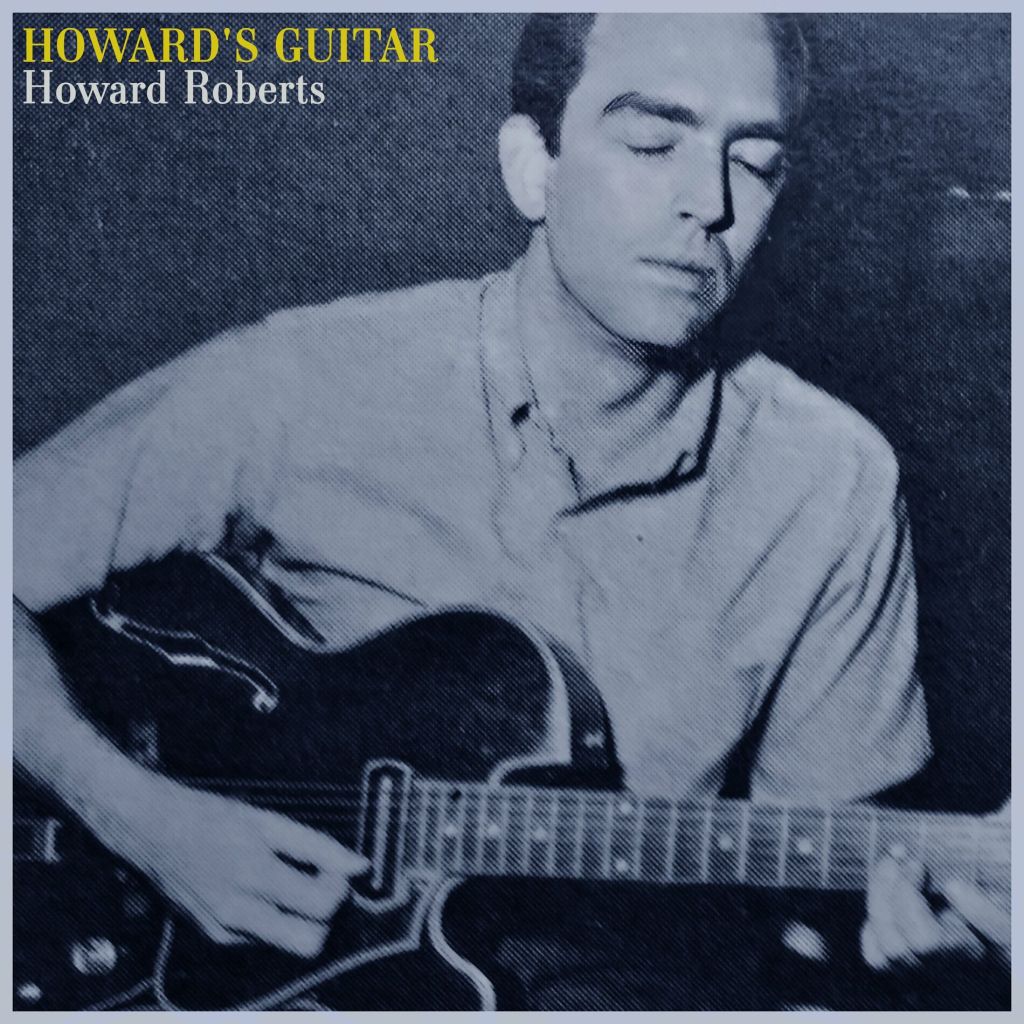
Howard Roberts recorded numerous albums as a bandleader, showcasing his exceptional talent and innovative approach to guitar. His 1965 album The Magic of Howard Roberts is a standout work, featuring original compositions and arrangements that highlight his virtuosity and melodic sensibility. Tracks like “Riffin’” and “Bach’s Fugue” exemplify his ability to blend classical influences with jazz improvisation.
In addition to his solo work, Roberts contributed to countless recordings as a session guitarist, working with a diverse array of artists, including Frank Sinatra, Ella Fitzgerald, and Johnny Cash. His versatility made him a sought-after musician in the recording industry, and his contributions helped shape the sound of popular music in the 1960s and beyond.
The Legacy of Howard Roberts
Howard Roberts’ impact on the world of jazz guitar extends far beyond his recordings. As an educator, he played a vital role in shaping the next generation of musicians. He developed a unique teaching method, incorporating elements of jazz harmony and improvisation that resonated with students. His instructional books and videos have become essential resources for aspiring guitarists.
Roberts also founded the Howard Roberts Guitar Studio, where he taught and mentored countless musicians, instilling in them a deep understanding of music theory, technique, and improvisation. His commitment to education and mentorship ensured that his influence would continue long after his passing.
In recognition of his contributions to music, Roberts received numerous accolades throughout his career, including the prestigious “Jazz Master” award from the National Endowment for the Arts.
Conclusion
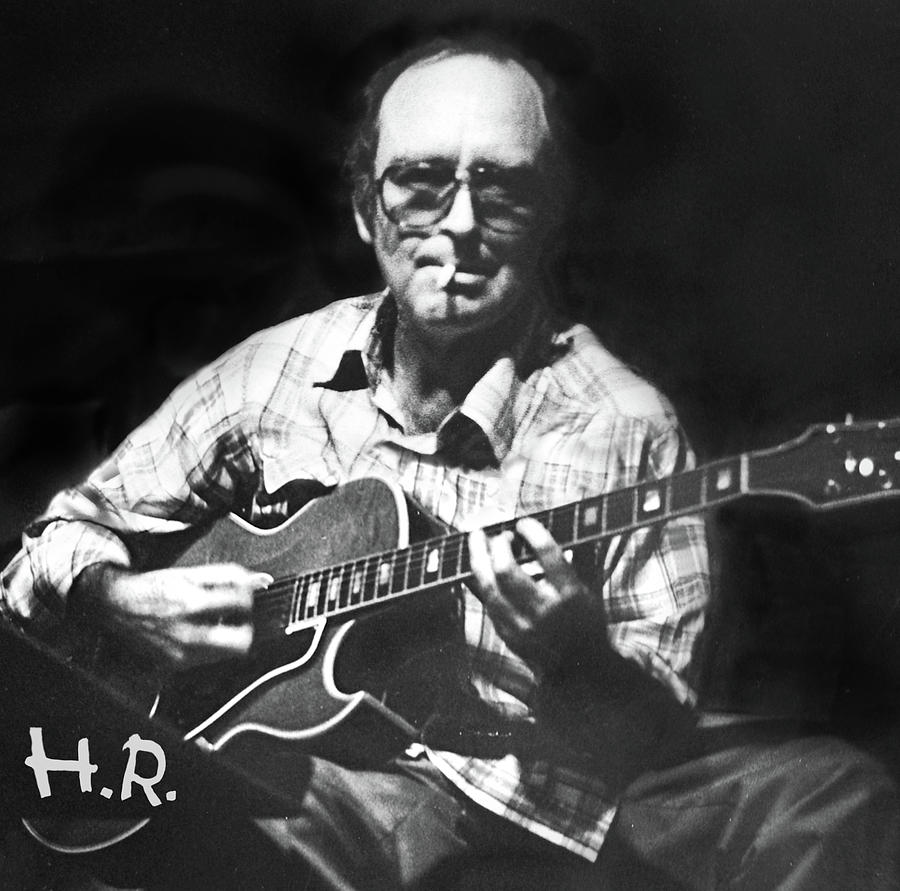
Howard Roberts remains a towering figure in the history of jazz guitar, known for his exceptional skill, innovative approach, and dedication to music education. His ability to blend diverse musical styles and techniques has left an indelible mark on the genre, influencing generations of guitarists who continue to draw inspiration from his work. As we celebrate the legacy of Howard Roberts, we recognize him as a true master of jazz guitar whose music and teachings will continue to inspire musicians for years to come.
 oscaronguitars.com
Leave a comment