
1. Why Protecting Your Guitar Matters
Guitars are delicate instruments that require proper care to maintain their sound quality, playability, and appearance. Here’s why protecting your guitar with a case or gig bag is essential:
1. Preventing Physical Damage:
- Impact Protection: Guitars are susceptible to dents, scratches, and even cracks if they’re dropped or bumped. A sturdy case or padded gig bag provides a protective barrier that absorbs shock and prevents physical damage.
- Transportation Safety: Whether you’re traveling to a gig, practice, or simply moving your guitar from room to room, a case or gig bag ensures that your instrument is protected from accidental knocks and bumps.
2. Shielding Against Environmental Factors:
- Temperature and Humidity: Guitars, especially those made of wood, are sensitive to changes in temperature and humidity. Extreme conditions can cause the wood to warp, crack, or lose its tonal qualities. A quality case helps regulate the environment around your guitar, minimizing exposure to these harmful elements.
- Dust and Dirt: Dust, dirt, and other debris can accumulate on your guitar’s finish and hardware, leading to corrosion and wear over time. A case or gig bag keeps your guitar clean and free from unwanted particles.
3. Enhancing Longevity and Resale Value:
- Maintaining Condition: Keeping your guitar in good condition not only ensures that it plays well but also preserves its value. A well-maintained guitar with minimal wear and tear will retain its resale value better than one that’s been exposed to damage.
- Investment Protection: Guitars can be significant investments, especially high-end models. Protecting them with the right case or gig bag safeguards that investment for years to come.
2. Understanding the Different Types of Guitar Cases and Gig Bags
Guitar cases and gig bags come in various styles, each offering different levels of protection, portability, and convenience. Here’s a breakdown of the most common types:
1. Hard Cases:
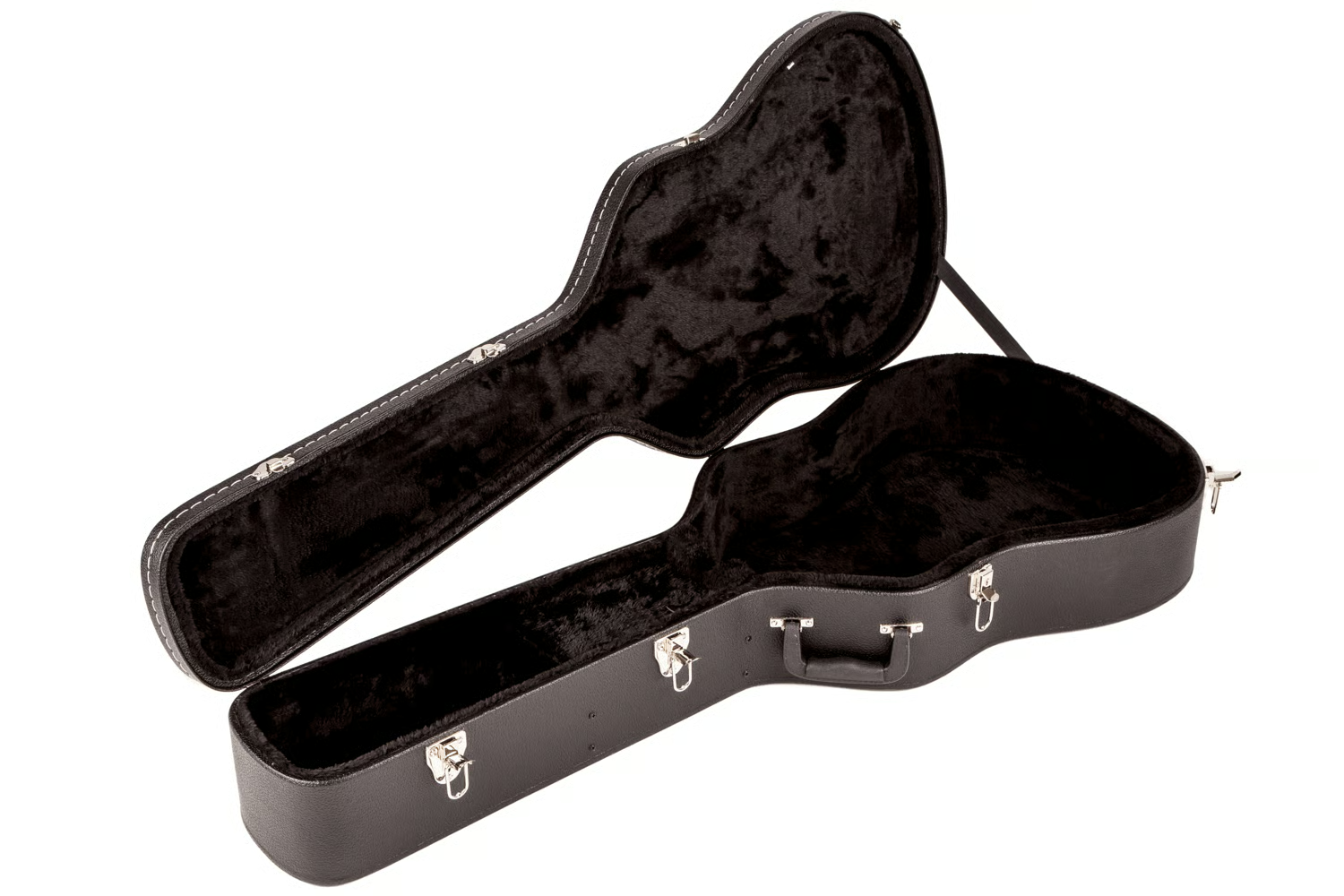
- Overview: Hard cases are the most protective option for your guitar. They feature a rigid outer shell, typically made of wood, ABS plastic, or fiberglass, with a plush-lined interior that cushions the guitar.
- Protection: Hard cases provide the highest level of protection against physical damage, including impacts, drops, and pressure. They also offer excellent protection against temperature and humidity changes.
- Portability: While hard cases are heavier and bulkier than other options, they are ideal for traveling musicians who need maximum protection during transport.
- Best For: Professional musicians, gigging players, and those who frequently travel with their guitar. Ideal for valuable or vintage guitars that require extra care.
2. Gig Bags:
- Overview: Gig bags are soft cases made of padded fabric, such as nylon or polyester. They are lightweight, easy to carry, and often come with shoulder straps or backpack-style straps for hands-free transport.
- Protection: While gig bags provide decent protection against light impacts and scratches, they are not as durable or protective as hard cases. They offer limited protection against environmental factors like temperature and humidity.
- Portability: Gig bags are highly portable, making them a convenient choice for musicians who need to carry their guitar to lessons, rehearsals, or short trips.
- Best For: Casual players, students, and musicians who need a lightweight, portable solution for local transport. Suitable for less expensive guitars or as a secondary case.
3. Hybrid Cases:
- Overview: Hybrid cases combine elements of hard cases and gig bags. They typically feature a semi-rigid structure with more padding than a gig bag but less bulk than a traditional hard case.
- Protection: Hybrid cases offer a balance between protection and portability. They provide better protection than gig bags but are not as robust as full hard cases.
- Portability: Lighter and easier to carry than hard cases, hybrid cases are a versatile option for musicians who need both protection and mobility.
- Best For: Musicians who want a mix of protection and portability, making them ideal for everyday use and moderate travel.
3. How to Choose the Right Guitar Case or Gig Bag
Choosing the right case or gig bag depends on several factors, including your guitar type, how often you travel, and your budget. Here’s how to make the best choice for your needs:
1. Consider Your Guitar Type:
- Electric Guitars: Electric guitars are generally more durable than acoustics, but they still require protection, especially during transport. A hard case or hybrid case is recommended for gigging musicians, while a gig bag may suffice for casual use.
- Acoustic Guitars: Acoustic guitars are more delicate due to their hollow bodies. A hard case is ideal for maximum protection, especially if you travel frequently. A padded gig bag can be suitable for short trips or light use.
- Bass Guitars: Bass guitars are longer and heavier than standard guitars, so you’ll need a case or gig bag designed specifically for basses. Consider a hard case or hybrid case for better protection, particularly if you’re a gigging bassist.
2. Assess Your Travel Needs:
- Frequent Travelers: If you’re often on the road, a hard case is the best option to ensure your guitar arrives safely. Look for cases with reinforced corners, TSA-approved locks, and durable handles.
- Local Transport: For local gigs, rehearsals, or lessons, a hybrid case or well-padded gig bag offers a good balance of protection and portability.
- Storage: If you primarily need a case for storage at home, a hard case provides the best protection against environmental factors. However, a gig bag can also work if your storage area is climate-controlled and secure.
3. Set Your Budget:
- Budget-Friendly Options: Gig bags are generally the most affordable option, with prices ranging from $20 to $100, depending on the padding and features. They’re a good choice if you’re on a tight budget or need a basic level of protection.
- Mid-Range Options: Hybrid cases typically cost between $100 and $200, offering a good compromise between protection and price. They’re a solid choice for intermediate players who want better protection without breaking the bank.
- High-End Options: Hard cases are the most expensive, ranging from $100 to $500 or more, depending on the materials and brand. They’re worth the investment if you have a high-value guitar or if you travel frequently.
4. Look for Additional Features:
- Padding and Lining: Check the amount and quality of padding in gig bags and hybrid cases. The interior lining should be soft and plush to protect your guitar’s finish.
- Storage Compartments: Some cases and gig bags come with additional storage compartments for accessories like picks, strings, cables, and sheet music. This can be a convenient feature, especially for gigging musicians.
- Handles and Straps: Ensure the case or gig bag has sturdy handles and comfortable straps for easy carrying. Backpack-style straps are a plus for musicians who need to carry multiple items.
- Weather Resistance: If you often find yourself in unpredictable weather, look for a case or gig bag with water-resistant materials or a built-in rain cover to protect your guitar from moisture.
4. Conclusion: Protecting Your Guitar with the Right Case or Gig Bag
Investing in a quality guitar case or gig bag is essential for protecting your instrument from damage, extending its lifespan, and maintaining its value. Whether you’re a casual player, a gigging musician, or a traveling performer, choosing the right protection for your guitar can give you peace of mind and ensure that your instrument stays in top condition.
By considering your guitar type, travel needs, and budget, you can select a case or gig bag that offers the right balance of protection, portability, and convenience. Remember, the right case not only protects your guitar but also makes your musical journey smoother and more enjoyable.
 oscaronguitars.com
Leave a comment