

As a guitarist, one of the big questions you’ll eventually face is whether to invest in a single premium guitar or build a collection of more affordable instruments. Both approaches have their advantages, but the choice ultimately depends on your goals, musical needs, and budget. In this article, we’ll dive into the benefits and drawbacks of each option, helping you determine the best approach for your guitar journey.
Why You May Consider a Premium Guitar

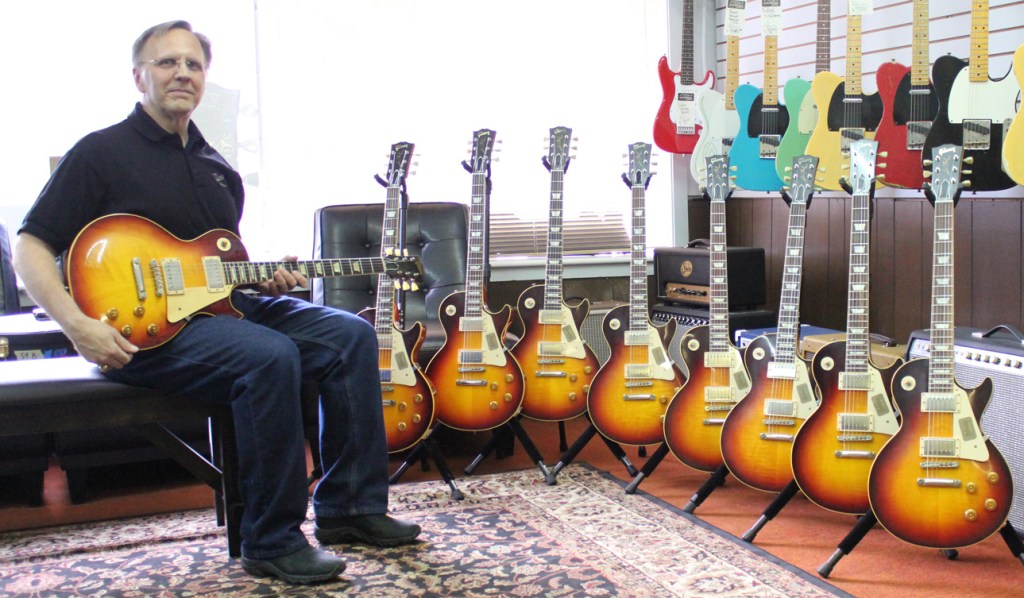
High-end guitars are often viewed as the pinnacle of craftsmanship and performance. These instruments—whether they’re from legendary brands like Gibson, Fender Custom Shop, PRS, or boutique luthiers—are built with precision, using top-quality materials that deliver unmatched sound, playability, and longevity. But what really makes owning a premium guitar so special?
- Craftsmanship and Attention to Detail
Premium guitars are meticulously crafted to offer flawless playability and exceptional tone. The materials used—everything from the tonewoods to the hardware—are carefully selected to ensure a superior playing experience. Whether it’s the smoothness of the neck or the richness of the pickups, these guitars are designed to feel like an extension of your hands. - Reliability and Longevity
A premium guitar is built to last. The precision in construction means fewer setup issues, better tuning stability, and a longer lifespan for both the electronics and hardware. These guitars are often gig-ready right out of the box and perform consistently in any setting, from live shows to studio recordings. - Resale Value
Unlike cheaper guitars, premium instruments often retain a significant portion of their value over time. In some cases, certain models or limited editions may even appreciate, making them a sound investment for collectors or musicians who want to upgrade later.
However, this doesn’t mean that a premium guitar is the best fit for everyone. The steep price tag can be a deterrent, and for some players, it may not offer the variety or flexibility they desire.
Why You May Consider a Collection of Affordable Guitars
For many players, the appeal of owning multiple guitars is too strong to ignore. Rather than putting all your money into one premium instrument, you can spread it out across a variety of affordable guitars, each offering different tones, features, and styles. Here’s why building a collection of affordable guitars can be just as compelling:
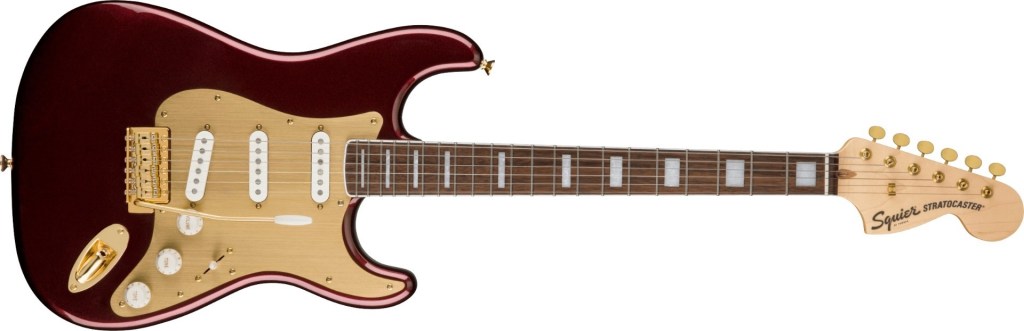
- Tonal Variety
One of the biggest advantages of having several affordable guitars is the ability to access different tones and play styles. You can have a guitar for different tunings, another for slide playing, and one specifically for heavy distortion. If you enjoy experimenting with different genres or playing techniques, having a range of guitars gives you the flexibility to adapt to any musical situation. - Exploration Without Breaking the Bank
These days, you don’t have to spend a fortune to get a guitar that plays well. Affordable guitars, especially those from reliable brands, have dramatically improved in quality over the years. Many entry-to-mid-level guitars offer excellent build quality and tone, giving you a solid instrument without the premium price tag. This allows you to explore different types of guitars—whether it’s a hollow body for jazz or a shredder for metal—without spending thousands. - Less Pressure to Maintain Perfection
When you own a premium guitar, there’s always a bit of anxiety about keeping it in pristine condition. Dings, scratches, and other signs of wear can reduce its resale value or just hurt to see on such a costly instrument. With more affordable guitars, there’s less pressure, which often encourages more relaxed playing and experimentation. - Modification Potential
Many affordable guitars are great candidates for upgrades. Swapping out pickups, tuning machines, or bridges can dramatically improve the sound and playability of a budget guitar. Some players love the DIY aspect of modding their guitars and turning a $500 instrument into something that punches well above its weight.
But as with anything, owning a collection of affordable guitars comes with its own set of challenges, from maintenance to varying build quality.
Pros and Cons:
Pros of Owning One Premium Guitar:
- Superior Craftsmanship: High-end guitars are built with the best materials and construction techniques, ensuring excellent playability and durability.
- Versatile Sound: Many premium guitars offer a wide tonal range, making them suitable for various styles and settings.
- Investment Value: Premium guitars tend to hold their value better than cheaper ones, and some may even appreciate in value over time.
- Reliability: Premium guitars are often ready to play at a professional level straight out of the box, requiring less maintenance and fewer upgrades.
Cons of Owning One Premium Guitar:
- High Cost: Premium guitars are a significant investment and may not fit into every guitarist’s budget.
- Lack of Variety: Even the most versatile guitar can’t cover every musical style. You may miss having different guitars tailored to specific sounds or genres.
- Risk of Damage: The higher price and prestige of a premium guitar might make you hesitant to take it to gigs or play it casually, for fear of damage.
Pros of Owning a Collection of Affordable Guitars:
- Tonal Diversity: Multiple guitars offer different tonal palettes, allowing you to experiment with various sounds and styles.
- Cost-Effective: You can often get two or three well-made budget guitars for the price of one premium instrument, offering more variety for less money.
- Customization: Budget guitars are often prime candidates for modifications, letting you personalize and upgrade them over time.
- Relaxed Playing: With cheaper guitars, you might feel less anxious about wear and tear, allowing for more spontaneous playing and experimentation.
Cons of Owning a Collection of Affordable Guitars:
- Inconsistent Quality: The quality of budget guitars can vary, and some may require more setup and maintenance to perform at their best.
- Ongoing Maintenance: Owning multiple guitars means more string changes, setups, and maintenance, which can add up in both cost and effort.
- Resale Value: Affordable guitars typically don’t hold their value as well as premium instruments, so selling them may not recoup much of your initial investment.
- Storage Space: Having multiple guitars means you’ll need space to store and manage them, which can become a challenge if your collection grows.
Conclusion
Deciding between owning one premium guitar or a collection of affordable guitars depends on your individual playing style, budget, and musical goals. A high-end guitar offers superior craftsmanship, reliability, and versatility, making it ideal for professional or serious players who want a single go-to instrument. On the other hand, a collection of affordable guitars allows for greater tonal variety and experimentation, perfect for players who love exploring different sounds and styles without breaking the bank. Whichever path you choose, both approaches offer unique advantages that can enhance your guitar-playing experience.
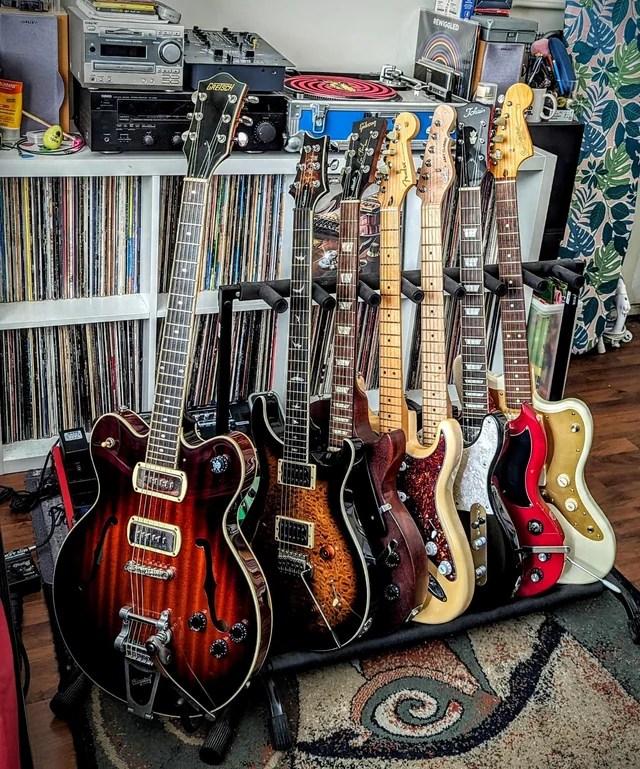
But hey, who says you have to choose? If your budget allows (or if you’ve perfected the art of convincing your significant other), why not have the best of both worlds? Imagine this: a couple of premium guitars proudly displayed on your wall for when you’re feeling fancy, and a collection of affordable, quirky guitars for those “I need to try a new tuning, and it’s probably going to sound terrible” moments. After all, guitars are like potato chips—no one can have just one! And let’s face it, a true guitarist’s dream is to open a closet and have guitars tumble out like a glorious avalanche of six-stringed joy. Just make sure you have enough wall hooks and stands… and maybe an extra room or two!
 oscaronguitars.com
Leave a comment