

Larry Coryell, often hailed as the “Godfather of Fusion,” was a pioneering guitarist whose innovative style and genre-blending approach changed the landscape of modern music. Born on April 2, 1943, in Galveston, Texas, Coryell’s exceptional talent and vision helped to shape the fusion genre, blending jazz, rock, and blues in ways that had never been heard before. This article delves into his early life, musical journey, signature techniques, key albums, and his lasting influence on the world of guitar.
Early Life and Musical Beginnings
Coryell’s musical journey began at a young age, with his first instrument being the trumpet. However, it was the guitar that captured his heart. He started playing during his teenage years and quickly developed a passion for music, drawing inspiration from a diverse array of genres. Coryell’s early influences included jazz legends like Wes Montgomery and Charlie Parker, as well as rock icons like Jimi Hendrix.
After graduating from high school, he began performing in various bands, honing his skills and establishing his identity as a guitarist. By the late 1960s, Coryell had made a name for himself on the burgeoning music scene, showcasing his talent in clubs and festivals across the country.
The Birth of Fusion
In 1969, Coryell released his debut album, Lady Coryell, which showcased his innovative style and set the stage for the fusion movement. He combined elements of jazz improvisation with rock’s energy and blues’ emotional depth, creating a sound that was both fresh and captivating. His approach to guitar playing was characterized by intricate chord voicings, fluid melodies, and a willingness to experiment with different musical ideas.
Coryell’s collaborations with other musicians played a significant role in the development of fusion. He formed the group The Eleventh House, which featured a rotating cast of talented musicians, including keyboardist Monty Waters and drummer Alphonse Mouzon. The band released several albums, including Introducing the Eleventh House (1974), which further solidified Coryell’s reputation as a groundbreaking artist.
Signature Techniques and Style
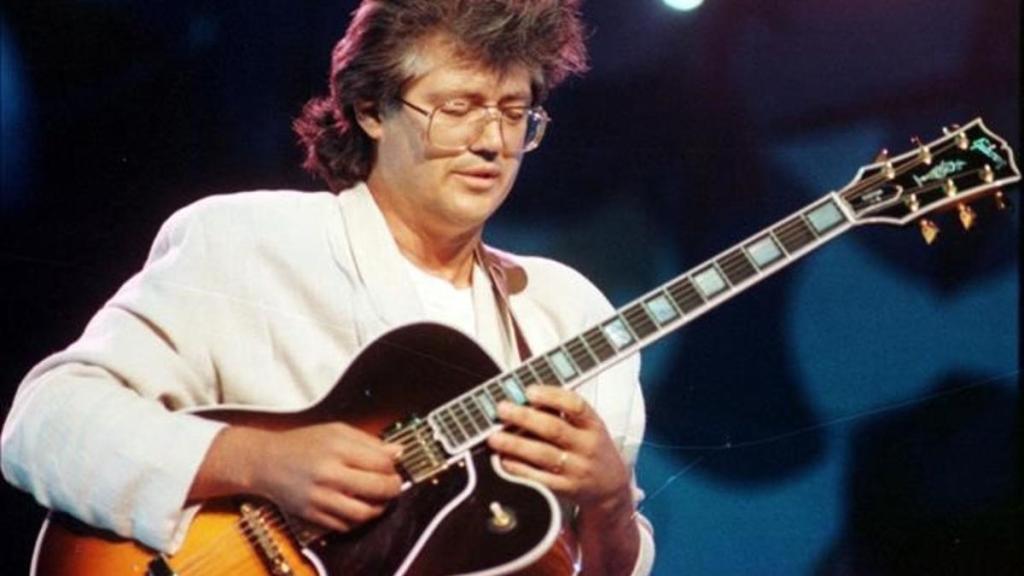
Larry Coryell’s guitar playing is marked by his exceptional technique and creativity. He was known for his ability to seamlessly blend jazz and rock elements, utilizing a unique approach to improvisation. His fluid legato style, combined with intricate picking techniques, allowed him to navigate complex chord changes and create rich melodic lines.
One of Coryell’s most notable contributions to guitar technique is his use of harmonics and alternate tunings, which added depth and texture to his playing. He often employed open tunings to create unique chord voicings and explored polychords, resulting in a sound that was both innovative and sophisticated.
Coryell’s approach to composition was equally unique. He frequently incorporated unconventional time signatures and complex arrangements into his music, challenging listeners and pushing the boundaries of traditional jazz and rock. This willingness to experiment made him a key figure in the fusion movement and inspired countless musicians to explore new musical territories.
Notable Albums and Contributions
Throughout his career, Larry Coryell released numerous albums that showcased his immense talent and creativity. His 1970 album The Real Great Escape is often regarded as a landmark recording in the fusion genre, featuring tracks like “Meditations” and “Ain’t It the Truth,” which highlight his innovative guitar work and compositional skills.
In 1976, Coryell collaborated with jazz legends like John McLaughlin and Paco de Lucía on the album Meeting of the Spirits. This groundbreaking project further established his place in the fusion genre and demonstrated his ability to collaborate with some of the greatest musicians of his time.
Coryell’s influence extended beyond his solo work. He was a sought-after collaborator, working with a diverse range of artists, including guitarists such as B.B. King, Larry Carlton, and George Benson. His contributions to the music world were recognized with numerous accolades, including induction into the New Jersey Hall of Fame in 2014.
The Legacy of Larry Coryell
Larry Coryell’s impact on the guitar world is profound and enduring. As one of the pioneers of fusion, he paved the way for countless musicians to explore new sounds and techniques. His unique approach to improvisation, composition, and guitar technique has inspired generations of guitarists across various genres, from jazz and rock to blues and beyond.
Musicians such as John Scofield, Mike Stern, and Pat Metheny have all cited Coryell as a significant influence on their work, showcasing the far-reaching effects of his innovative style. His willingness to push musical boundaries and challenge conventions has left an indelible mark on the world of guitar.
In recognition of his contributions to music, Coryell received numerous accolades throughout his career, including the prestigious “Best Jazz Guitarist” award from Guitar Player magazine. His legacy as a pioneering figure in the fusion genre continues to resonate with aspiring guitarists, who seek to emulate his distinctive sound and adventurous spirit.

Conclusion
Larry Coryell’s influence on the guitar and music as a whole is immeasurable. As a pioneer of fusion, he transformed the way guitarists approached improvisation and composition, leaving a lasting legacy that continues to inspire musicians today. Through his innovative techniques, genre-defying collaborations, and boundary-pushing compositions, Coryell has solidified his place as a true icon in the world of guitar.
 oscaronguitars.com
Leave a comment