
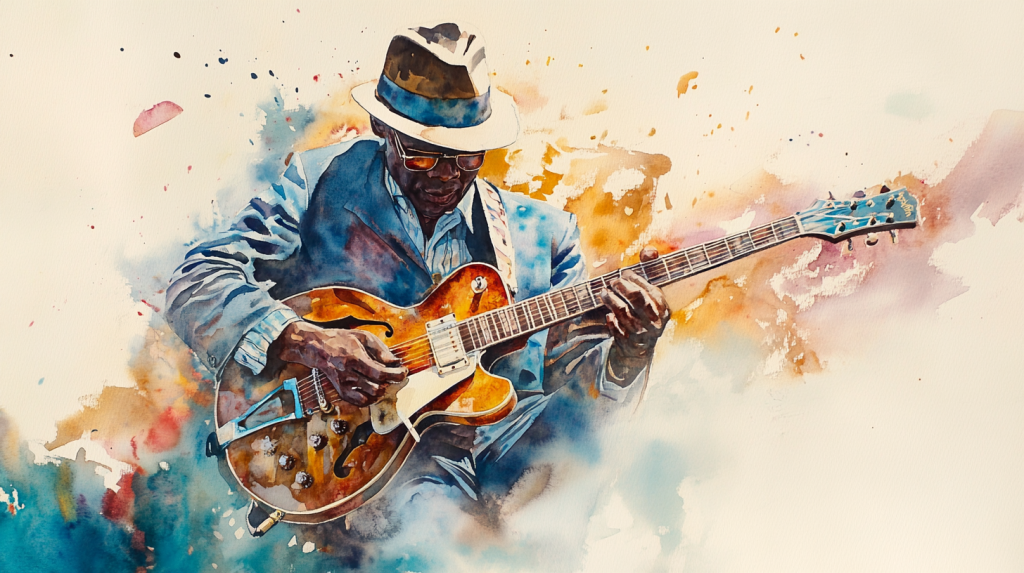
So, you’re ready to dive into the world of guitar playing, but with so many options out there, how do you pick the right guitar for your preferred music genre? Whether you’re into rock, blues, jazz, metal, or something in between, the guitar you choose can make a big difference in achieving the sound you’re after. Let’s break down how to select the perfect guitar for your style, so you can hit the right notes from the start.
1. Rock: Go for Versatility and Power
When it comes to rock, you need a guitar that’s versatile and can handle everything from crunchy rhythm parts to soaring solos. Rock guitars are typically equipped with pickups that can deliver both clean and distorted tones, making them suitable for various subgenres like classic rock, hard rock, and alternative.
Recommended Guitars:
- Fender Stratocaster: Known for its versatility, the Stratocaster’s single-coil pickups offer bright, clean tones that are perfect for classic rock, while its design allows for easy playability and expressive solos.
- Gibson Les Paul: With its humbucker pickups, the Les Paul delivers a thicker, more powerful tone that’s ideal for heavier rock styles. Its sustain and rich sound make it a go-to for many rock legends.
Tip: Look for a guitar with a solid body and comfortable neck that allows for both rhythm and lead playing. A guitar with a whammy bar can also add some extra flair to your solos.
2. Blues: Focus on Tone and Expression
Blues guitarists need an instrument that offers rich, expressive tones with plenty of sustain. The right guitar will allow you to bend notes with ease and produce that classic warm, soulful sound that’s at the heart of blues music.
Recommended Guitars:
- Fender Telecaster: The Telecaster’s bright, twangy tone and simple design make it a favorite for blues players. Its single-coil pickups provide clear, articulate notes, perfect for both rhythm and lead blues playing.
- Gibson ES-335: This semi-hollow body guitar offers a warm, resonant tone with plenty of sustain, making it ideal for slow, expressive blues solos. The ES-335’s versatility also makes it a great choice for blending blues with other genres.
Tip: Look for a guitar with a comfortable neck that’s easy to bend notes on. The tone and volume controls should be responsive, allowing you to shape your sound as you play.
3. Jazz: Seek Warmth and Smoothness
Jazz guitarists typically prefer a guitar that delivers warm, smooth tones with plenty of resonance. The instrument should be capable of producing complex chord voicings and smooth, flowing solos.
Recommended Guitars:
- Gibson L-5: A classic in the jazz world, the Gibson L-5 is an archtop guitar known for its rich, warm tone. Its hollow body design provides excellent resonance, making it perfect for traditional jazz sounds.
- Ibanez Artcore Series: The Artcore series offers affordable semi-hollow and hollow body guitars that are great for jazz. They provide warm tones and smooth playability, making them a popular choice for jazz guitarists on a budget.
Tip: Choose a guitar with a hollow or semi-hollow body for that classic jazz resonance. Pay attention to the neck shape and scale length, as jazz often involves complex fingerwork that requires a comfortable, responsive instrument.
4. Metal: Prioritize Power and Speed
Metal guitarists need an instrument that can handle high-gain distortion, fast riffs, and aggressive playing styles. A guitar with high-output pickups and a fast neck is essential for delivering the crushing tones and speed metal demands.
Recommended Guitars:
- Ibanez RG Series: Known for their thin necks and high-output pickups, Ibanez RG guitars are designed for speed and precision. They’re perfect for shredding and can handle the heavy distortion required for metal.
- Jackson Soloist: The Jackson Soloist is a favorite among metal guitarists for its neck-through design, which offers excellent sustain and stability. Its powerful humbuckers deliver the thick, aggressive tones needed for metal.
Tip: Look for a guitar with humbucker pickups, as they provide the output and tone needed for heavy distortion. A fast neck with a flat radius will help you play quick, intricate riffs with ease.
5. Country: Emphasize Twang and Clarity
Country music often requires a guitar that can produce bright, twangy tones with clear articulation. Whether you’re playing classic country, modern country rock, or bluegrass, your guitar should be able to cut through the mix with its sharp, lively sound.
Recommended Guitars:
- Fender Telecaster: The Telecaster’s bright, snappy tone makes it a country music staple. Its single-coil pickups deliver the classic twang that’s perfect for country riffs and solos.
- Gretsch G6120: Known for its distinctive look and sound, the Gretsch G6120 offers a bright, resonant tone with plenty of twang. Its hollow body design provides extra resonance, making it ideal for both rhythm and lead country playing.
Tip: Look for a guitar with single-coil pickups and a bright, punchy tone. The guitar should also be comfortable to play while standing, as country performances often involve a lot of movement.
6. Indie/Alternative: Opt for Versatility and Uniqueness
Indie and alternative musicians often look for guitars that offer a unique sound and aesthetic. The right guitar should be versatile enough to handle a wide range of tones and styles, from jangly, clean tones to distorted, experimental sounds.
Recommended Guitars:
- Fender Jazzmaster: The Jazzmaster’s offset body shape and unique pickup design make it a favorite for indie and alternative musicians. It offers a wide range of tones, from bright and jangly to warm and mellow.
- Rickenbacker 330: Known for its distinctive jangle, the Rickenbacker 330 is perfect for indie and alternative music. Its unique tone and design set it apart from more traditional guitars.
Tip: Look for a guitar that offers versatility in tone and a distinctive appearance. Many indie guitarists prefer offset body shapes and unique finishes that stand out on stage.
Conclusion: Match Your Guitar to Your Musical Style
Choosing the right guitar for your music genre is about finding the perfect match between the instrument and the sound you want to create. Whether you’re drawn to the soulful tones of the blues, the crushing power of metal, or the smooth resonance of jazz, there’s a guitar out there that’s just right for you.
Remember, the most important thing is how the guitar feels and sounds in your hands. Take your time, try out different models, and don’t be afraid to experiment until you find the guitar that inspires you to play your best.
 oscaronguitars.com
Leave a comment