
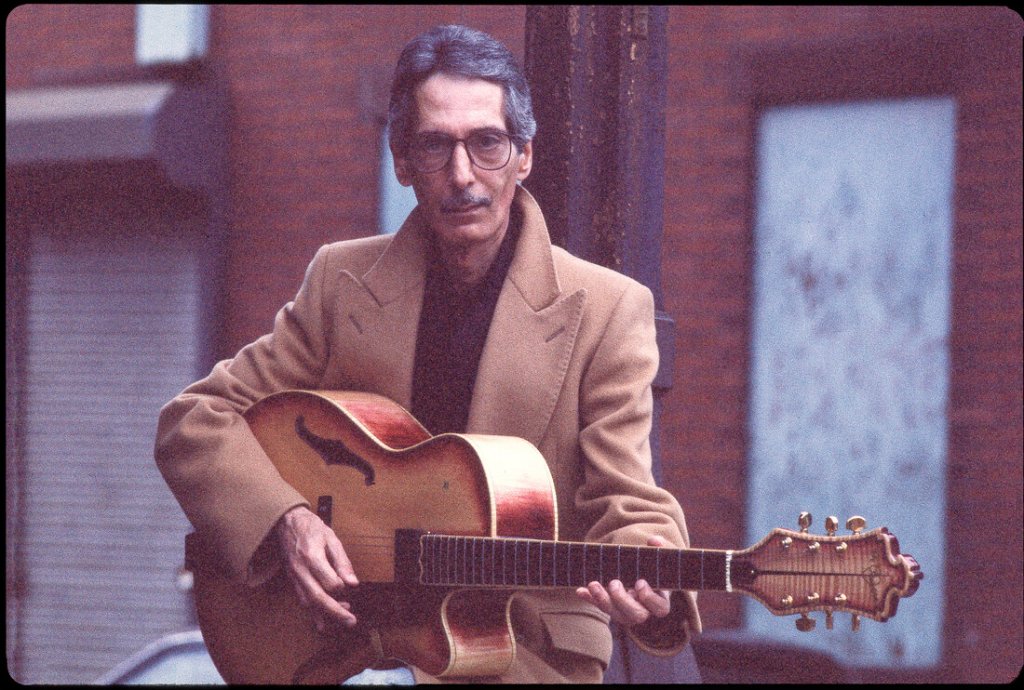
Pat Martino, one of the most influential and technically proficient jazz guitarists of all time, is known for his impeccable technique, innovative approach, and ability to fuse complex harmonic ideas into a unique sound. Over the course of his career, Martino has influenced countless guitarists across genres, but it’s his mastery of jazz that has solidified his legacy as one of the greats in the guitar world. This article explores Pat Martino’s journey, his groundbreaking contributions to jazz guitar, and the enduring impact he continues to have on the music world.
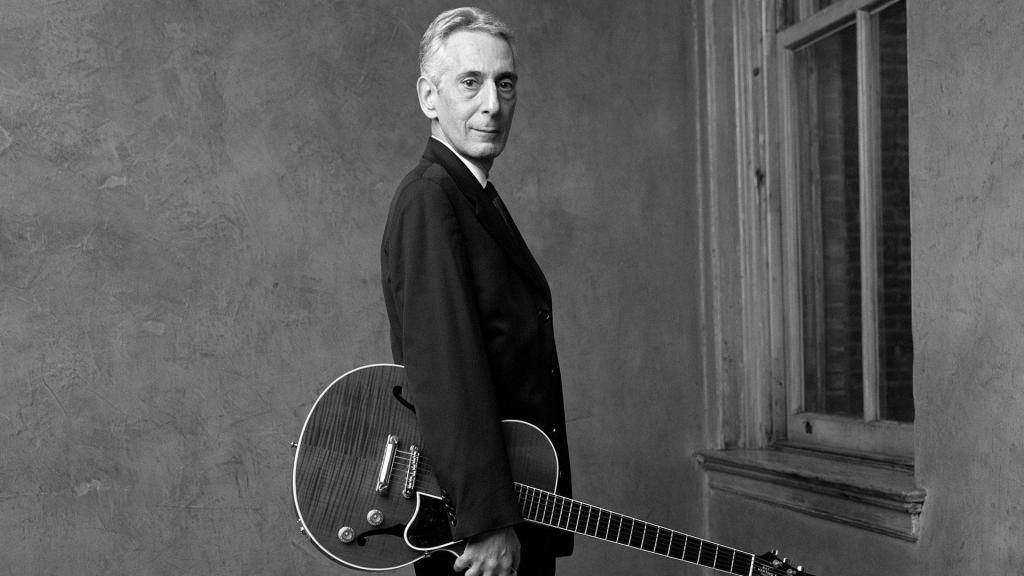
Early Life and Musical Influences
Born on August 25, 1944, in Philadelphia, Pennsylvania, Pat Martino was introduced to music at a young age. Raised in a musical family, he initially showed an interest in the piano before settling on the guitar. Martino’s love for the instrument grew after hearing jazz greats such as Wes Montgomery, Charlie Christian, and Django Reinhardt. These early influences would shape his sound and drive his desire to master the guitar.
Martino’s early exposure to jazz music and his determination to learn were crucial to his development as a guitarist. He studied privately with local teachers and, by his teenage years, was already playing professionally in the Philadelphia jazz scene. His natural talent and quick grasp of complex harmonic ideas soon caught the attention of more seasoned musicians, and it wasn’t long before he was performing with jazz luminaries.

Breakthrough and Early Success
Pat Martino’s professional career took off in the 1960s, and his first significant break came when he was hired by legendary saxophonist Sonny Stitt. This opportunity allowed him to refine his skills and learn from some of the best in the business. By the late ’60s, Martino had formed his own group, and in 1967, he recorded his debut album, El Hombre, which would go on to become a defining moment in his career.
The album showcased Martino’s deep knowledge of jazz harmony, improvisation, and his ability to blend bebop and hard-bop elements with his own unique style. His crisp, clean tone, intricate lines, and command of chord progressions immediately set him apart from other guitarists of the time. This early success laid the groundwork for a prolific career that would see Martino play with many of jazz’s greatest musicians, including Miles Davis, Joe Zawinul, and McCoy Tyner.

The Art of Improvisation and Unique Style
One of the hallmarks of Pat Martino’s playing is his extraordinary ability to improvise. His improvisational style is highly sophisticated, incorporating advanced harmonic techniques, and his lines are often full of tension and release. Martino is known for his complex chord voicings, intricate arpeggios, and a deep understanding of jazz theory, all of which have allowed him to create memorable solos that are both technically demanding and emotionally resonant.
His approach to improvisation is rooted in his understanding of chord tones and scales, but he’s also known for exploring unconventional routes. Martino has a knack for approaching melody from unusual angles, often moving away from the predictable pathways that many jazz guitarists fall into. His ability to stretch the boundaries of jazz harmony and rhythm while maintaining melodic clarity is one of the key reasons for his distinction as a top-tier jazz guitarist.
Additionally, Martino is a master of the “two-handed technique,” where he plays intricate lines using both hands to create speed and precision that few guitarists can replicate. This technique, paired with his melodic inventiveness, sets Martino apart as a guitarist who was constantly pushing the envelope.

Health Struggles and Comeback
In the mid-1980s, Martino faced a devastating setback that could have ended his career: he suffered a brain aneurysm that caused significant memory loss and erased many of the guitar skills he had spent years developing. After undergoing surgery, Martino found himself with the challenge of relearning how to play guitar from scratch. Remarkably, he was able to regain his skills and return to performing and recording, further cementing his reputation as a true musical force.
Pat Martino’s comeback is one of the most inspirational stories in the world of jazz and music in general. It showcased his resilience and unwavering dedication to his craft. He resumed performing live and recording albums that would again highlight his exceptional talent and ingenuity. His 2004 album Remember: A Tribute to Wes Montgomery is a notable example of his ability to reinvent himself and honor the traditions of jazz while continuing to push his creative boundaries.
Signature Albums and Collaborations
Throughout his career, Pat Martino has released numerous albums that showcase his brilliance as a composer, guitarist, and bandleader. His albums from the 1970s, such as Baiyina (The Clear Evidence) and Live!, are often regarded as some of his finest works, capturing his musical evolution and mastery of jazz fusion. These albums demonstrate his unique ability to blend jazz with elements of funk and rock, while maintaining the improvisational core that is central to jazz guitar.
Martino’s collaborations with other jazz greats also stand as a testament to his talent. He has worked with musicians such as John Scofield, Billy Cobham, and Tony Williams, contributing his distinctive voice to their projects. His work with the legendary jazz drummer Elvin Jones on the album Pat Martino and Elvin Jones is another high point in his career, displaying his versatility and ability to work with different jazz styles and rhythms.
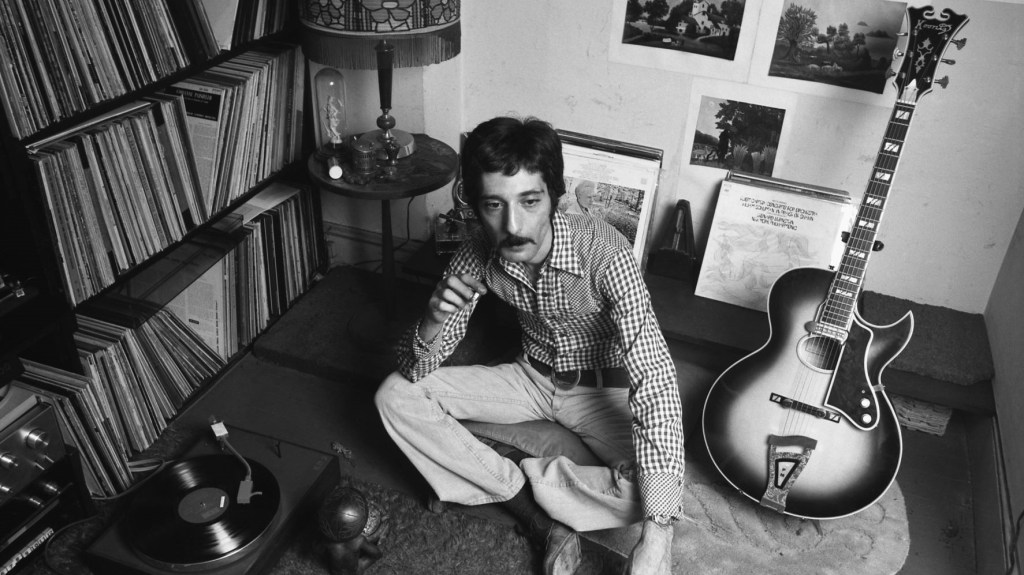
Legacy and Influence
Pat Martino’s influence on jazz guitar is vast. His technical proficiency, harmonic understanding, and ability to push the boundaries of improvisation have made him a favorite among guitarists. His work has inspired generations of players, from those who study the finer points of jazz theory to those who simply appreciate the beauty of his sound.
Guitarists such as John Scofield, Mike Stern, and Kurt Rosenwinkel have all cited Martino as a major influence on their own playing. His unique voice and approach to the instrument continue to shape the way jazz guitar is played today.
Martino’s story is one of perseverance, brilliance, and unwavering dedication to his craft. He continues to inspire both seasoned players and newcomers alike, showing that the power of music—and the will to overcome adversity—can lead to unparalleled creativity and expression.
Conclusion
Pat Martino is a legendary figure in the world of jazz guitar, whose technical expertise and musical innovation have left an indelible mark on the genre. Whether through his groundbreaking solos, memorable compositions, or his miraculous comeback after his brain aneurysm, Martino’s contributions to jazz and the guitar world are immeasurable. His legacy is one of mastery, resilience, and a relentless drive to explore new musical horizons.

 oscaronguitars.com
Leave a comment