

From Columbus to Contemporary Blues Icon
Born on August 1, 1953, in Columbus, Georgia, and raised in the Pacific Northwest, Robert Cray has become one of the leading figures in blues and soul music. His unique blend of blues, R&B, and soul has redefined the genre and brought blues into the contemporary music scene with a fresh and modern twist.
A Career Marked by Innovation and Influence
Cray’s breakthrough came with the release of his 1986 album Strong Persuader, which showcased his smooth vocal style and clean guitar playing. The album not only won him a Grammy Award but also produced hits like “Smoking Gun,” bringing him mainstream success uncommon for blues artists of the time. Cray’s sound, often described as a bridge between traditional blues and modern soul, helped rejuvenate the blues genre for a new generation of listeners.
Iconic Tracks: The Smooth Sounds of Robert Cray
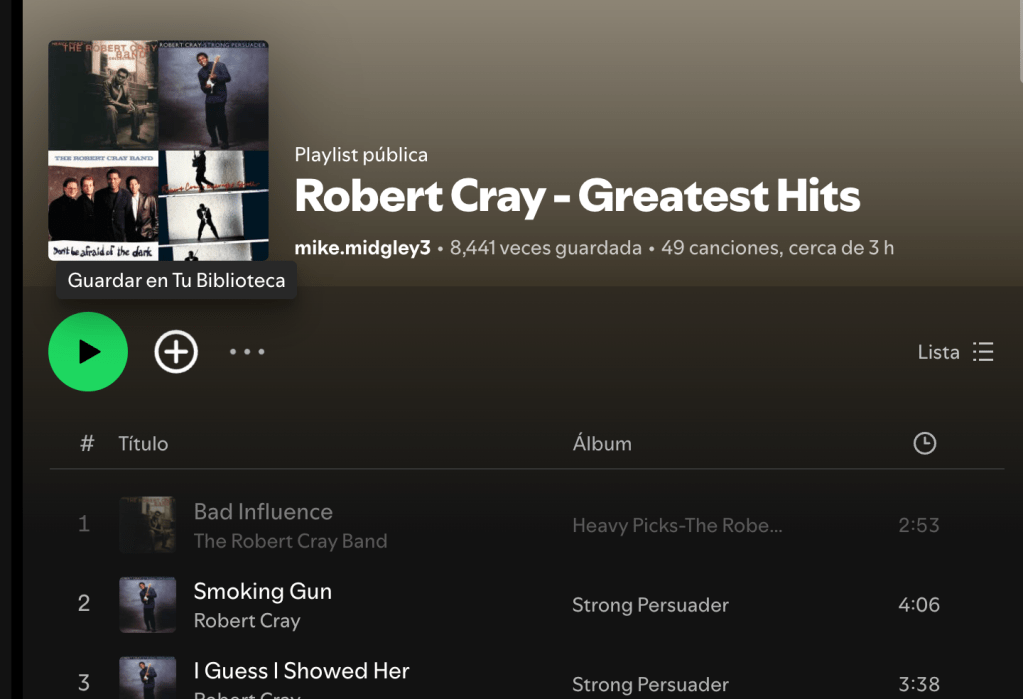
Robert Cray’s music seamlessly combines soulful melodies with bluesy riffs, highlighted in several key tracks:
- “Smoking Gun” – Perhaps his most famous song, it features Cray’s crisp guitar work and compelling storytelling, capturing the essence of his modern blues sound.
- “Right Next Door (Because of Me)” – A poignant ballad that showcases his soulful vocals and lyrical depth, telling a story of love and regret.
- “Don’t Be Afraid of the Dark” – The title track from his 1988 album, this song highlights Cray’s ability to blend R&B grooves with traditional blues themes.
- “Phone Booth” – An earlier hit that features gritty guitar lines and vivid lyrics, demonstrating his roots in classic blues traditions.
Gear and Technique: Merging Tradition with Modernity
Robert Cray is known for his Fender Stratocaster, which helps produce his signature clean and crisp guitar tone. Unlike many traditional blues guitarists who favor a grittier sound, Cray’s playing is polished, with a focus on clarity and precision. He often uses a relatively minimalistic setup, eschewing extensive effects for a more straightforward sound that lets his guitar work and vocal prowess shine.
Influence and Impact
Cray’s influence on the blues is notable for its integration of diverse musical styles, making blues accessible and relevant to contemporary audiences. His work has not only earned him multiple Grammy Awards but has also inspired a host of musicians in blues, R&B, and rock genres. Cray continues to tour and record, maintaining a strong presence in the music industry and continuing to influence the evolution of the blues.
Conclusion: The Continuing Legacy of Robert Cray
Robert Cray remains a vital figure in the blues community, celebrated for his innovative approach and musical versatility. His career is a testament to the enduring appeal of the blues, proving that the genre can evolve and adapt while remaining true to its roots. Cray’s influence is sure to be felt for generations to come, as he continues to bring the soul and emotion of the blues to new audiences around the world.
Bonus Track: 10 Facts About Robert Cray
- Early Musical Exposure: Grew up influenced by gospel, jazz, rock, and soul music.
- Formative Years: Began his music career playing in bands during high school.
- Grammy Awards: Has won five Grammy Awards over the course of his career.
- Collaborations: Has collaborated with a range of artists, including Eric Clapton and John Lee Hooker.
- Film Appearances: Appeared in the 1987 film Hail! Hail! Rock ‘n’ Roll, documenting Chuck Berry’s 60th birthday.
- Musical Diversity: Known for crossing genre boundaries by incorporating elements of pop, rock, and soul into his blues compositions.
- Dedication to Touring: Maintains an active touring schedule, bringing his music to fans worldwide.
- Influential Guitar Style: Recognized for his influential guitar technique and distinctive tone.
- Activism: Known for his advocacy on social issues through his music and public statements.
- Continued Creativity: Continues to release new music, with albums that explore various facets of the blues and beyond.
 oscaronguitars.com
Leave a comment