
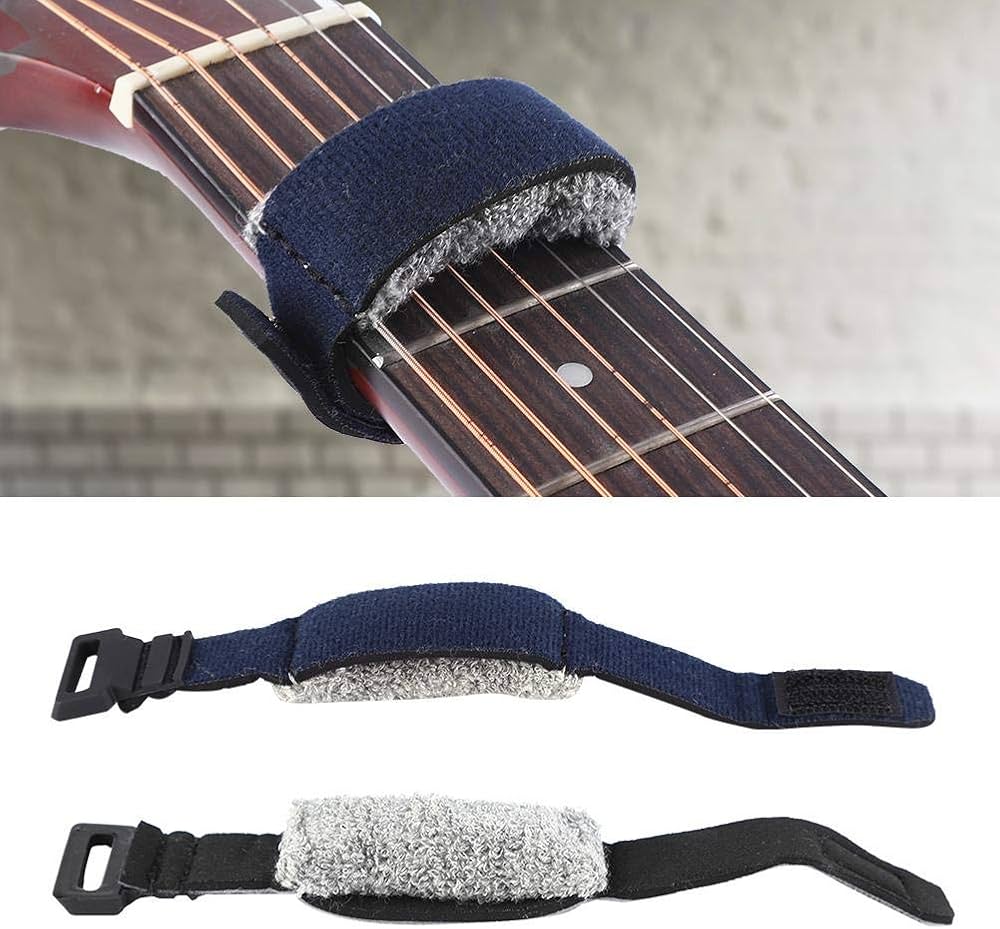
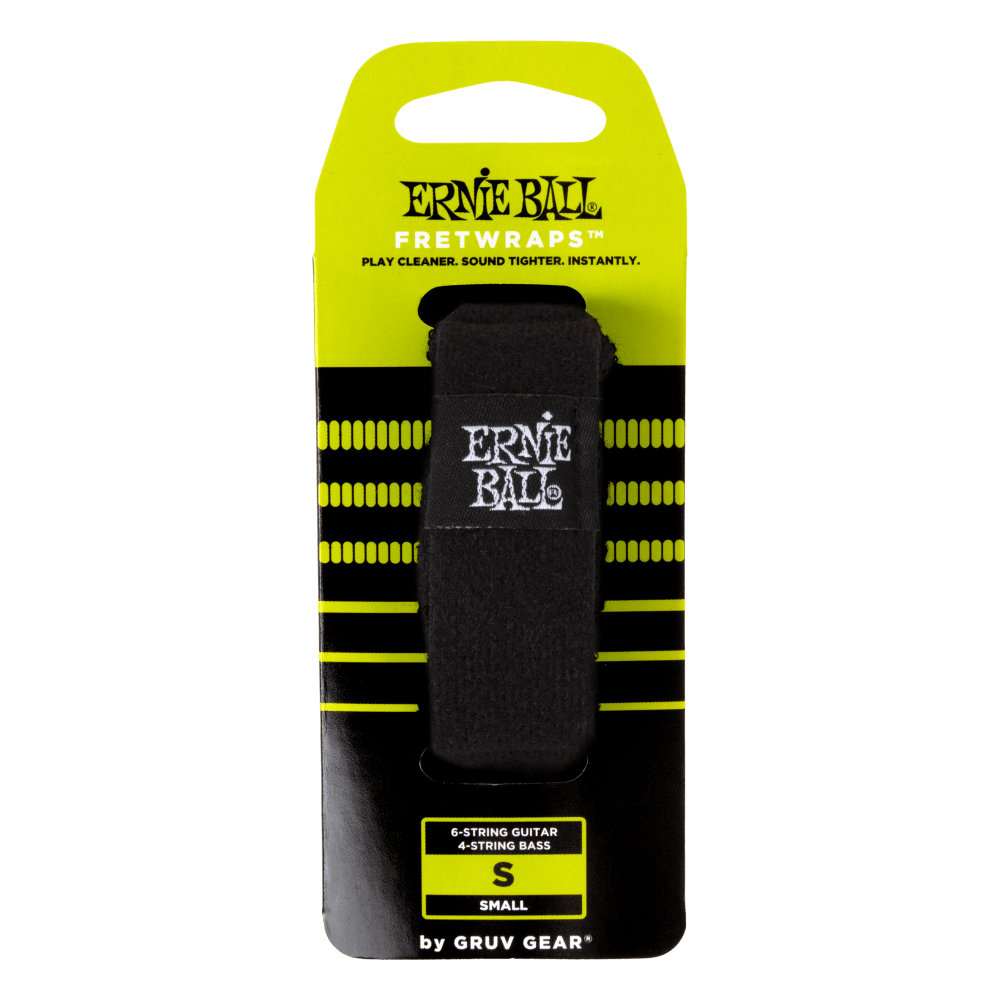
Ever noticed those little bands wrapped around the neck of a guitar while watching a guitarist shred effortlessly through intricate solos? Those are guitar dampeners—small, often overlooked accessories that can transform your playing by muting unwanted string noise. While they’ve gained popularity among technical players and online performers, they’ve also stirred up debate. Are they a helpful tool or a crutch? Let’s dive into their advantages, disadvantages, and whether they’re worth using.
Why Use a Guitar Dampener?
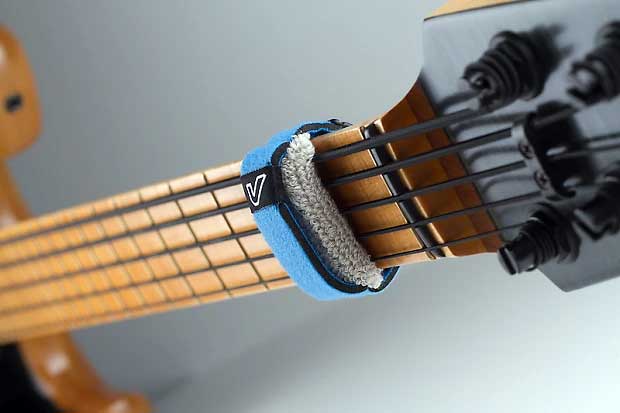
A guitar dampener is designed to mute open strings and reduce noise, especially during fast passages like tapping, sweeping, and legato runs. It’s widely used by players who want a clean, polished sound during recording or live performances. Without it, unwanted string noise can muddy up your playing, particularly when dealing with high-gain tones. Whether you’re into progressive metal or jazz fusion, this little accessory can save the day by eliminating accidental string vibrations.
Advantages of Guitar Dampeners
Guitar dampeners offer several benefits, particularly for technical players:
- Noise reduction makes your playing sound cleaner and more precise.
- They boost confidence by allowing you to focus on the complexity of your music rather than worrying about rogue string noise.
- Great for studio recording or social media content where flawless takes are crucial.
- Useful in live settings where high distortion amplifies every mistake.
Disadvantages of Guitar Dampeners
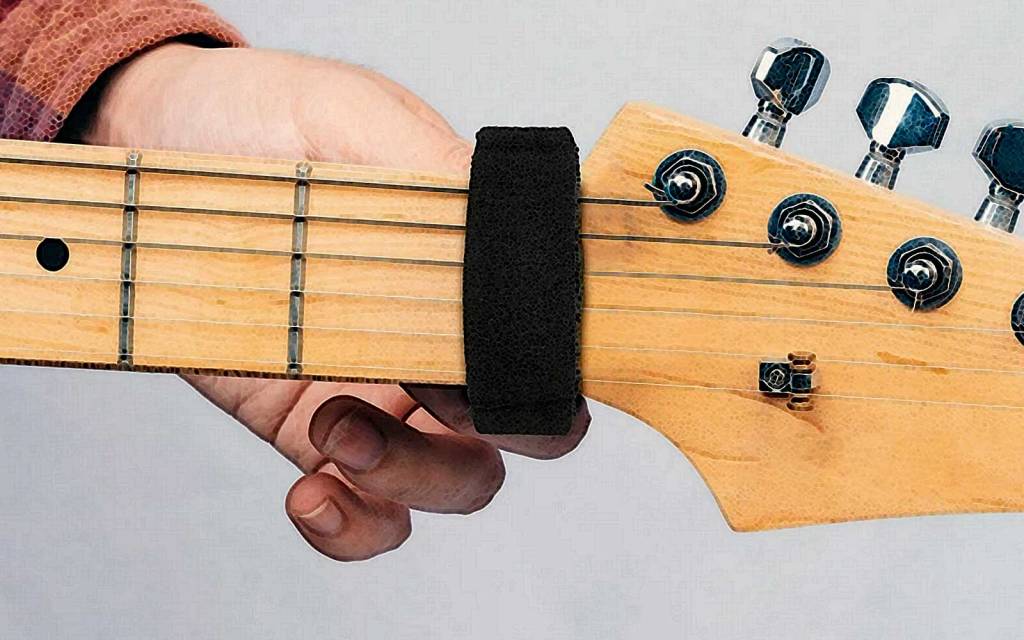
Despite their usefulness, dampeners aren’t without drawbacks:
- Over-reliance on dampeners can hinder the development of proper string muting techniques.
- They aren’t suited for all playing styles—strumming or rhythm work doesn’t benefit from their use.
- Using one might limit your versatility as a guitarist if you never learn to manage string noise manually.
Is Using a Dampener Cheating?
This question divides the guitar community. Purists often argue that relying on a dampener is akin to cutting corners, suggesting that mastering proper hand muting techniques is the hallmark of a skilled guitarist. On the other hand, many professionals see it as just another tool—like a capo or compressor pedal—that serves a specific purpose.
Ultimately, it boils down to context. If your goal is flawless recording or precision on stage, a dampener is simply a tool to enhance your performance. But if you’re still learning and developing technique, it’s essential to avoid using it as a crutch. Think of it as a training wheel—it helps at first but shouldn’t replace the fundamental skill of muting with your hands.
Should You Avoid Using a Dampener?
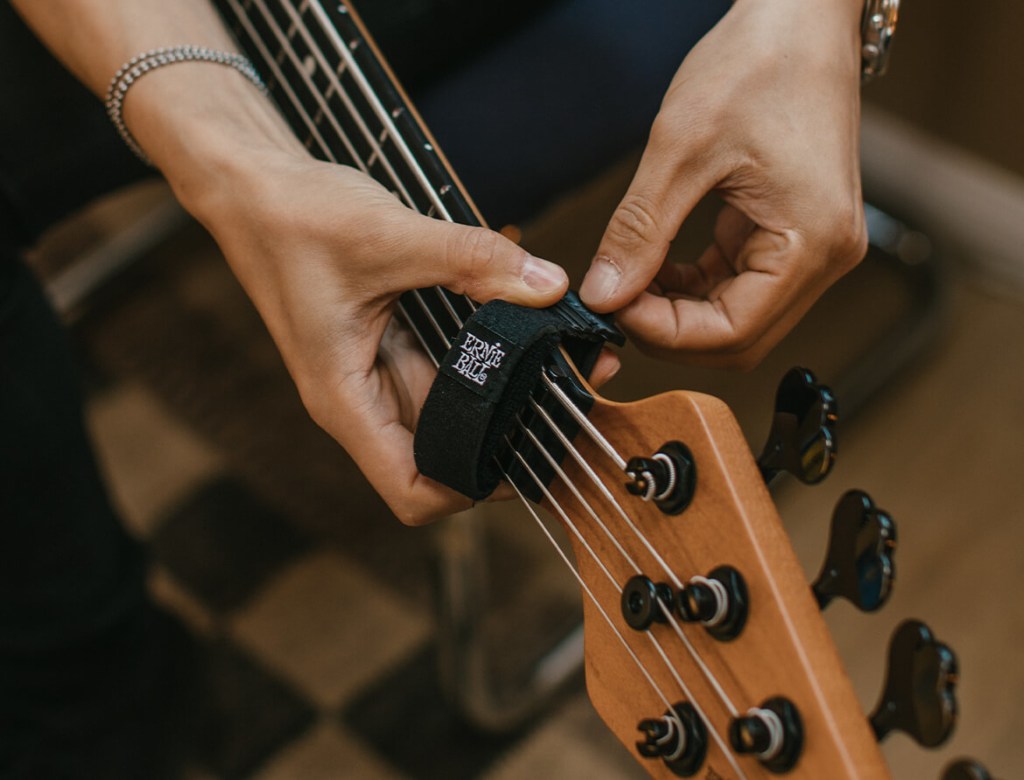
Not entirely. If you’re an advanced player looking for that extra edge in clean playing, go ahead. Just make sure you’re not dependent on it for every piece you play. The key is balance—use it when necessary but continue honing your muting skills without it.
Conclusion
Guitar dampeners can be an invaluable tool when used thoughtfully, especially for technical genres where cleanliness is crucial. However, relying too heavily on them might stunt your growth as a player. Like any accessory, it’s about how and when you use it. Master your muting technique first, then consider a dampener as a helpful addition to your toolkit. Whether it’s cheating or not depends on your perspective, but one thing’s clear—nothing beats the skill of a well-trained hand.
 oscaronguitars.com
Leave a comment