
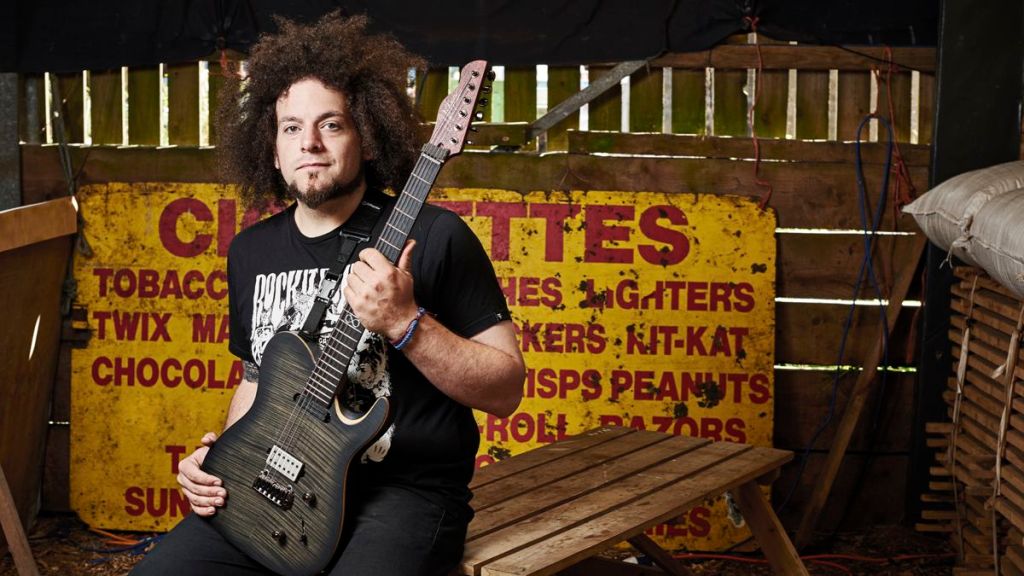
Born on May 11, 1988, in Brighton, England, Rabea Massaad stands as one of the most influential and multifaceted guitarists to emerge from the modern rock and metal ecosystem. Guitarist, songwriter, producer, educator, and digital creator, Massaad represents a new archetype of the 21st-century musician: technically elite, sonically adventurous, deeply knowledgeable in production, and natively fluent in the language of online media. His career illustrates not only personal artistic excellence but also the broader transformation of how contemporary musicians build audiences, shape sound, and influence culture.
From Early Influences to a Distinct Musical Voice
Massaad’s musical foundation was shaped early by his father’s passion for music and a listening environment that bridged classic rock, progressive experimentation, and heavy modern sounds. Like many guitarists of his generation, his formative influences spanned virtuosos such as Steve Vai and Joe Satriani, progressive metal architects like John Petrucci, and later innovators including Meshuggah and Tosin Abasi. This wide stylistic spectrum would become central to his identity: precision without sterility, heaviness without rigidity, and complexity always in service of musical intent.
By his teenage years, Massaad had already begun developing the rhythmic acuity and tonal curiosity that would later define his work. Rather than adhering strictly to traditional lead-guitar hierarchies, he gravitated toward riff-centric composition, polyrhythmic phrasing, and textural layering—elements that align him more closely with modern progressive metal composers than with classic rock soloists.
YouTube as a Launchpad, Not a Limitation
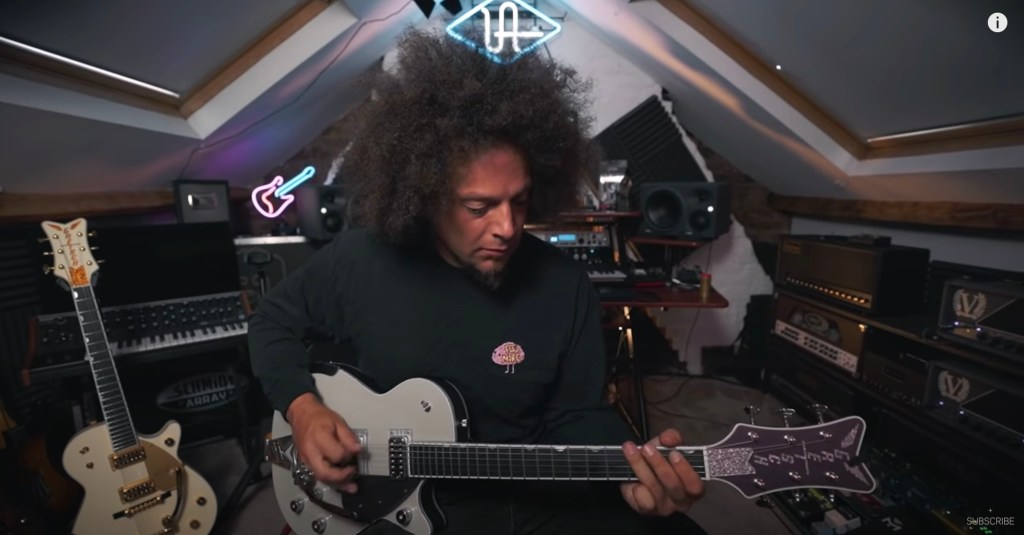
Rabea Massaad’s rise to prominence is inseparable from his early and strategic embrace of YouTube. At a time when the platform was still evolving from casual content hub to professional creative ecosystem, Massaad distinguished himself through a rare combination of elite musicianship, technical clarity, and genuine pedagogical skill. His videos—ranging from covers and original compositions to in-depth gear demonstrations and production breakdowns—resonated with a global audience of guitarists seeking substance rather than spectacle.
Crucially, Massaad avoided the trap of viral gimmickry. His content positioned the guitar not merely as an object of performance, but as a system: tone shaping, signal flow, compositional logic, and studio methodology were treated with the same seriousness as technique. This approach earned him credibility among professionals while remaining accessible to aspiring musicians, cementing his status as both influencer and authority.
Dorje and Toska: Two Faces of a Singular Vision
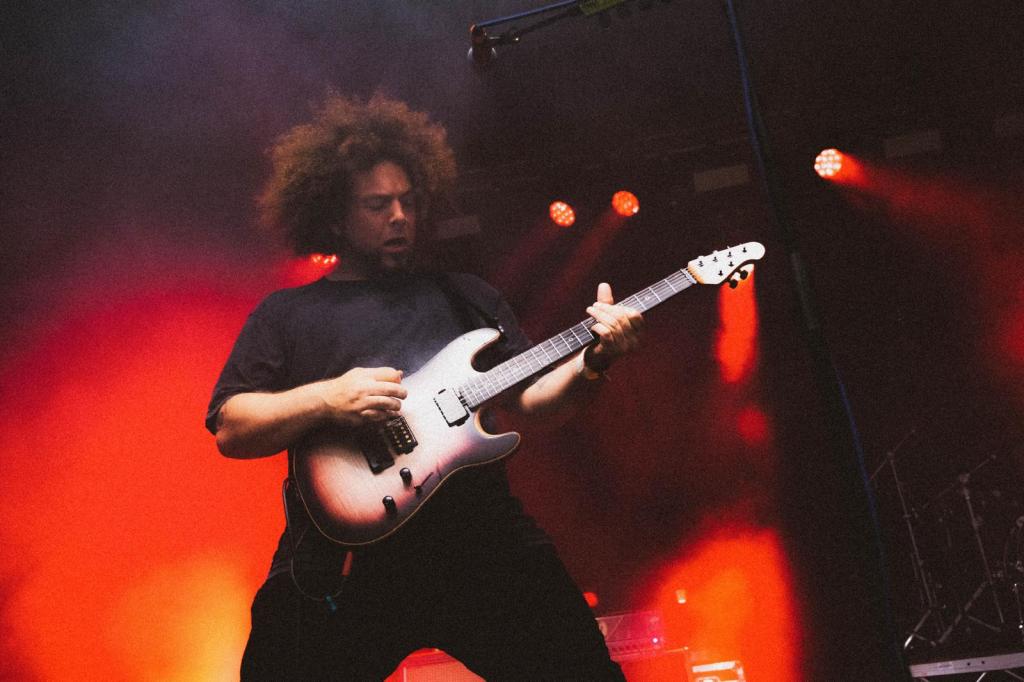
Beyond his online presence, Massaad’s artistic ambitions found full expression through his bands, most notably Dorje and Toska.
Dorje, which he co-founded, represents the heavier, more vocal-driven side of his work. The band’s music is marked by tightly interlocked rhythms, modern metal aggression, and an underlying melodic sensibility that avoids excess. Dorje’s compositions balance complexity with immediacy, showcasing Massaad’s ability to write music that is intellectually engaging without sacrificing impact.
Toska, by contrast, is instrumental and more overtly exploratory. Here, Massaad’s guitar assumes a compositional rather than front-man role, weaving dense harmonic textures, syncopated grooves, and dynamic contrasts. Albums such as Fire by the Silos highlight his command of long-form instrumental narrative, where tone, rhythm, and arrangement carry emotional weight in the absence of lyrics.
Together, these projects demonstrate Massaad’s breadth: one grounded in the visceral power of modern metal, the other in expansive, cinematic instrumental storytelling.
Signature Tracks and Musical Identity
Several compositions serve as clear markers of Massaad’s evolving artistic voice:
- “Aeromancy” (Dorje) – A defining track that merges percussive, syncopated riffing with expansive melodic arcs, illustrating his capacity to balance aggression and atmosphere.
- “Congress” (Toska) – A masterclass in instrumental composition, driven by layered guitar textures and dynamic pacing rather than overt virtuosity.
- “From Within” (Toska) – Haunting and introspective, this track emphasizes Massaad’s sensitivity to mood, space, and harmonic tension.
- “The Sickness” (Solo work) – A production-forward piece that underscores his fluency in modern metal sound design, blending weight, clarity, and cinematic ambience.
Across these works, a consistent aesthetic emerges: rhythm as architecture, tone as narrative, and technique as a means rather than an end.
Gear, Tone, and the Modern Guitar Ecosystem
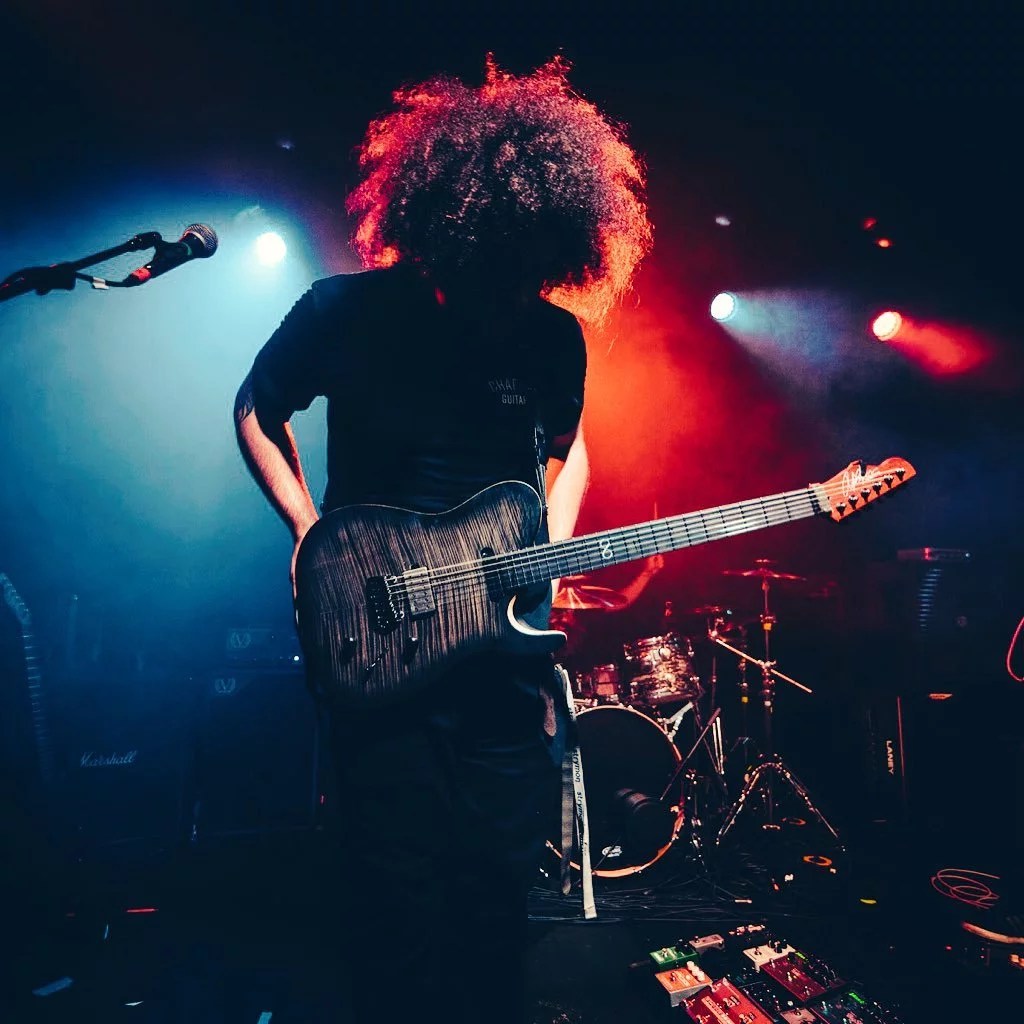
Rabea Massaad’s association with Chapman Guitars, particularly his signature ML3 BEA, reflects his practical and performance-driven approach to instrument design. The model emphasizes stability, ergonomic comfort, and tonal flexibility—qualities essential for extended-range, high-gain contexts. His frequent use of 7- and 8-string guitars aligns with his compositional emphasis on low-frequency authority and rhythmic complexity.
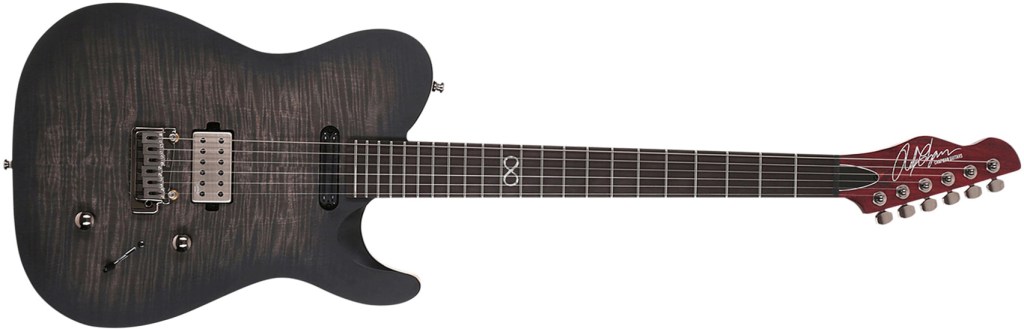
Equally important is his role as a producer and sound designer. Massaad approaches gear not fetishistically, but systemically: amplifiers, pedals, impulse responses, DAWs, and monitoring environments are all treated as interdependent components of a sonic workflow. His productions are characterized by clarity under distortion, controlled low-end response, and mixes that translate effectively across playback systems—a hallmark of professional modern metal production.
Influence, Education, and Cultural Impact
Massaad’s influence extends well beyond his recordings. As an educator—formal and informal—he has reshaped how guitarists think about tone, practice, and creative identity. His transparency regarding workflow, mistakes, and experimentation demystifies professional musicianship, offering a realistic model for sustainable artistic growth.
In a broader cultural sense, he exemplifies the post-industry musician: independent yet connected, technically elite yet communicative, rooted in tradition yet forward-looking. His career demonstrates that mastery, authenticity, and digital literacy are not opposing forces but mutually reinforcing ones.
Conclusion: An Expanding Legacy
Rabea Massaad occupies a unique position in contemporary rock and metal. He is at once a guitarist’s guitarist, a producer’s producer, and a communicator capable of bridging the gap between underground innovation and global visibility. His work continues to redefine what it means to be a modern heavy musician—one who writes, records, teaches, and evolves in public, without diluting artistic integrity.
As he continues to explore new sonic territories and creative formats, Massaad’s influence is poised not merely to endure, but to shape the next generation of musicians who see no contradiction between heaviness and intelligence, technology and emotion, precision and soul.
Bonus Track: 10 Essential Facts About Rabea Massaad
- Born in Brighton, England, on May 11, 1988.
- Developed his musical identity through progressive metal, classic rock, and modern experimental influences.
- Rose to prominence through YouTube with a focus on substance-driven guitar and production content.
- Co-founder of the progressive metal band Dorje.
- Core member of the instrumental project Toska.
- Known for extended-range guitars and rhythm-focused composition.
- Signature artist with Chapman Guitars (ML3 BEA).
- Highly regarded producer with a modern, clarity-driven metal aesthetic.
- Influential educator in guitar tone, workflow, and creative practice.
- Represents a defining model of the contemporary, digitally fluent rock musician.

 oscaronguitars.com
Leave a comment