

After spending considerable time reviewing the impressive Fender Player II Stratocaster Modified, I was genuinely struck by how much value and capability Fender managed to pack into that instrument. It felt like a guitar that needed no tinkering — a ready-to-play workhorse. I was so impressed that I decided to try its sibling, the Player II Telecaster Modified, and wow — in some respects, it turned out to be even better than the Strat.
Imagine buying a Telecaster that already includes most of the upgrades players usually add themselves. That’s exactly the idea behind the Fender Player II Telecaster Modified. Fender has taken the beloved workhorse Tele and built it with performance-focused enhancements straight from the factory — so you can skip the modding phase and get straight to playing.
Headstock and Tuning Stability
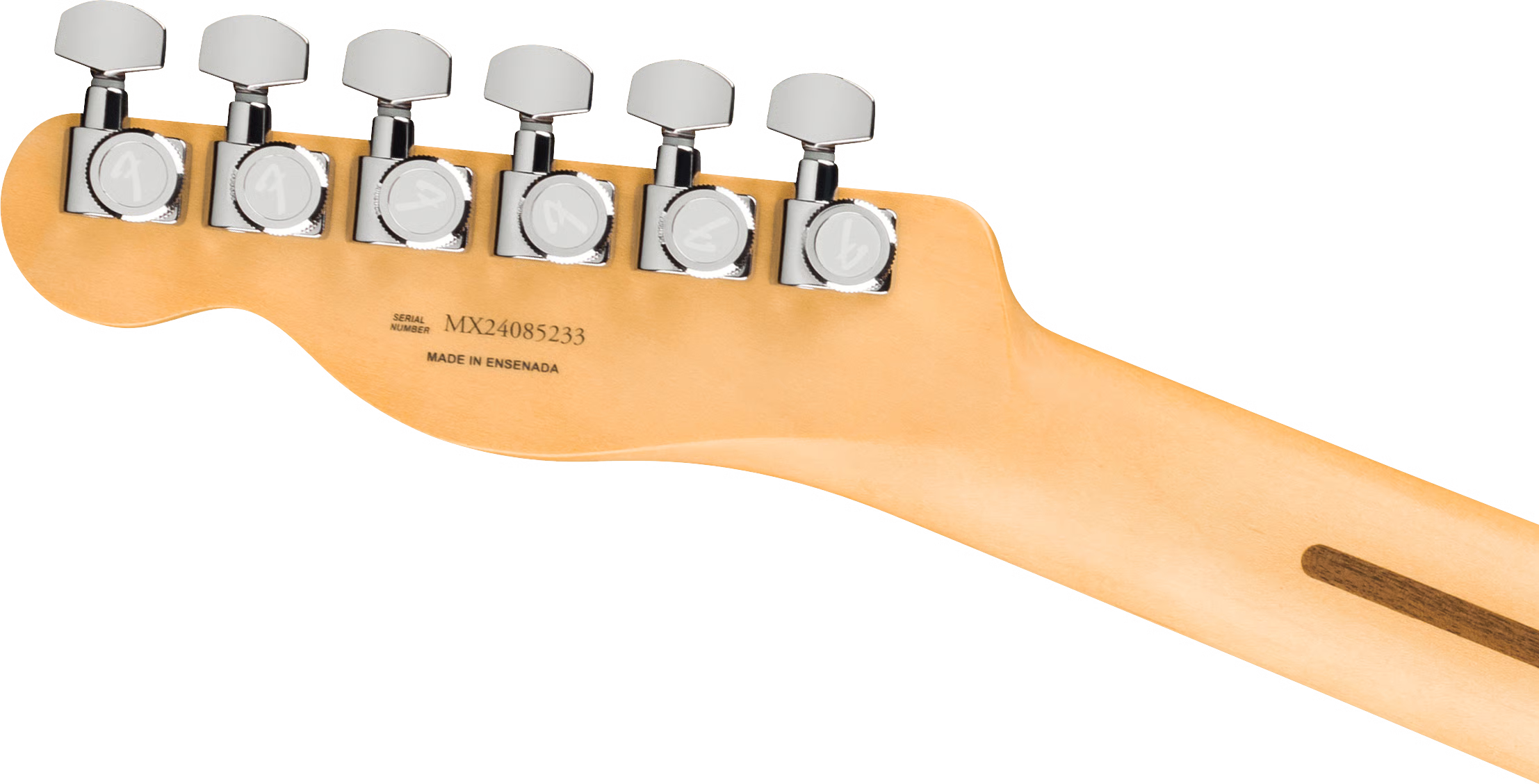
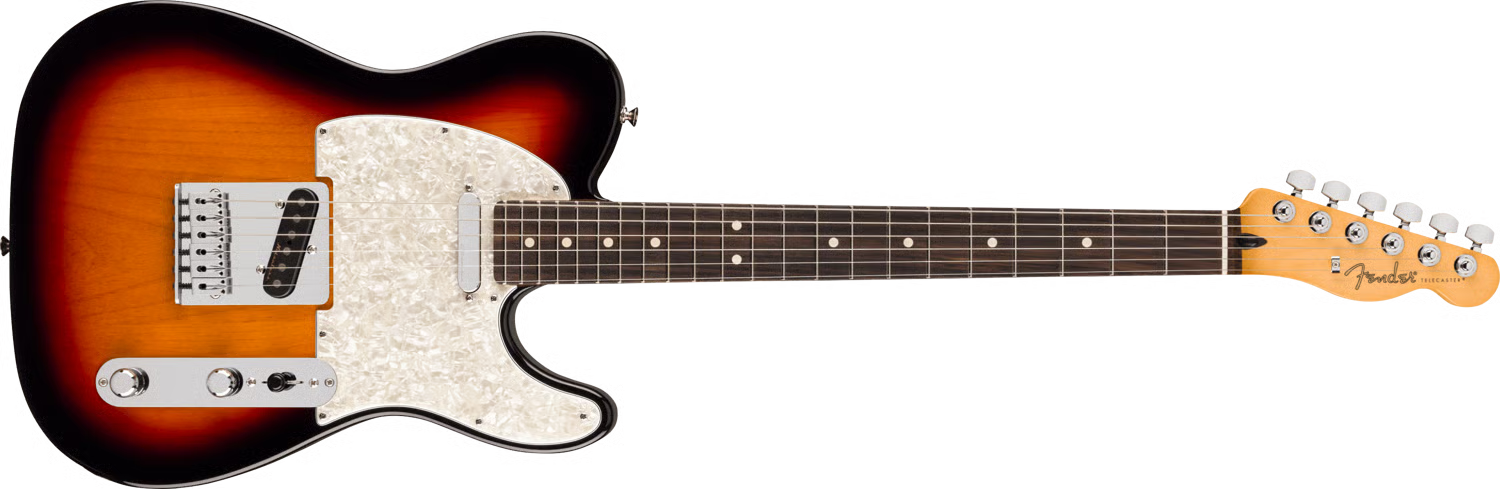
At first glance, the Player II Telecaster Modified looks every bit like a classic Tele. Yet beneath that familiar headstock lies a host of thoughtful modern upgrades. The locking tuners are one of the most practical additions, speeding up string changes while dramatically improving tuning stability. A Graph Tech TUSQ nut and modern low-friction string tree further reduce resistance at the headstock, ensuring that the strings glide smoothly and stay perfectly in tune. Combined with a six-saddle bridge featuring block brass saddles, this setup delivers precise intonation and a balanced, resonant feel.
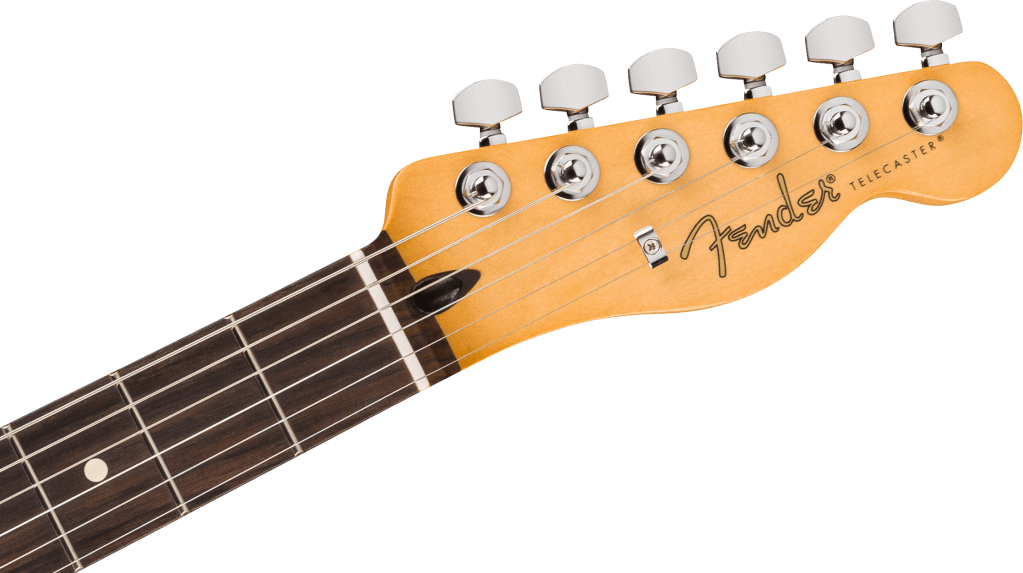
While you could theoretically replace the string tree with a TUSQ version, it’s really unnecessary here. Since the Telecaster lacks a floating tremolo system, tuning stability is already exceptional — the stock setup is rock solid.
Neck Feel and Playability
The neck sports Fender’s familiar Modern “C” profile, a 9.5-inch radius, and 22 medium-jumbo frets — a combination that feels instantly comfortable and familiar. The rolled fingerboard edges and satin urethane back give it that effortlessly “broken-in” feel right out of the case. Meanwhile, the glossy headstock face preserves a touch of classic Fender elegance, while the satin finish on the back ensures smooth, friction-free movement up and down the neck.

To me, the neck feels invisible in the best possible way — it simply disappears as I play. Whether I’m laying down steady rhythm parts or sliding into clean, melodic leads, it stays fast, fluid, and comfortable. The feel strikes the perfect balance between vintage heft and modern speed — not as chunky as an old-school Tele neck, yet not as thin or clinical as a shredder’s profile.
Body and Finish
The Player II Telecaster Modified’s alder body preserves the timeless single-cut Telecaster silhouette, available in several elegant finishes under a high-gloss polyester coat. Built in Fender’s Ensenada, Mexico facility, this model showcases the factory’s impressive consistency and attention to detail. It even comes with a gig bag, a thoughtful addition that enhances its overall value.
In hand, the guitar feels solid and reassuringly balanced — light enough for long sets, yet substantial enough to deliver great sustain and resonance. Every contour and joint is neatly executed, the finish is flawless, and the fretwork is clean and precise. Honestly, credit where it’s due: the Ensenada team has managed to craft a guitar of this quality and feel without pushing it into “second-mortgage” territory.
Pickups and Electronics
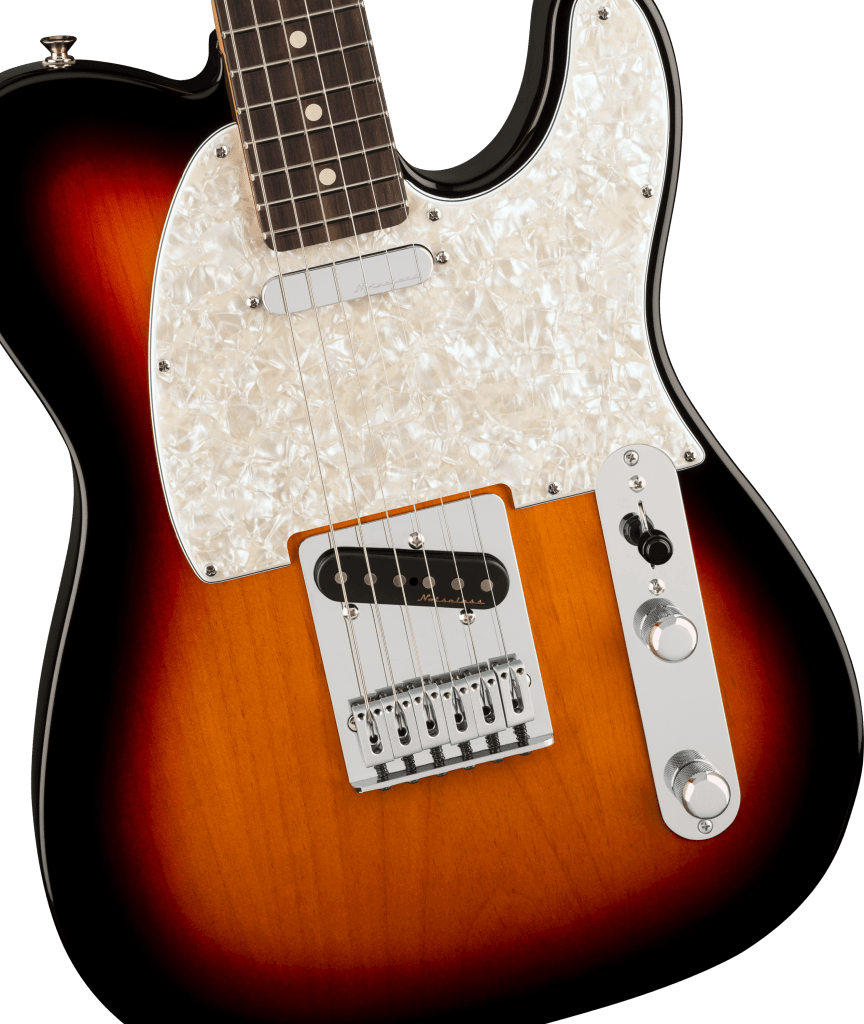
This is where the “Modified” truly earns its name. Fender equipped this model with a set of Player II Noiseless Tele single-coil pickups, delivering authentic Tele twang and clarity without the classic 60-cycle hum. These pickups are articulate, punchy, and surprisingly dynamic under both clean and driven tones.
The guitar’s push-pull tone control adds serious versatility: in its normal position, the pickups run in parallel for that familiar Tele sparkle and bite. Pull it up, and you get series wiring, giving a thicker, louder, more mid-forward sound reminiscent of a humbucker. Add in the treble-bleed circuit on the volume pot — which keeps the highs intact as you roll down the volume — and you get a range of usable, musical tones without any noise.
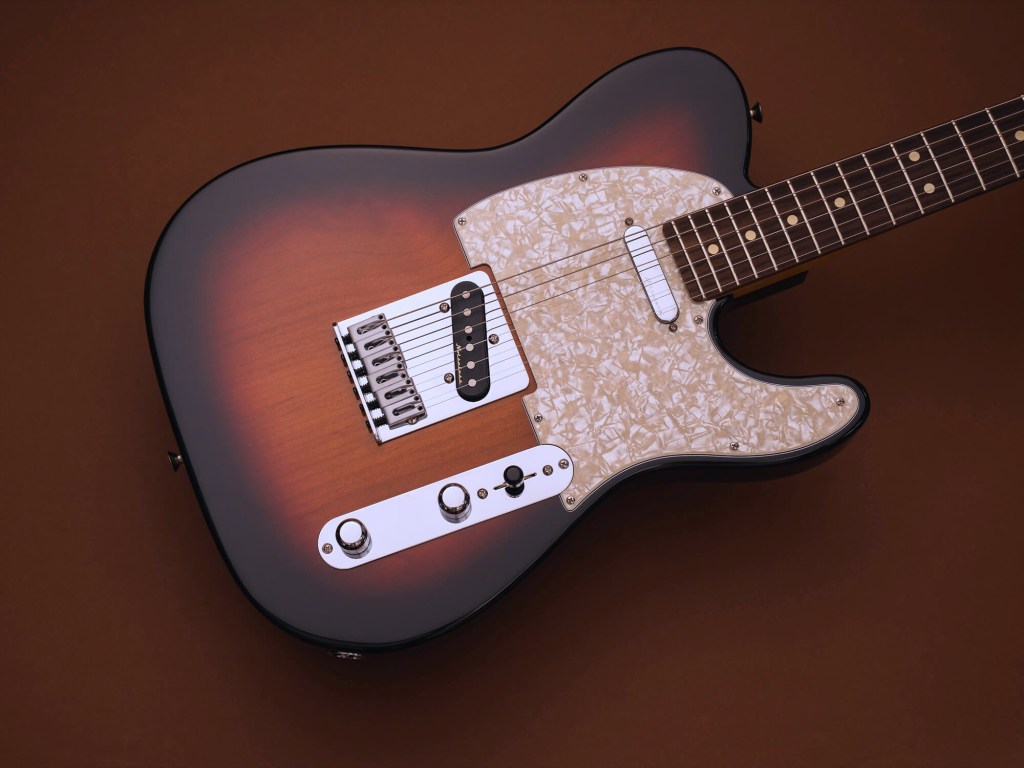
From crisp funk rhythms to bluesy neck leads and gritty overdriven rock riffs, the tonal range here is surprisingly broad for a two-pickup guitar. The noiseless design makes it ideal for both studio recording and live use, even under harsh lighting or high-gain conditions.
The dome-shaped control knobs make engaging the series wiring effortless — a welcome improvement over the Stratocaster’s push-pull setup, which can feel awkward to operate mid-performance. That said, I don’t use the series mode all that often, simply because the standard three-way switch already delivers the tones I reach for most. Between the bridge, neck, and middle positions, the Telecaster covers all the versatility I actually need.
It’s also worth mentioning that there’s an S–H pickup configuration version available, offering a true humbucker sound in the neck position. The push-pull control splits the humbucker for single-coil tones, making it a versatile option. I chose not to go that route since I already own several humbucker-equipped guitars and was chasing that classic Tele sound. But if you’re after one instrument that can truly do it all, the S–H version is definitely worth considering.
Bridge, Sustain, and Feel
The six-saddle bridge is one of Fender’s smartest modern upgrades. While vintage Teles often feature three brass saddles that can make perfect intonation a challenge, this design allows for precise adjustment of each string while still preserving that unmistakable Tele tone. The block brass saddles also enhance sustain and add a slightly warmer, rounder attack compared to traditional steel saddles.
Combined with the solid hardware and locking tuners, tuning stability is outstanding. Even after aggressive bends or expressive playing, the guitar stays remarkably in tune.
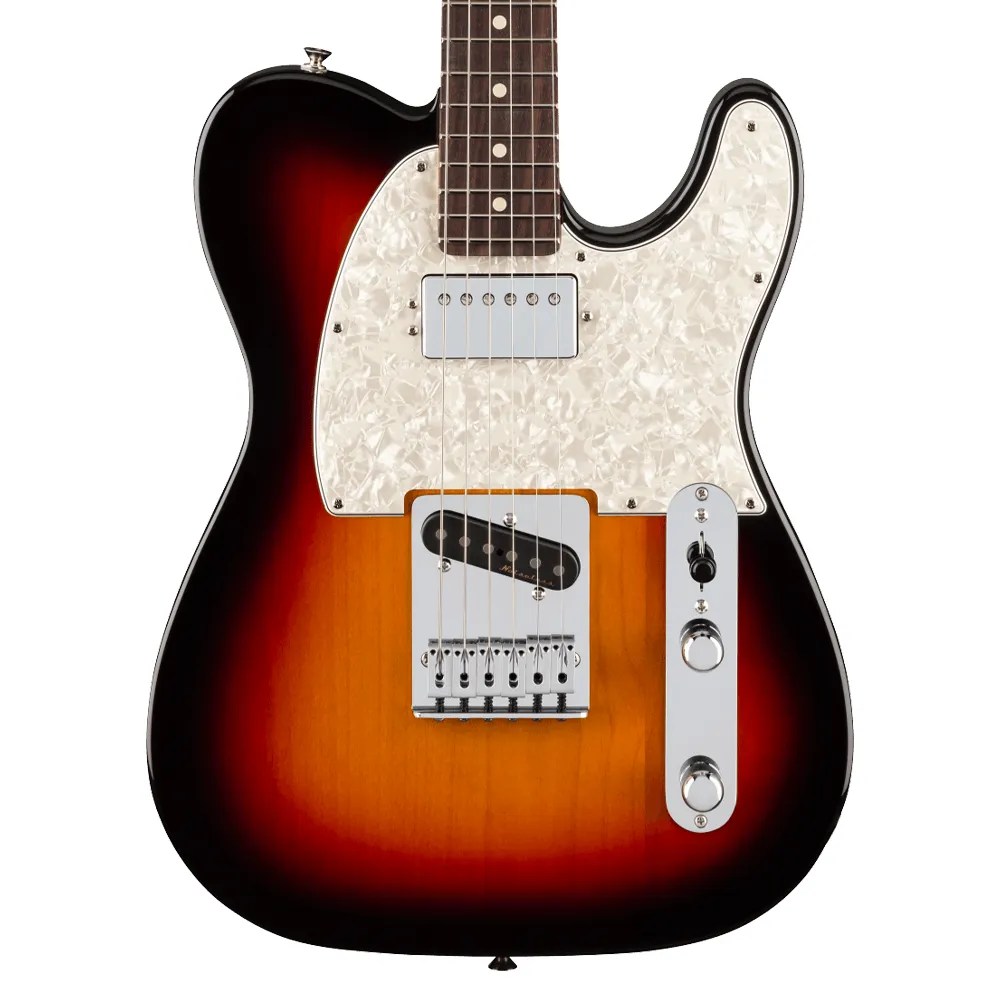
Sure, this setup strays a bit from the “classic” look, but it’s a small price to pay for such a meaningful functional improvement. After all, while the Telecaster has remained largely unchanged for over 75 years, this modern bridge represents one of those rare upgrades that genuinely enhances performance — prioritizing rock-solid tuning over pure nostalgia.
Sound and Tone
In standard parallel mode, you get that classic Telecaster chime — bright, percussive, and rich in harmonics. The bridge pickup has all the bite and definition you’d expect, while the neck pickup provides smooth, round warmth for jazzy cleans or soulful leads.
Engage the series mode via the push-pull tone knob, and the character changes noticeably: the output jumps, the mids fatten up, and the overall tone feels fuller and more muscular. It’s perfect for rhythm work in rock, or for solos that need more punch.
This isn’t a guitar for high-gain metal, but for everything else — country, funk, indie, blues, pop, rock — it shines. And the noiseless system means you can record or perform anywhere without hum or interference.
Price and Value
At around $1,049.99 USD, the Player II Telecaster Modified is not a budget guitar — but it’s an exceptional value. When you consider the built-in upgrades — noiseless pickups, locking tuners, TUSQ nut, modern six-saddle bridge, push-pull electronics, treble-bleed, and gig bag — you realize this guitar includes nearly everything players often spend hundreds more to add later.
It rivals guitars that cost significantly more, offering premium-level reliability and tone at a mid-tier price.
Pros and Cons
Pros
- Noiseless pickups with authentic Tele tone and no hum
- Push-pull series wiring adds real tonal versatility
- Locking tuners and TUSQ nut for stable tuning
- Six-saddle brass bridge with precise intonation and sustain
- Excellent build quality from Fender’s Ensenada facility
- Deluxe gig bag included
Cons
- Players who prefer the classic three-saddle vintage bridge may miss its feel
- Series mode thickens tone but won’t fully replicate a true humbucker
- Slightly higher price point than the standard Player II Telecaster
Final Thoughts
The Fender Player II Telecaster Modified embodies everything players have always loved about the Telecaster — its simplicity, clarity, and timeless character — while enhancing it with thoughtful, genuinely useful modern upgrades.
For me, it actually outshined the Stratocaster version in several ways. That unmistakable Tele tone, the straightforward design, the silky rosewood fretboard, and the far more intuitive push-pull control for the alternate wiring all come together perfectly. It’s a guitar that feels equally at home in the studio or on stage, effortlessly moving from crisp country twang to soulful blues leads.
And speaking of the blues — that’s where it completely won me over. Since this Tele arrived, I just can’t stop playing those expressive solos that come alive with such warmth and character. The second switch position, in particular, cuts through the mix with sparkle and body, delivering that sweet, rounded tone without the harsh edge of the bridge pickup. It’s pure blues heaven — a sound that takes me right back to where my playing journey began.
If you’re after a Tele that’s ready for anything — no mods, no compromises, just pure tone and reliability — the Player II Telecaster Modified could very well be the one.
 oscaronguitars.com
Leave a comment