
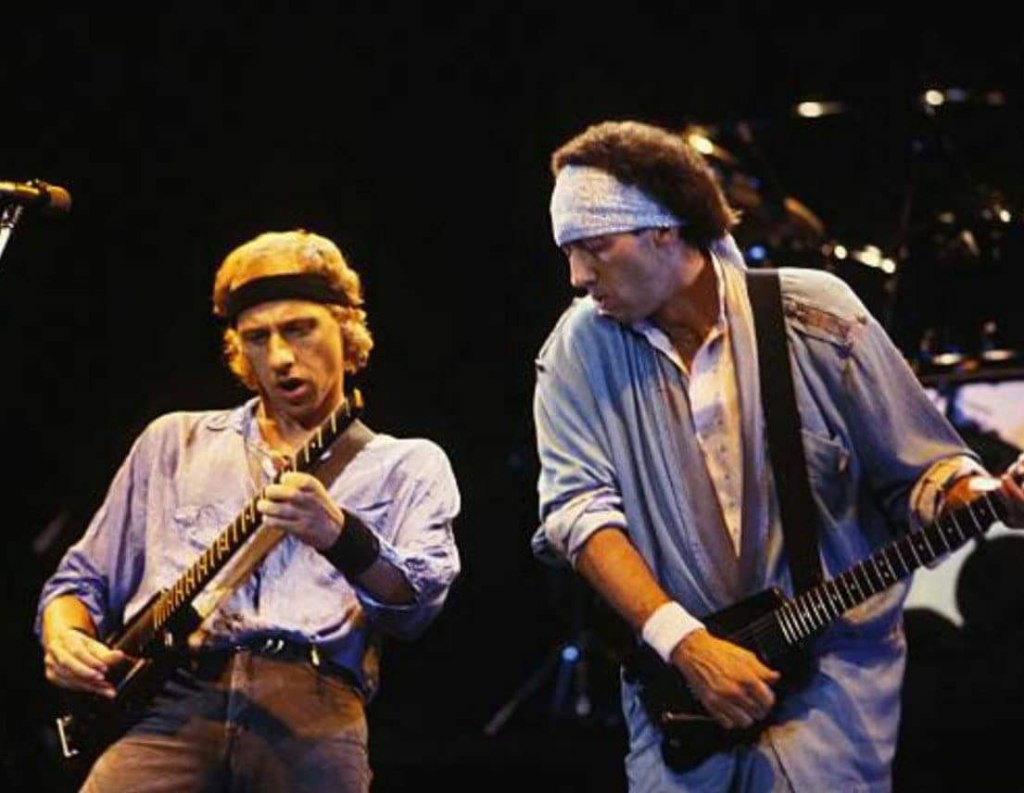
Welcome to Headless Revolution, a new section in my guitar blog dedicated to exploring the fascinating world of headless guitars. There’s so much to unpack about these groundbreaking instruments that I decided to take a deep dive into their many aspects instead of condensing everything into a single article.
In this installment, we’ll trace the invention of headless guitars, their early pioneers, the impact they’ve had on the guitar world, and why they didn’t quite become mainstream despite their innovative design.
The Invention of Headless Guitars
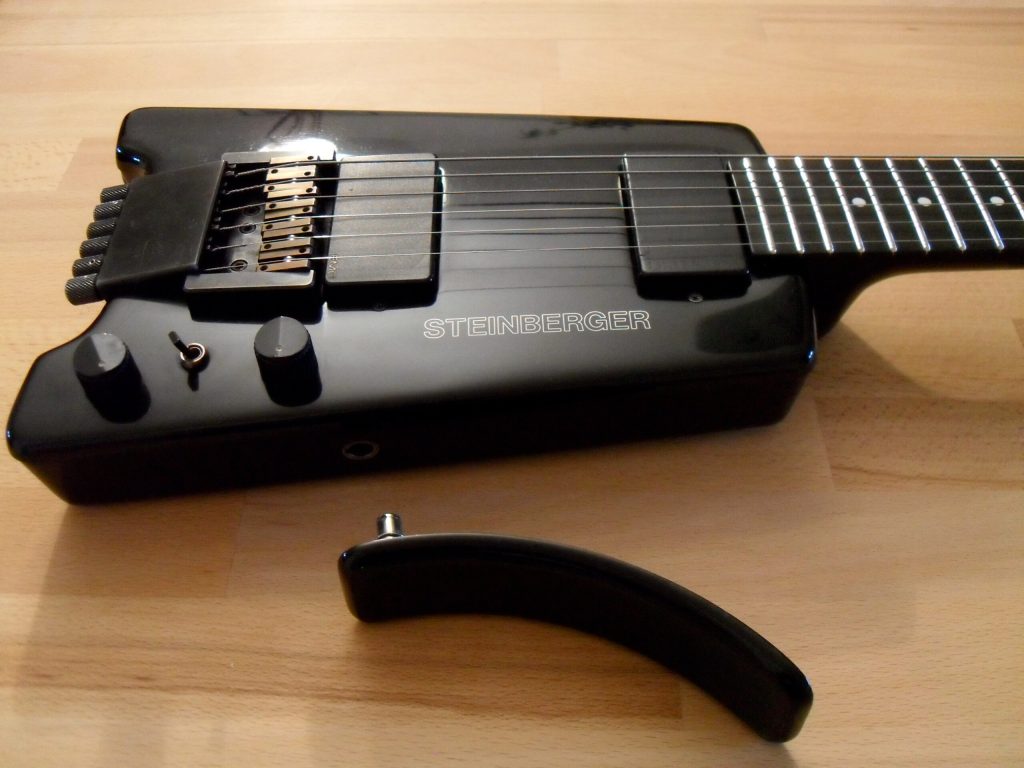
The concept of headless guitars was a bold departure from the centuries-old tradition of headstock-based designs. In 1980, Ned Steinberger introduced the world to the Steinberger L2 bass, the first commercially successful headless instrument. This minimalist and ergonomic design eliminated the headstock entirely, relocating the tuning system to the bridge.

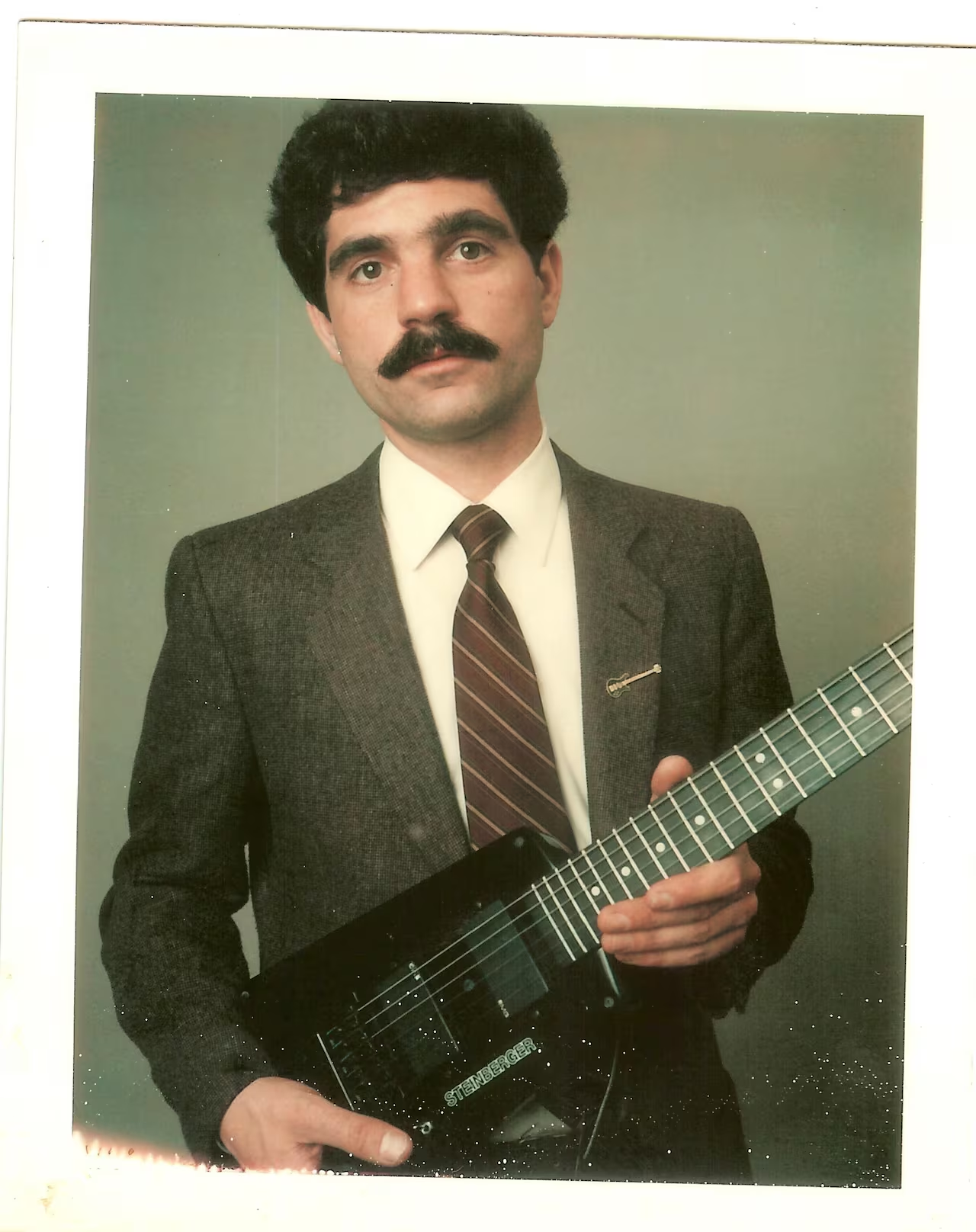
Steinberger’s approach wasn’t just about aesthetics; it was practical. Without a headstock, the instrument was shorter, lighter, and better balanced. Additionally, the tuning system provided unmatched stability, especially for touring musicians. The Steinberger GL2, a six-string electric guitar, soon followed, bringing these benefits to guitar players.
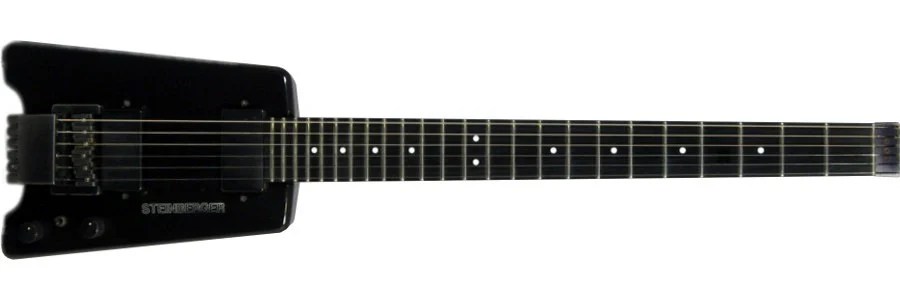
These instruments, made from graphite composite materials, were futuristic in both look and functionality. Their sleek, modern designs quickly became synonymous with innovation in the early 1980s.

Early Brands and Pioneers
While Steinberger led the charge, other brands also ventured into the headless guitar space:
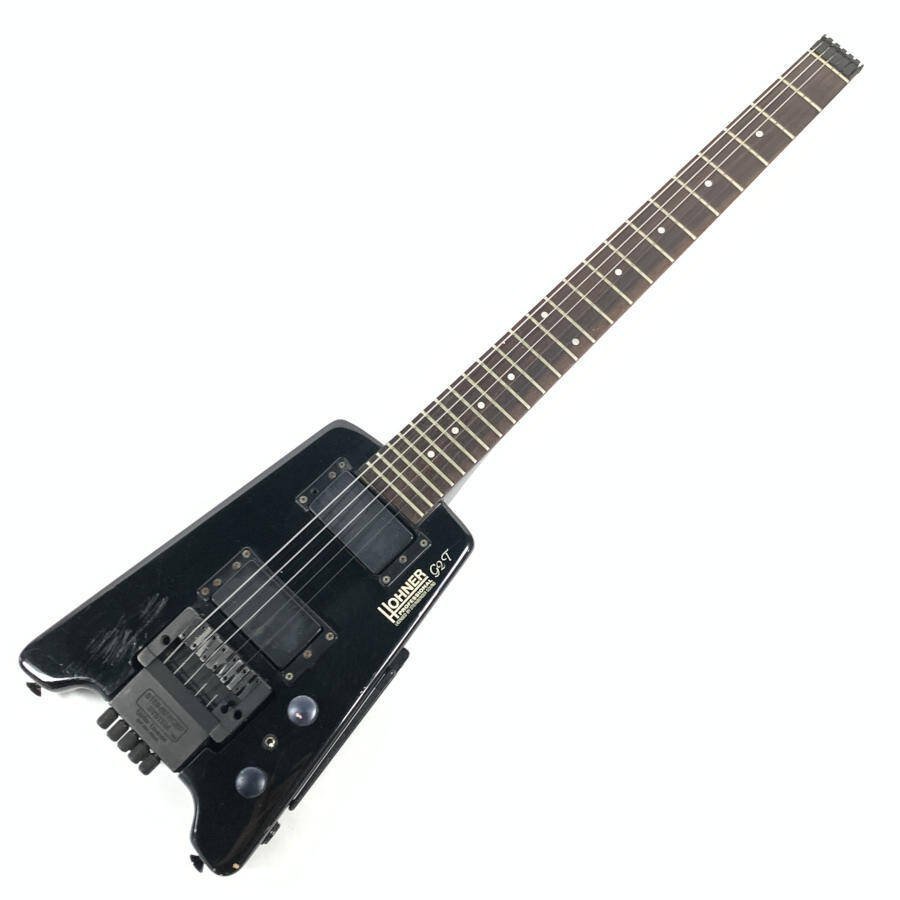
Hohner: Partnering with Steinberger, Hohner produced the G2T, an affordable headless guitar that maintained many of Steinberger’s key innovations.
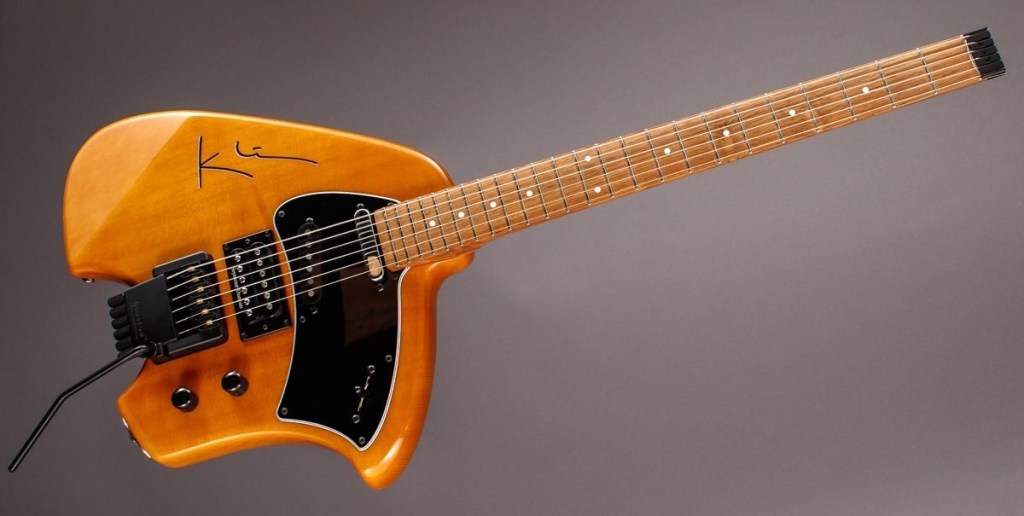
Klein Guitars: Lorenzo Klein focused on ergonomic enhancements, creating custom headless guitars for players seeking comfort and functionality.
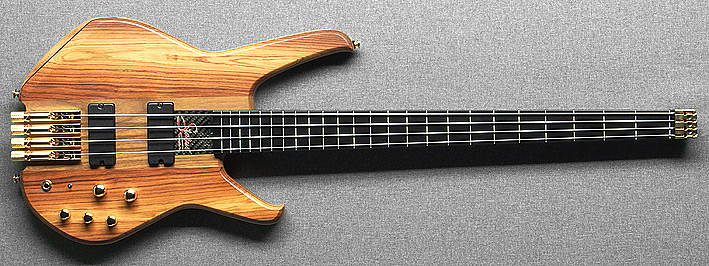
Status Graphite: Specializing in bass guitars, Status Graphite adopted headless designs using composite materials for durability and tone consistency.
Washburn Bantam: Washburn entered the market with headless models like the Bantam series, aimed at musicians who wanted something more compact and modern.

Impact on the Guitar World
Headless guitars made an immediate impact by challenging the way musicians thought about instrument design. Artists like Eddie Van Halen, David Gilmour, David Bowie and Mark Knopfler embraced these futuristic instruments, which became symbols of the progressive music scene in the 1980s.
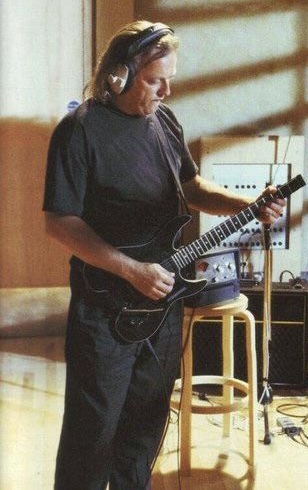

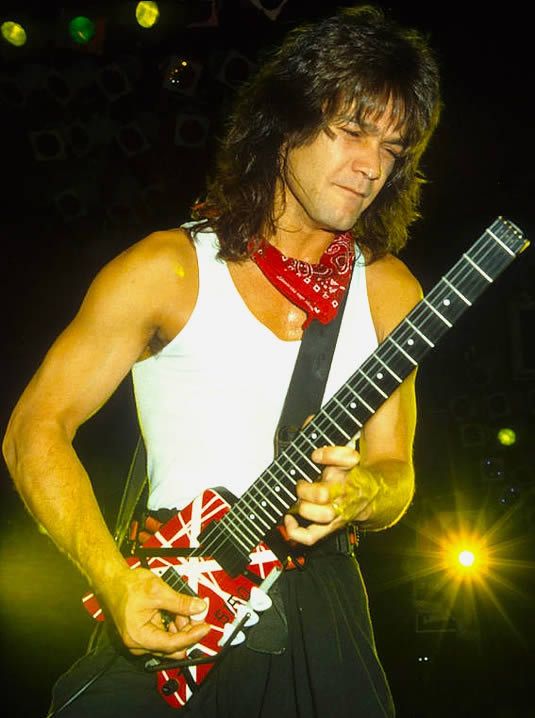
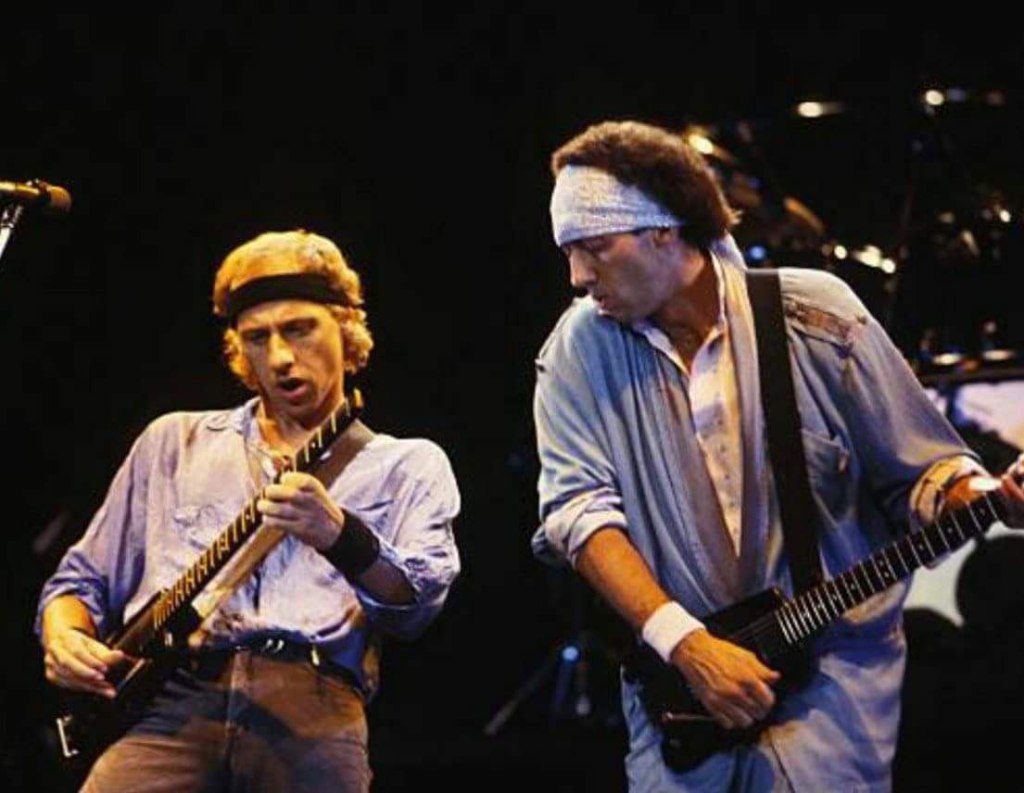
These guitars also found favor in niche markets like jazz fusion and progressive rock, where precision and innovation were highly valued. The ergonomic design appealed to players looking for comfort during long sessions, while the compact size made them ideal for travel.
Despite their limited mainstream success, headless guitars laid the foundation for innovations in tuning stability, lightweight materials, and ergonomic design that continue to influence modern instrument manufacturing.
Why Didn’t Headless Guitars Go Mainstream?
Despite their groundbreaking design, headless guitars faced several hurdles that kept them from dominating the market:
- Aesthetic Divide: The absence of a headstock was too radical for many traditionalists who valued the classic guitar silhouette.
- Niche Appeal: While popular among experimental and progressive musicians, headless guitars struggled to gain traction in mainstream genres like pop and country.
- High Costs: Early headless models, particularly Steinbergers, were expensive due to their advanced materials and engineering, limiting accessibility for average players.
- Limited Marketing: Compared to traditional guitar brands like Fender and Gibson, headless manufacturers lacked the marketing reach to establish widespread recognition.
Conclusion
Headless guitars are a testament to the boldness of innovation in the guitar world. Their invention and adoption by pioneering artists forever changed the way we think about instrument design. While they may not have become mainstream, their influence is undeniable, inspiring ergonomic advancements and fresh approaches to guitar craftsmanship.
This is just the beginning of our journey through the Headless Revolution. Stay tuned for the next article, where we’ll explore the resurgence of headless guitars in today’s market.
 oscaronguitars.com
Leave a comment